




Galarian Darmanitan


Anger has reignited its atrophied flame sac. This Pokémon spews fire everywhere as it rampages indiscriminately.

| Supertype | Pokémon |
|---|---|
| Subtype | Stage 1 |
| HP | 140 |
| Types | Fire |
| Attack | Headbutt |
| Attack cost | Colorless |
| Artist | Misa Tsutsui |
| Rarity | Rare |
| Pokédex | 555 |
| Evolves from | Galarian Darumaka |
Vendor Information
- Store Name: DutchGem
- Vendor: DutchGem
-
Address:
gekkestraat
179
2345GT Utrecht

Shining Legends
The older it gets, the longer it grows. At night, it wraps its long body around tree branches to rest.

Fates Collide
This attack does 30 more damage for each damage counter on your opponent’s Active Pokémon.
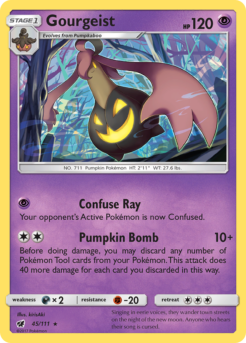
Crimson Invasion
Singing in eerie voices, they wander town streets on the night of the new moon. Anyone who hears their song is cursed.


Lost Origin
Porygon-Z had a program installed to allow it to move between dimensions, but the program also caused instability in Porygon-Z's behavior.

Base
It spits out poisonpowder to immobilize the enemy, and then finishes the enemy with a spray of acid.
Produtos Relacionados
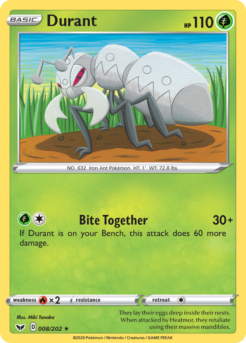
Sword & Shield
They lay their eggs deep inside their nests. When attacked by Heatmor, they retaliate using their massive mandibles.
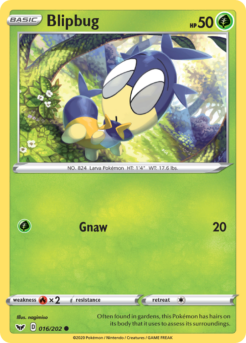
Sword & Shield
Often found in gardens, this Pokémon has hairs on its body that it uses to assess its surroundings.

Sword & Shield
By drumming, it taps into the power of its special tree stump. The roots of the stump follow its direction in battle.

Sword & Shield
As it grows inside its shell, it uses its psychic abilities to monitor the outside world and prepare for evolution.

Sword & Shield
There's a hole in its tail that allows it to draw in the air it needs to keep its fire burning. If the hole gets blocked, this Pokémon will fall ill.

Sword & Shield
The faster a Thwackey can beat out a rhythm with its two sticks, the more respect it wins from its peers.

Sword & Shield
When it uses its special stick to strike up a beat, the sound waves produced carry revitalizing energy to the plants and flowers in the area.
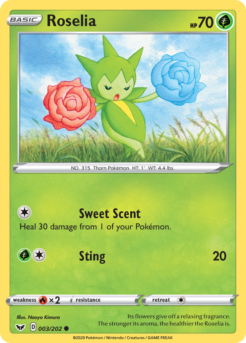
Sword & Shield
Its flowers give off a relaxing fragrance. The stronger its aroma, the healthier the Roselia is.