



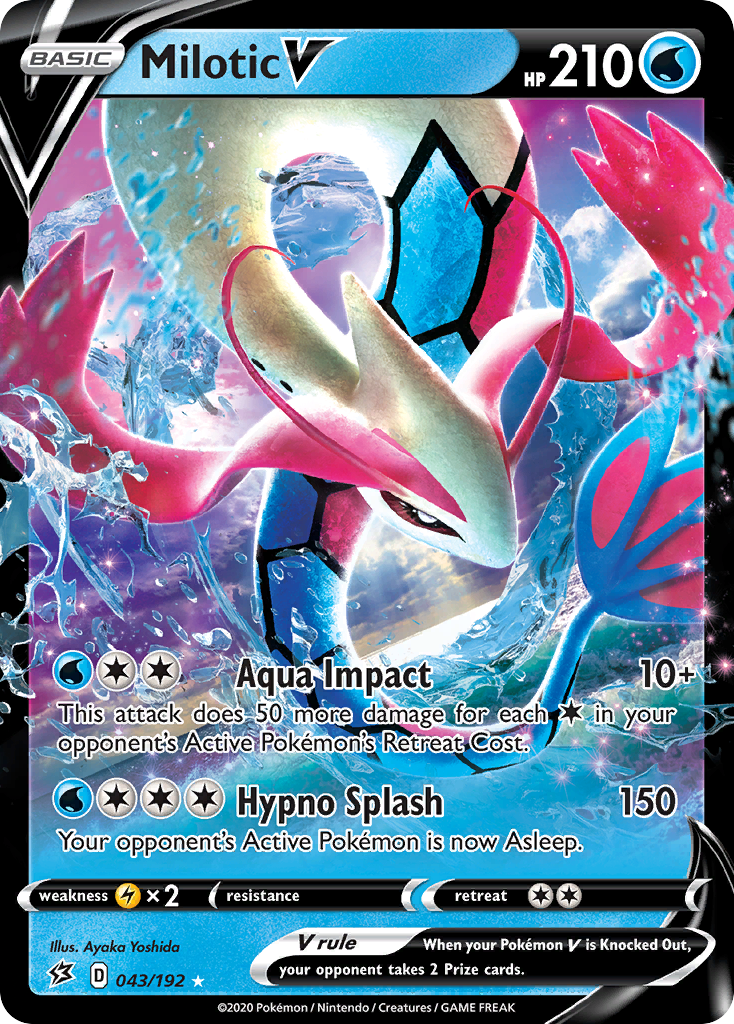
This attack does 50 more damage for each Colorless in your opponent’s Active Pokémon’s Retreat Cost.
| Supertype | Pokémon |
|---|---|
| Subtype | Basic |
| HP | 210 |
| Types | Water |
| Attack | Aqua Impact |
| Attack cost | Water |
| Artist | Ayaka Yoshida |
| Rarity | Rare Holo V |
| Pokédex | 350 |
Vendor Information
- Store Name: DutchGem
- Vendor: DutchGem
-
Address:
gekkestraat
179
2345GT Utrecht
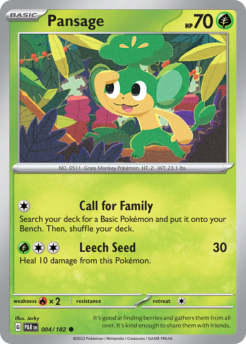
Paradox Rift
It's good at finding berries and gathers them from all over. It's kind enough to share them with friends.
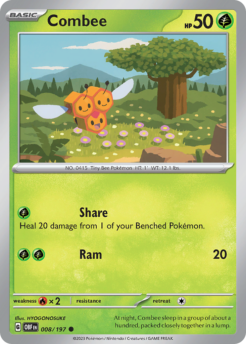
Obsidian Flames
At night, Combee sleep in a group of about a hundred, packed closely together in a lump.
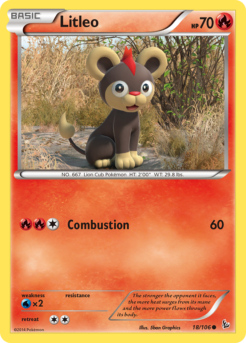
Flashfire
The stronger the opponent it faces, the more heat surges from its mane and the more power flows through its body.
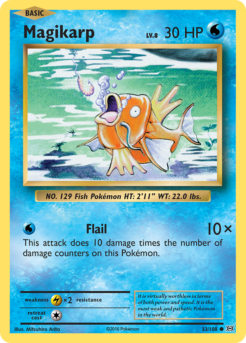
Evolutions
It is virtually worthless in terms of both power and speed. It is the most weak and pathetic Pokémon in the world.
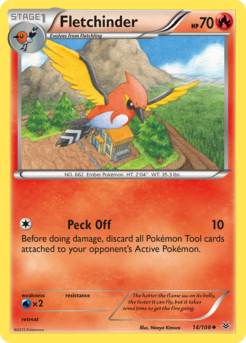
Roaring Skies
The hotter the flame sac on its belly, the faster it can fly, but it takes some time to get the fire going.
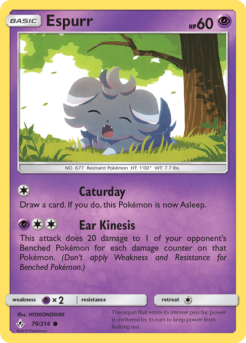
Sun & Moon
The organ that emits its intense psychic power is sheltered by its ears to keep power from leaking out.