



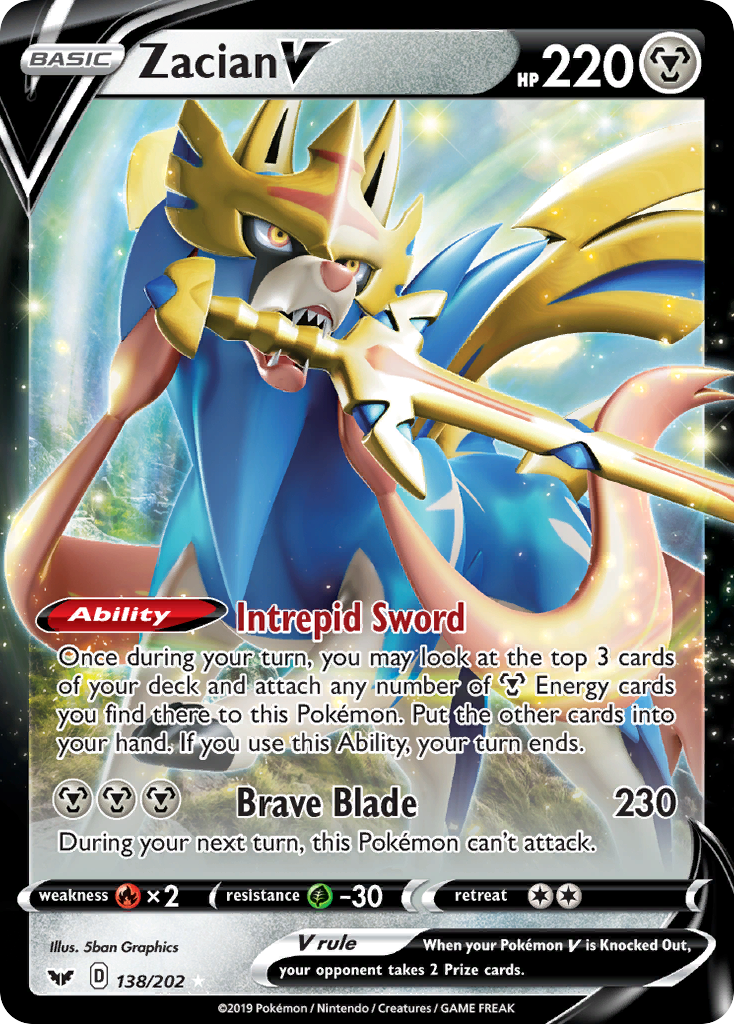
During your next turn, this Pokémon can’t attack.
| Supertype | Pokémon |
|---|---|
| Subtype | Basic |
| HP | 220 |
| Types | Metal |
| Attack | Brave Blade |
| Attack cost | Metal |
| Artist | 5ban Graphics |
| Rarity | Rare Holo V |
| Pokédex | 888 |
Vendor Information
- Store Name: DutchGem
- Vendor: DutchGem
-
Address:
gekkestraat
179
2345GT Utrecht
Sun & Moon
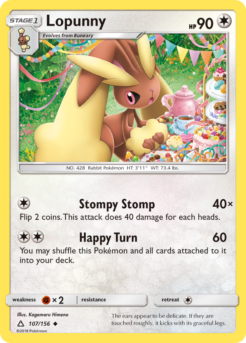
The ears appear to be delicate. If they are touched roughly, it kicks with its graceful legs.
Scarlet & Violet
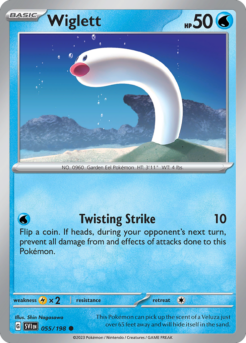
This Pokémon can pick up the scent of a Veluza just over 65 feet away and will hide itself in the sand.
Evolving Skies
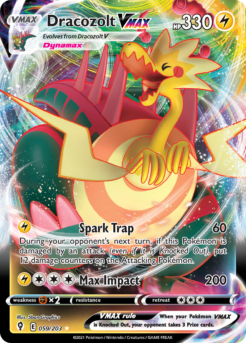
During your opponent’s next turn, if this Pokémon is damaged by an attack (even if it is Knocked Out), put 12 damage counters on the Attacking Pokémon.
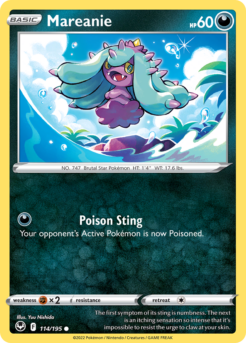
Silver Tempest
The first symptom of its sting is numbness. The next is an itching sensation so intense that it's impossible to resist the urge to claw at your skin.
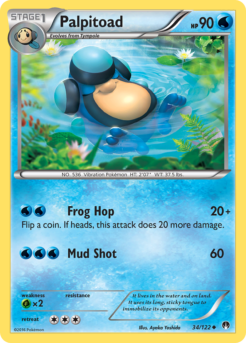
BREAKpoint
It lives in the water and on land. It uses its long, sticky tongue to immobilize its opponents.
Produtos Relacionados
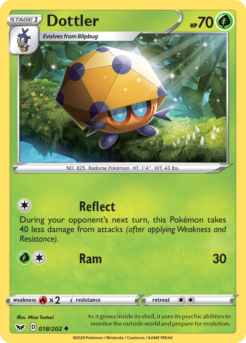
Sword & Shield
As it grows inside its shell, it uses its psychic abilities to monitor the outside world and prepare for evolution.
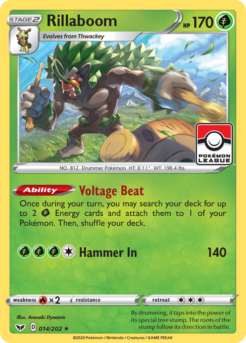
Sword & Shield
By drumming, it taps into the power of its special tree stump. The roots of the stump follow its direction in battle.
Sword & Shield
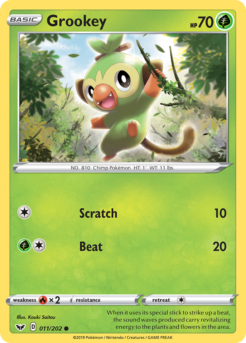
When it uses its special stick to strike up a beat, the sound waves produced carry revitalizing energy to the plants and flowers in the area.
Sword & Shield
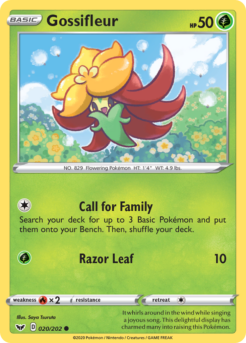
It whirls around in the wind while singing a joyous song. This delightful display has charmed many into raising this Pokémon.
Sword & Shield
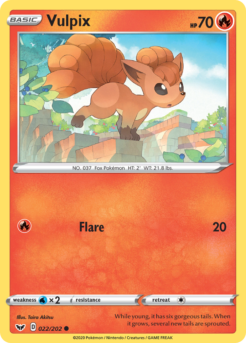
While young, it has six gorgeous tails. When it grows, several new tails are sprouted.
Sword & Shield
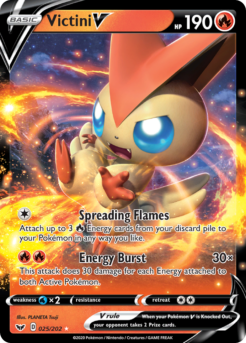
Attach up to 3 Fire Energy cards from your discard pile to your Pokémon in any way you like.
Sword & Shield
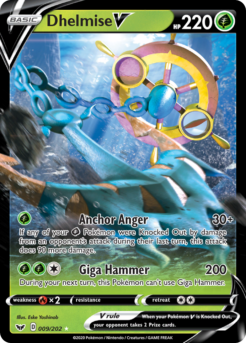
If any of your Grass Pokémon were Knocked Out by damage from an opponent’s attack during their last turn, this attack does 90 more damage.
Sword & Shield
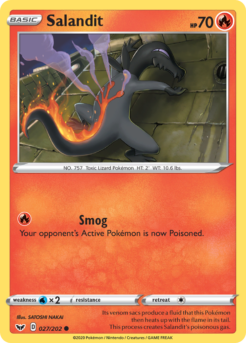
Its venom sacs produce a fluid that this Pokémon then heats up with the flame in its tail. This process creates Salandit's poisonous gas.