



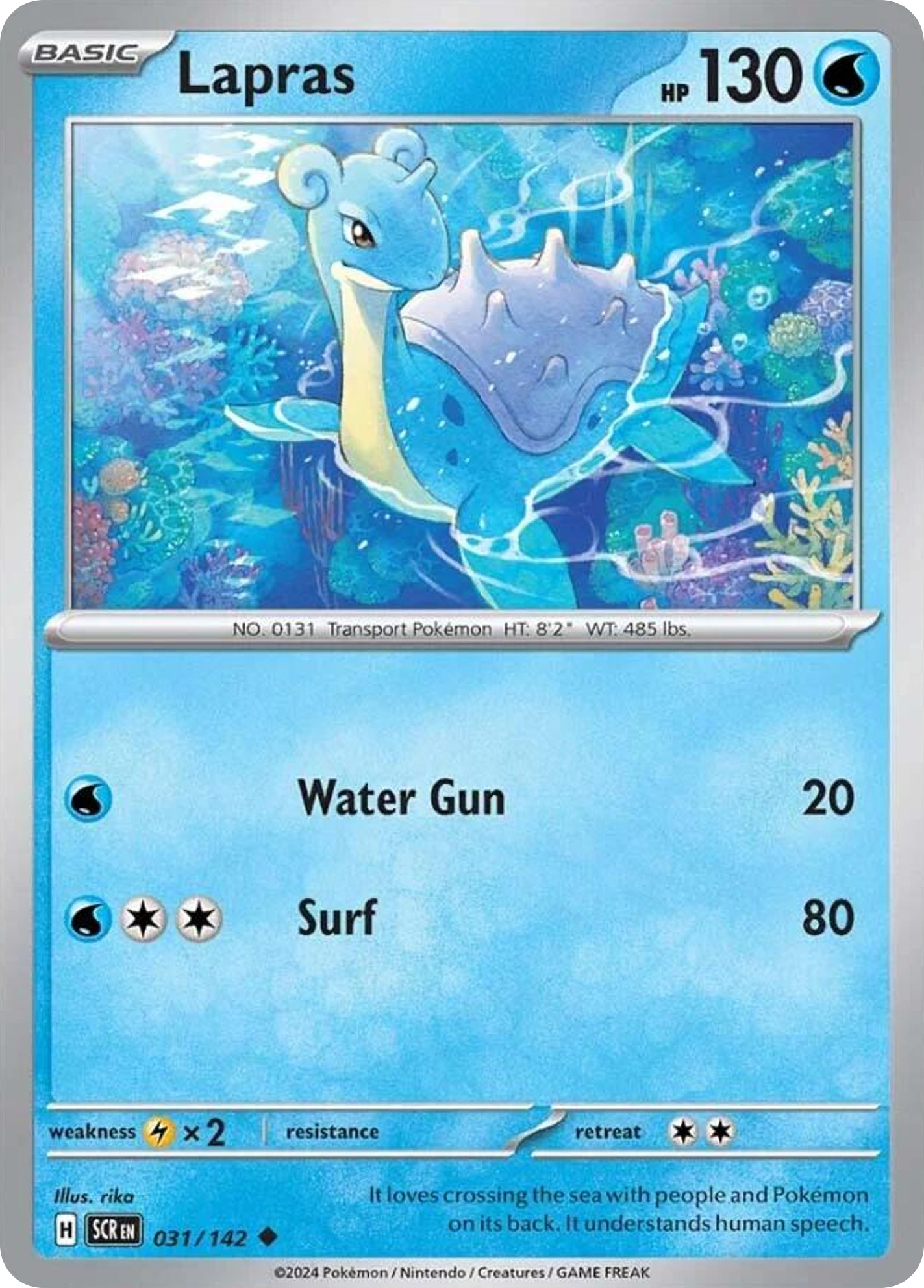
| Supertype | Pokémon |
|---|---|
| Subtype | Basic |
| HP | 130 |
| Types | Water |
| Attack | Water Gun |
| Attack cost | Water |
| Rarity | Uncommon |
| Pokédex | 131 |
Vendor Information
- Store Name: DutchGem
- Vendor: DutchGem
-
Address:
gekkestraat
179
2345GT Utrecht
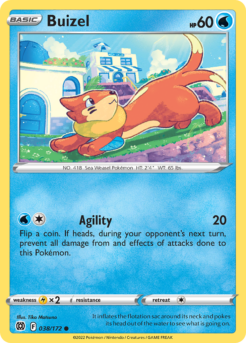
Brilliant Stars
It inflates the flotation sac around its neck and pokes its head out of the water to see what is going on.
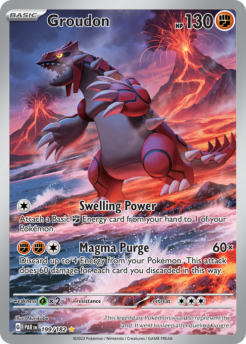
Paradox Rift
This legendary Pokémon is said to represent the land. It went to sleep after dueling Kyogre.

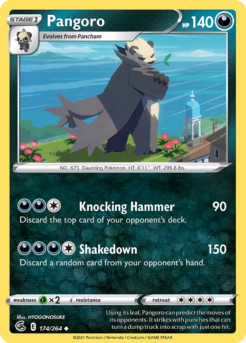
Fusion Strike
Using its leaf, Pangoro can predict the moves of its opponents. It strikes with punches that can turn a dump truck into scrap with just one hit.
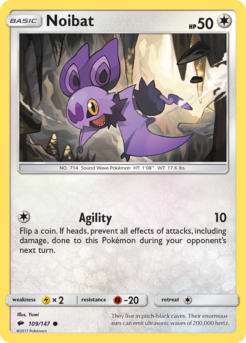
Burning Shadows
They live in pitch black caves. Their enormous ears can emit ultrasonic waves of 200,000 hertz.
Produtos Relacionados
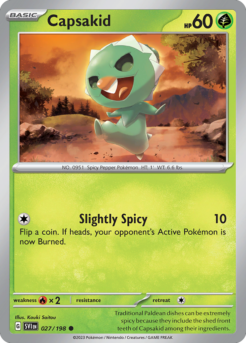
Scarlet & Violet
Traditional Paldean dishes can be extremely spicy because they include the shed front teeth of Capsakid among their ingredients.
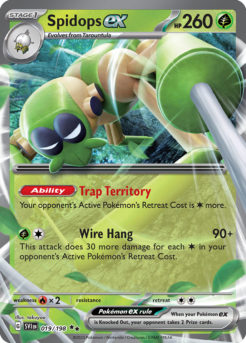
Scarlet & Violet
The thread it secretes from its rear is as strong as wire. The secret behind the thread's strength is the topic of ongoing research.
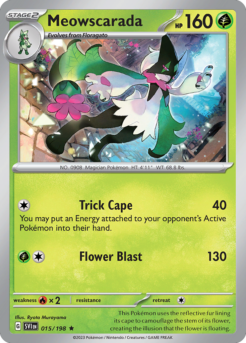
Scarlet & Violet
This Pokémon uses the reflective fur lining its cape to camouflage the stem of its flower, creating the illusion that the flower is floating.
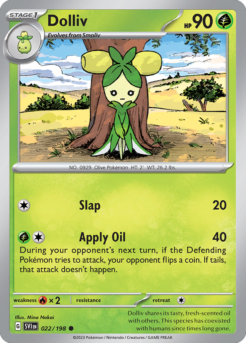
Scarlet & Violet
Dolliv shares its tasty, fresh-scented oil with others. This species has coexisted with humans since times long gone.
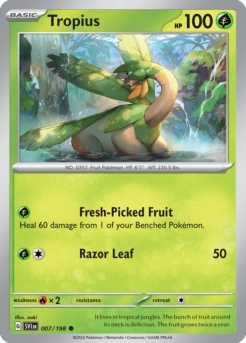
Scarlet & Violet
It lives in tropical jungles. The bunch of fruit around its neck is delicious. The fruit grows twice a year.
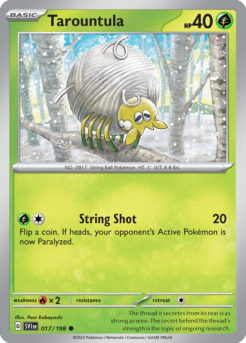
Scarlet & Violet
The thread it secretes from its rear is as strong as wire. The secret behind the thread's strength is the topic of ongoing research.
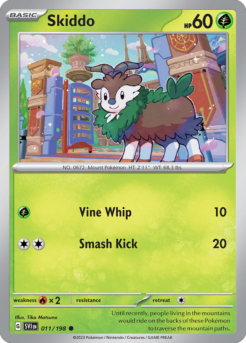
Scarlet & Violet
Until recently, people living in the mountains would ride on the back of these Pokémon to traverse the mountain paths.
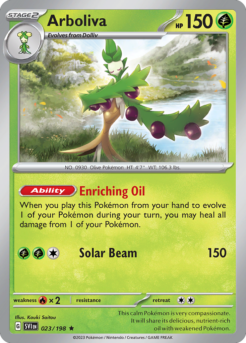
Scarlet & Violet
This calm Pokémon is very compassionate. It will share its delicious, nutrient-rich oil with weakened Pokémon.