



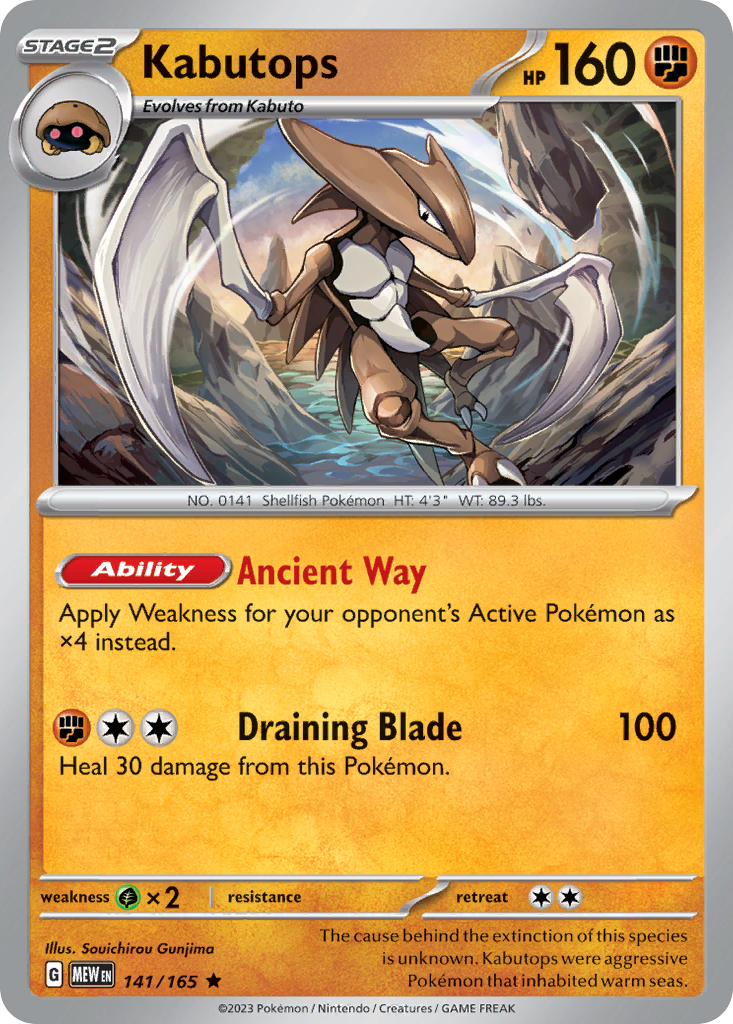
Kabutops
The cause behind the extinction of this species is unknown. Kabutops were aggressive Pokémon that inhabited warm seas.
Heal 30 damage from this Pokémon.
| Supertype | Pokémon |
|---|---|
| Subtype | Stage 2 |
| HP | 160 |
| Attack | Draining Blade |
| Attack cost | Fighting |
| Artist | Souichirou Gunjima |
| Rarity | Rare |
| Pokédex | 141 |
| Evolves from | Kabuto |
Vendor Information
- Store Name: DutchGem
- Vendor: DutchGem
-
Address:
gekkestraat
179
2345GT Utrecht
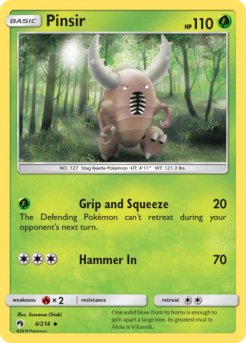
Lost Thunder
One solid blow from its horns is enough to split apart a large tree. Its greatest rival in Alola is Vikavolt.
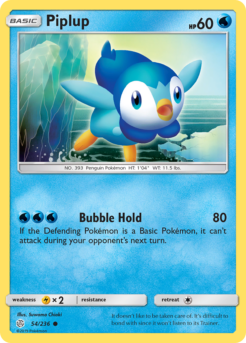
Cosmic Eclipse
It doesn't like to be taken care of. It's difficult to bond with since it won't listen to its Trainer.
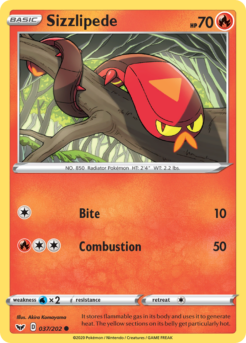
Sword & Shield
It stores flammable gas in its body and uses it to generate heat. The yellow sections on its belly get particularly hot.
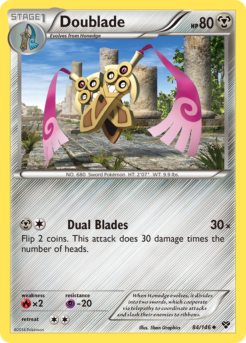
XY
When Honedge evolves, it divides into two swords, which cooperate via telepathy to coordinate attacks and slash their enemies to ribbons.
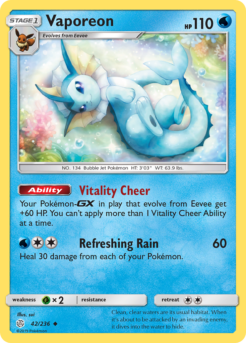
Cosmic Eclipse
Clean, clear waters are its usual habitat. When it's about to be attacked by an invading enemy, it dives into the water to hide.
Produtos Relacionados
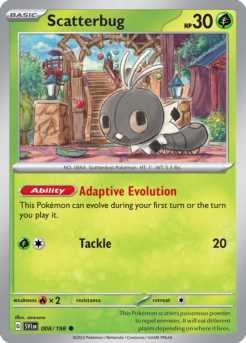
Scarlet & Violet
This Pokémon scatters poisonous powder to repel enemies. It will eat different plants depending on where it lives.
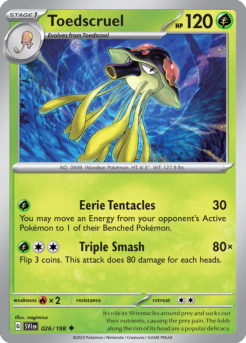
Scarlet & Violet
It coils its 10 tentacles around prey and sucks out their nutrients, causing the prey pain. The folds along the rim of its head are a popular delicacy.
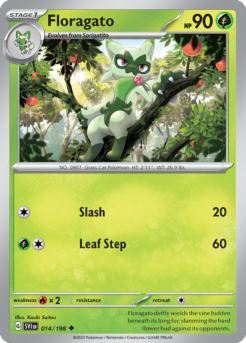
Scarlet & Violet
Floragato deftly wields the vine hidden beneath its long fur, slamming the hard flower bud against its opponents.
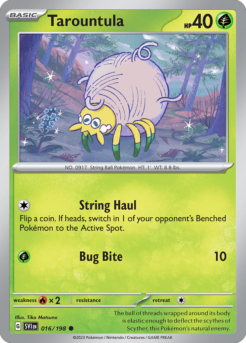
Scarlet & Violet
The ball of threads wrapped around its body is elastic enough to deflect the scythes of Scyther, this Pokémon's natural enemy.
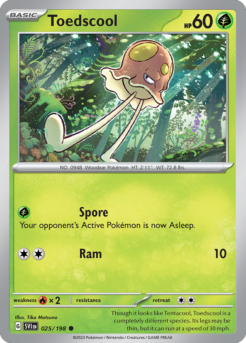
Scarlet & Violet
Though it looks like Tentacool, Toedscool is a completely different species. Its legs may be thin, but it can run at a speed of 30 mph.
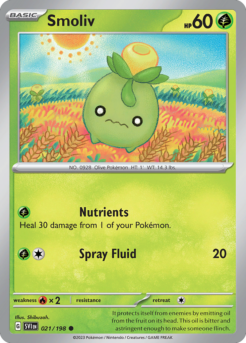
Scarlet & Violet
It protects itself from enemies by emitting oil from the fruit on its head. This oil is bitter and astringent enough to make someone flinch.
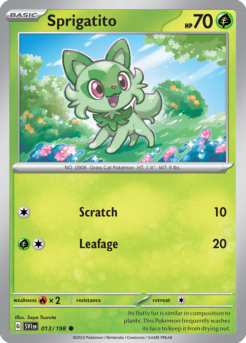
Scarlet & Violet
Its fluffy fur is similar in composition to plants. This Pokémon frequently washes its face to keep it from drying out.
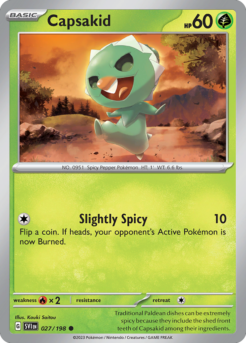
Scarlet & Violet
Traditional Paldean dishes can be extremely spicy because they include the shed front teeth of Capsakid among their ingredients.