



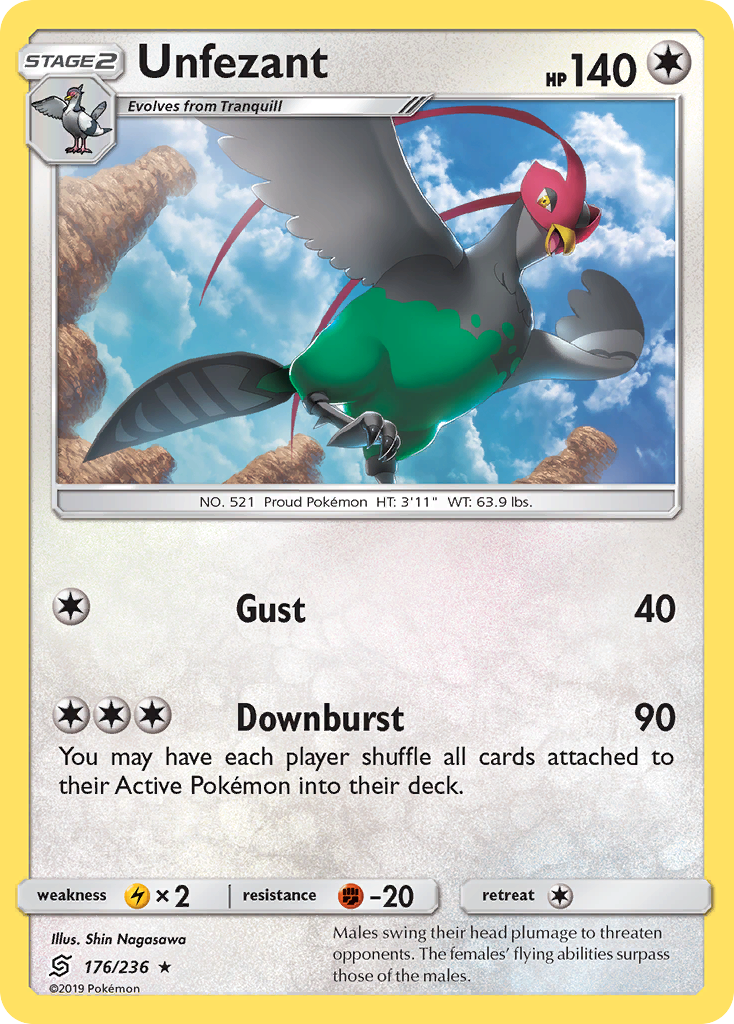
Unfezant
Males swing their head plumage to threaten opponents. The females’ flying abilities surpass those of the males.
| Supertype | Pokémon |
|---|---|
| Subtype | Stage 2 |
| HP | 140 |
| Types | Colorless |
| Attack | Gust |
| Attack cost | Colorless |
| Artist | Shin Nagasawa |
| Rarity | Rare |
| Pokédex | 521 |
| Evolves from | Tranquill |
Vendor Information
- Store Name: DutchGem
- Vendor: DutchGem
-
Address:
gekkestraat
179
2345GT Utrecht
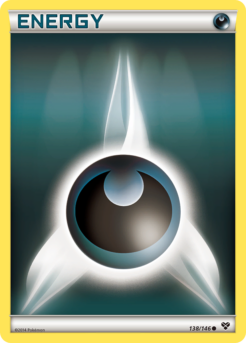
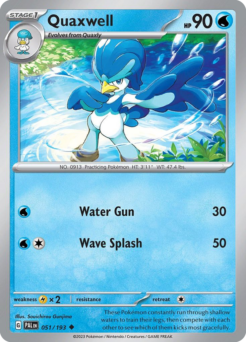
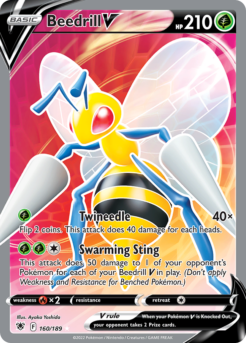
Paldea Evolved
These Pokémon constantly run through shallow waters to train their legs, then compete with each other to see which of them kicks most gracefully.
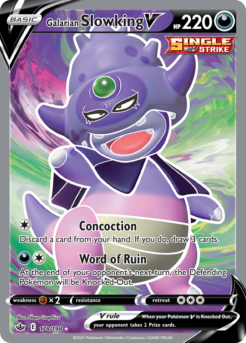
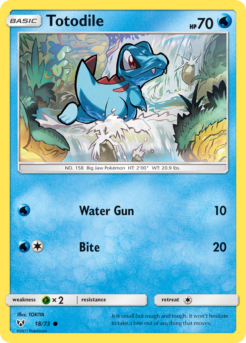
Shining Legends
It is small but rough and tough. It won't hesitate to take a bite out of anything that moves.
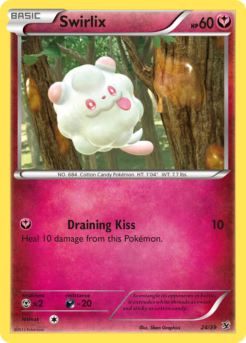
Kalos Starter Set
To entangle its opponents in battle, it extrudes white threads as sweet and sticky as cotton candy.
Produtos Relacionados
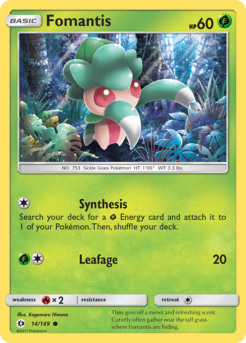
Sun & Moon
They give off a sweet and refreshing scent. Cutiefly often gather near the tall grass where Fomantis are hiding.
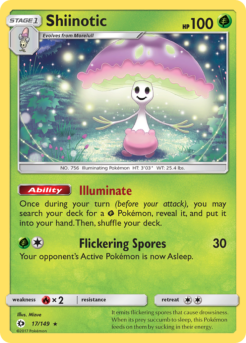
Sun & Moon
It emits flickering spores that cause drowsiness. When its prey succumb to sleep, this Pokémon feeds on them by sucking in their energy.
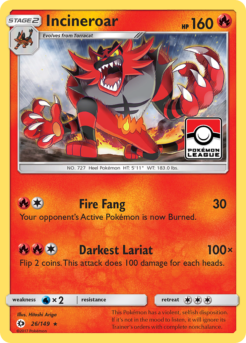
Sun & Moon
This Pokémon has a violent, selfish disposition. If it's not in the mood to listen, it will ignore its Trainer's orders with complete nonchalance.
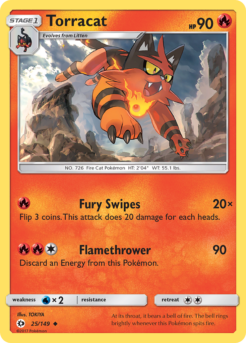
Sun & Moon
At its throat, it bears a bell of fire. The bell rings brightly whenever this Pokémon spits fire.
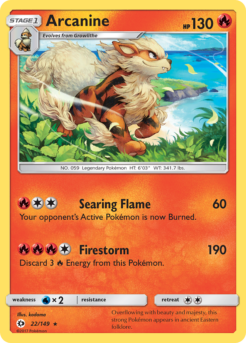
Sun & Moon
Overflowing with beauty and majesty, this strong Pokémon appears in ancient Eastern folklore.
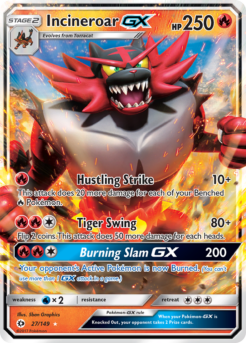
Sun & Moon
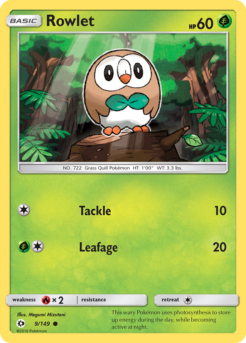
This wary Pokémon uses photosynthesis to store up energy during the day, while becoming active at night.