



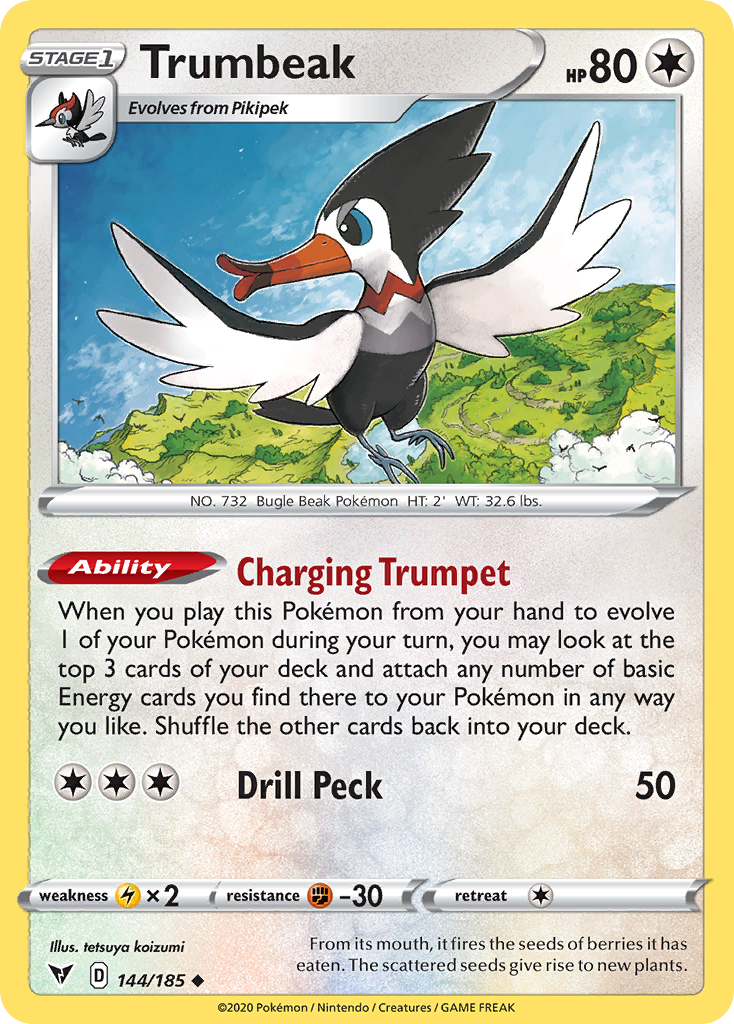
Trumbeak
From its mouth, it fires the seeds of berries it has eaten. The scattered seeds give rise to new plants.
| Supertype | Pokémon |
|---|---|
| Subtype | Stage 1 |
| HP | 80 |
| Types | Colorless |
| Attack | Drill Peck |
| Attack cost | Colorless |
| Artist | tetsuya koizumi |
| Rarity | Uncommon |
| Pokédex | 732 |
| Evolves from | Pikipek |
| Evolves to | Toucannon |
Vendor Information
- Store Name: DutchGem
- Vendor: DutchGem
-
Address:
gekkestraat
179
2345GT Utrecht
Sun & Moon
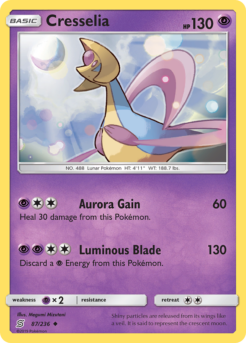
Shiny particles are released from its wings like a veil. It is said to represent the crescent moon.

Primal Clash
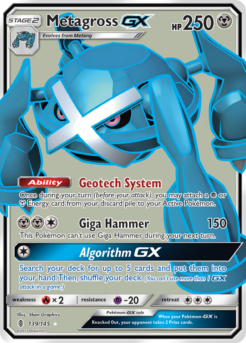
It can swim while towing a large ship. It bashes down foes with a swing of its thick arms.
BREAKthrough
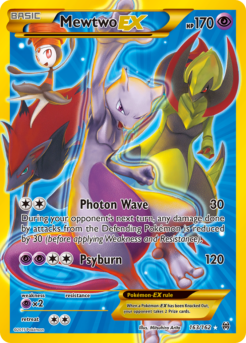
During your opponent’s next turn, any damage done by attacks from the Defending Pokémon is reduced by 30 (before applying Weakness and Resistance).
Paradox Rift
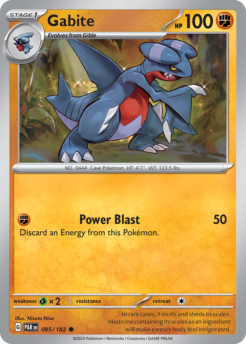
In rare cases, it molts and sheds its scales. Medicine containing its scales as an ingredient will make a weary body feel invigorated.
Related products
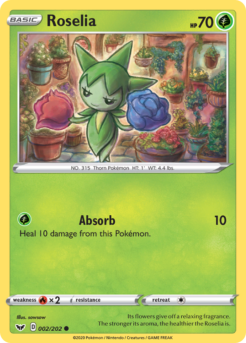
Sword & Shield
Its flowers give off a relaxing fragrance. The stronger its aroma, the healthier the Roselia is.
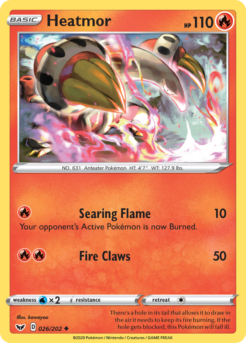
Sword & Shield
There's a hole in its tail that allows it to draw in the air it needs to keep its fire burning. If the hole gets blocked, this Pokémon will fall ill.
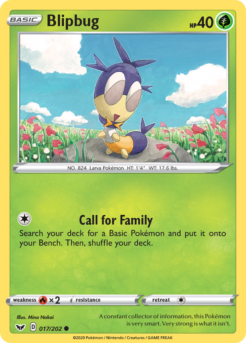
Sword & Shield
A constant collector of information, this Pokémon is very smart. Very strong is what it isn't.
Sword & Shield
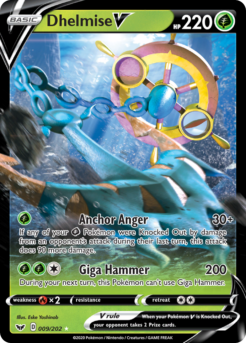
If any of your Grass Pokémon were Knocked Out by damage from an opponent’s attack during their last turn, this attack does 90 more damage.
Sword & Shield
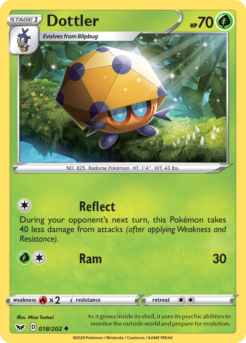
As it grows inside its shell, it uses its psychic abilities to monitor the outside world and prepare for evolution.
Sword & Shield
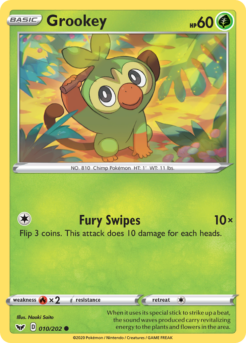
When it uses its special stick to strike up a beat, the sound waves produced carry revitalizing energy to the plants and flowers in the area.
Sword & Shield
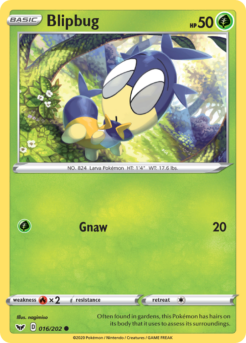
Often found in gardens, this Pokémon has hairs on its body that it uses to assess its surroundings.
Sword & Shield
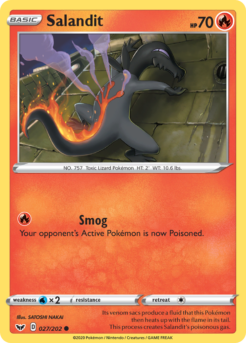
Its venom sacs produce a fluid that this Pokémon then heats up with the flame in its tail. This process creates Salandit's poisonous gas.