



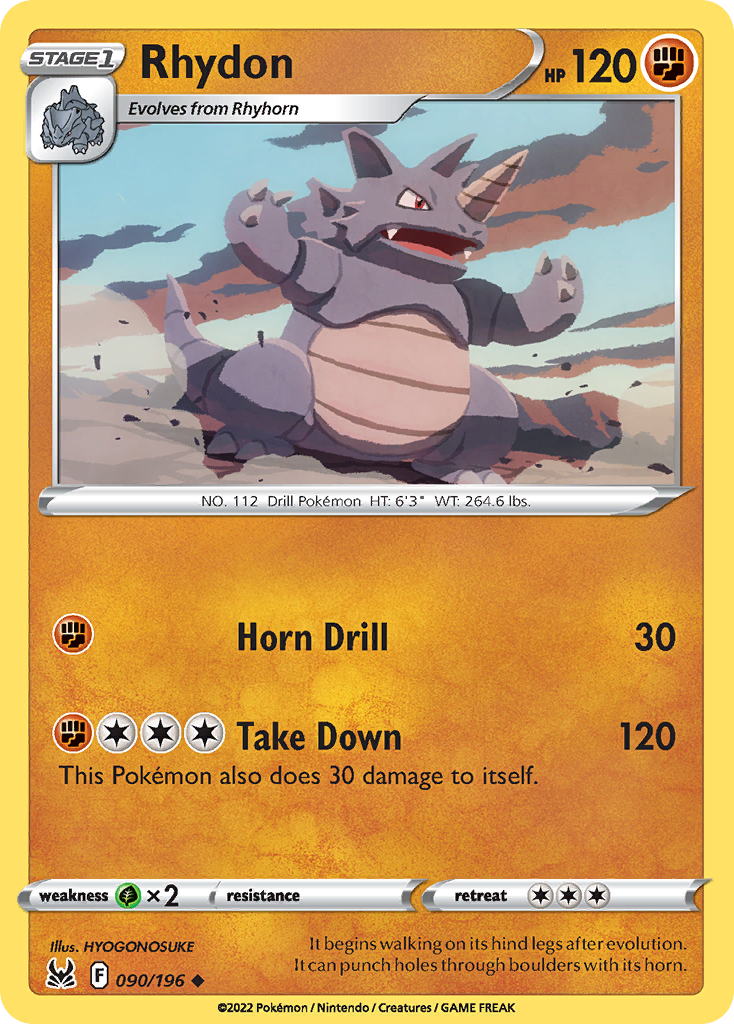
Rhydon
It begins walking on its hind legs after evolution. It can punch holes through boulders with its horn.
| Supertype | Pokémon |
|---|---|
| Subtype | Stage 1 |
| HP | 120 |
| Types | Fighting |
| Attack | Horn Drill |
| Attack cost | Fighting |
| Artist | HYOGONOSUKE |
| Rarity | Uncommon |
| Pokédex | 112 |
| Evolves from | Rhyhorn |
| Evolves to | Rhyperior |
Vendor Information
- Store Name: DutchGem
- Vendor: DutchGem
-
Address:
gekkestraat
179
2345GT Utrecht

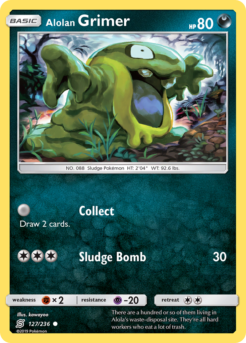
Sun & Moon
There are a hundred or so of them living in Alola's waste-disposal site. They're all hard workers who eat a lot of trash.
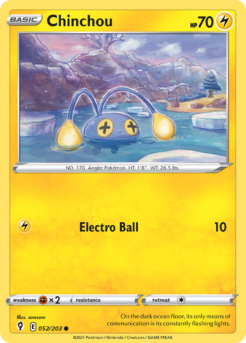
Evolving Skies
On the dark ocean floor, its only means of communication is its constantly flashing lights.
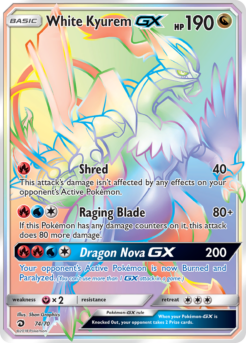
Dragon Majesty
This attack’s damage isn’t affected by any effects on your opponent’s Active Pokémon.
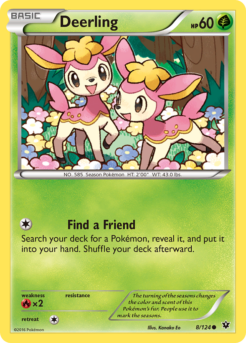
Fates Collide
The turning of the seasons changes the color and scent of this Pokémon's fur. People use it to mark the seasons.
Phantom Forces
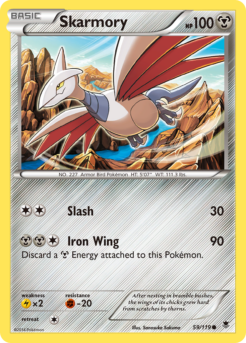
After nesting in bramble bushes, the wings of its chicks grow hard from scratches by thorns.
Related products
Sword & Shield
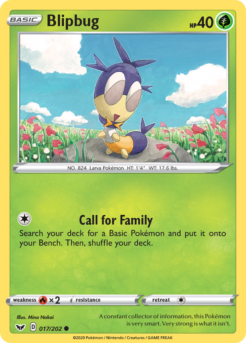
A constant collector of information, this Pokémon is very smart. Very strong is what it isn't.
Sword & Shield
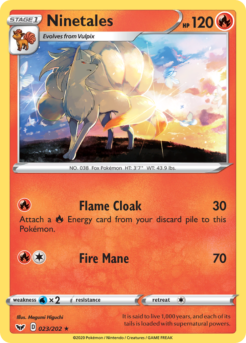
It is said to live 1,000 years, and each of its tails is loaded with supernatural powers.
Sword & Shield
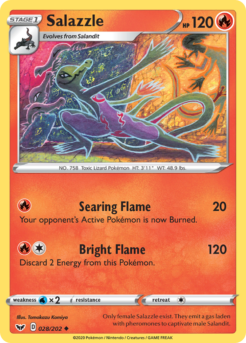
Only female Salazzle exist. They emit a gas laden with pheromones to captivate male Salandit.
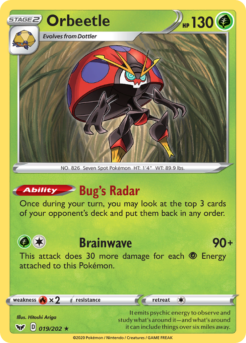
Sword & Shield
It emits psychic energy to observe and study what's around it—and what's around it can include things over six miles away.
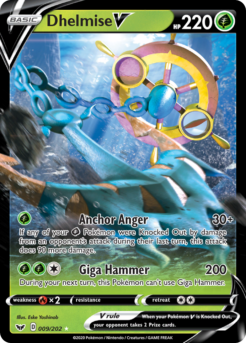
Sword & Shield
If any of your Grass Pokémon were Knocked Out by damage from an opponent’s attack during their last turn, this attack does 90 more damage.
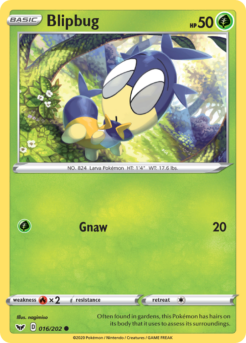
Sword & Shield
Often found in gardens, this Pokémon has hairs on its body that it uses to assess its surroundings.
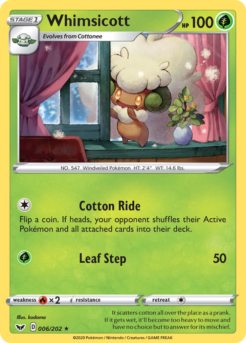
Sword & Shield
It scatters cotton all over the place as a prank. If it gets wet, it'll become too heavy to move and have no choice but to answer for its mischief.
Sword & Shield
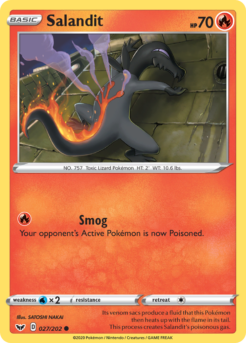
Its venom sacs produce a fluid that this Pokémon then heats up with the flame in its tail. This process creates Salandit's poisonous gas.