



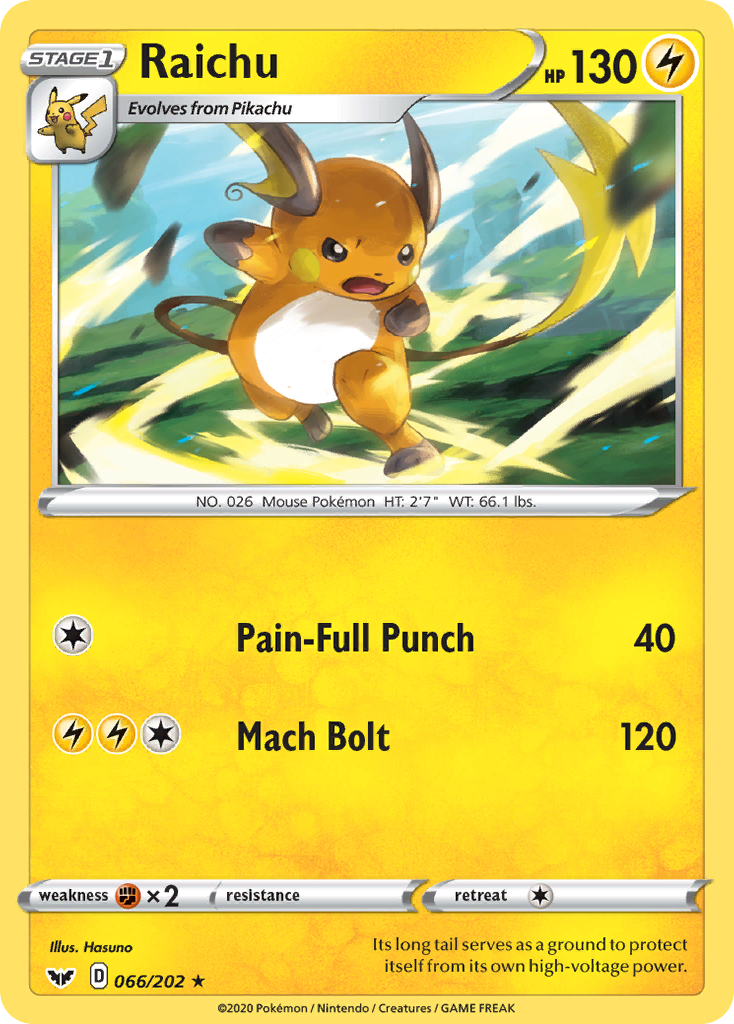
Raichu

Its long tail serves as a ground to protect itself from its own high-voltage power.

| Supertype | Pokémon |
|---|---|
| Subtype | Stage 1 |
| HP | 130 |
| Types | Lightning |
| Attack | Pain-Full Punch |
| Attack cost | Colorless |
| Artist | Hasuno |
| Rarity | Rare |
| Pokédex | 26 |
| Evolves from | Pikachu |
Vendor Information
- Store Name: DutchGem
- Vendor: DutchGem
-
Address:
gekkestraat
179
2345GT Utrecht

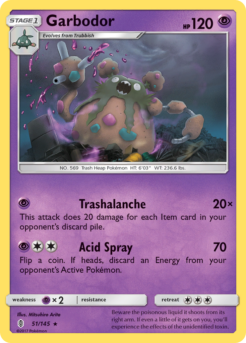
Guardians Rising
Beware the poisonous liquid it shoots from its right arm. If even a little of it gets on you, you'll experience the effects of the unidentified toxin.
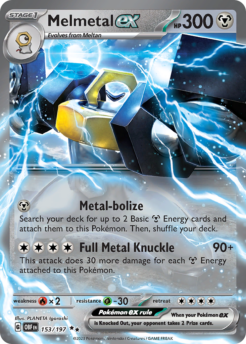
Obsidian Flames
Search your deck for up to 2 Basic Metal Energy cards and attach them to this Pokémon. Then, shuffle your deck.
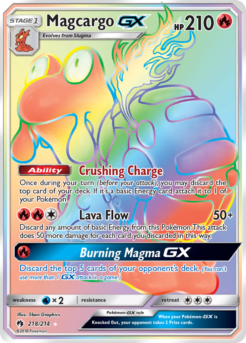
Lost Thunder
Discard any amount of basic Energy from this Pokémon. This attack does 50 more damage for each card you discarded in this way.
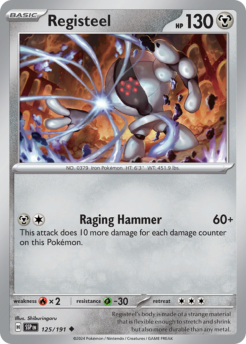

Related products
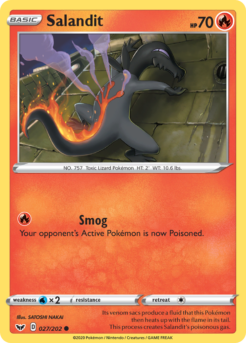
Sword & Shield
Its venom sacs produce a fluid that this Pokémon then heats up with the flame in its tail. This process creates Salandit's poisonous gas.
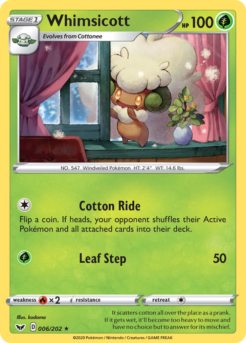
Sword & Shield
It scatters cotton all over the place as a prank. If it gets wet, it'll become too heavy to move and have no choice but to answer for its mischief.
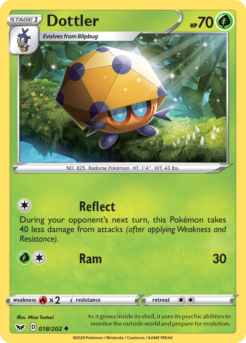
Sword & Shield
As it grows inside its shell, it uses its psychic abilities to monitor the outside world and prepare for evolution.
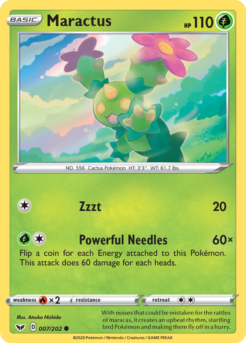
Sword & Shield
With noises that could be mistaken for the rattles of maracas, it creates an upbeat rhythm, startling bird Pokémon and making them fly off in a hurry.

Sword & Shield
Search your deck for up to 2 Pokémon, reveal them, and put them into your hand. Then, shuffle your deck.
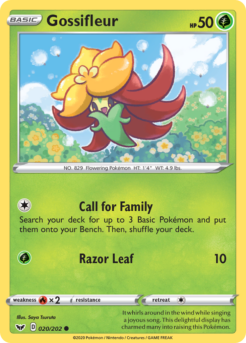
Sword & Shield
It whirls around in the wind while singing a joyous song. This delightful display has charmed many into raising this Pokémon.
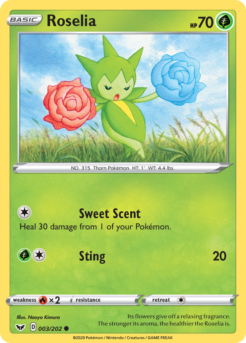
Sword & Shield
Its flowers give off a relaxing fragrance. The stronger its aroma, the healthier the Roselia is.
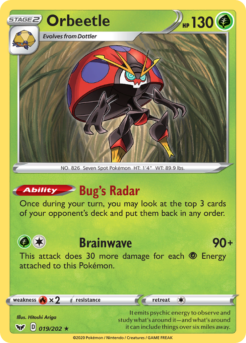
Sword & Shield
It emits psychic energy to observe and study what's around it—and what's around it can include things over six miles away.