



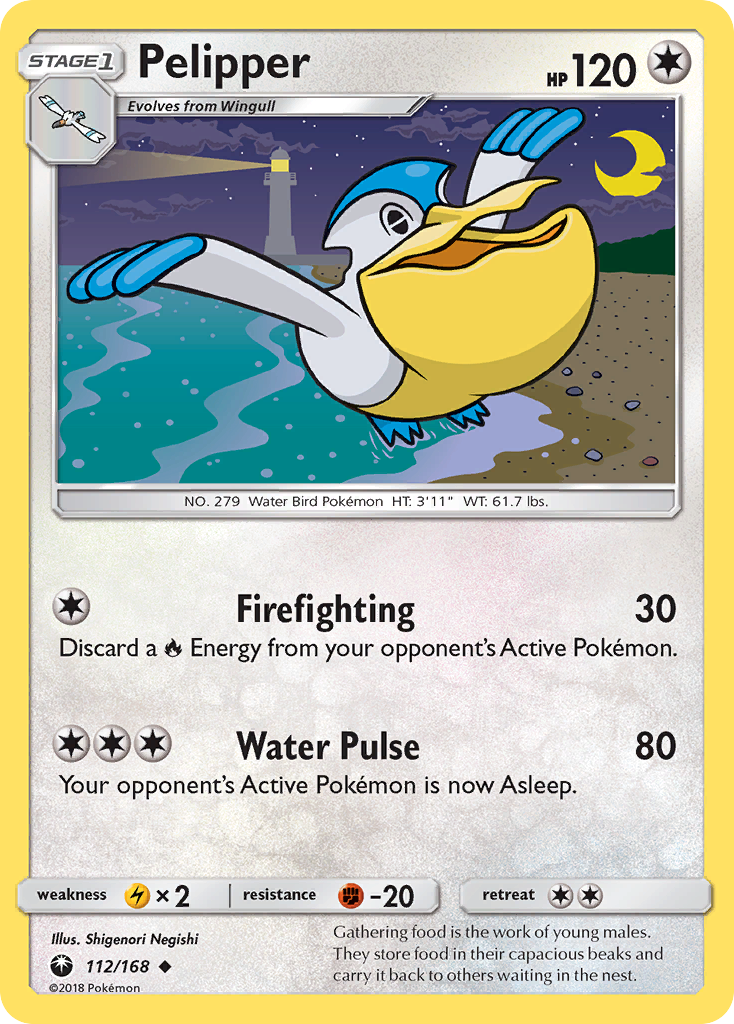
Pelipper
Gathering food is the work of young males. They store food in their capacious beaks and carry it back to others waiting in the nest.

Discard a Fire Energy from your opponent’s Active Pokémon.
| Supertype | Pokémon |
|---|---|
| Subtype | Stage 1 |
| HP | 120 |
| Types | Colorless |
| Attack | Firefighting |
| Attack cost | Colorless |
| Artist | Shigenori Negishi |
| Rarity | Uncommon |
| Pokédex | 279 |
| Evolves from | Wingull |
Vendor Information
- Store Name: DutchGem
- Vendor: DutchGem
-
Address:
gekkestraat
179
2345GT Utrecht
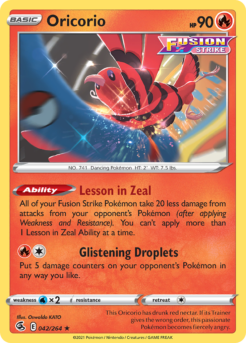
Fusion Strike
This Oricorio has drunk red nectar. If its Trainer gives the wrong order, this passionate Pokémon becomes fiercely angry.

Sun & Moon
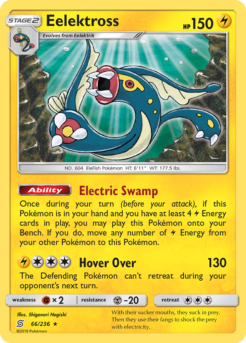
With their sucker mouths, they suck in prey. Then they use their fangs to shock the prey with electricity.
Sun & Moon
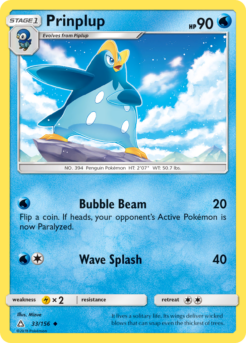
It lives a solitary life. Its wings deliver wicked blows that can snap even the thickest of trees.
Evolutions
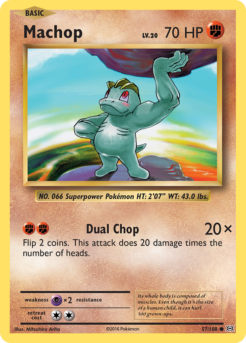
Its whole body is composed of muscles. Even though it's the size of a human child, it can hurl 100 grown-ups.
Scarlet & Violet
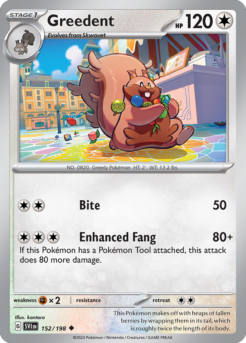
This Pokémon makes off with heaps of fallen berries by wrapping them in its tail, which is roughly twice the length of its body.
Related products
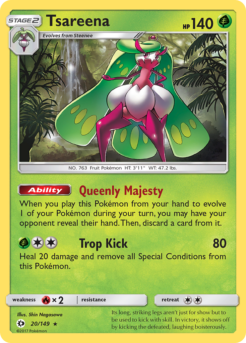
Sun & Moon
Its long, striking legs aren't just for show but to be used to kick with skill. In victory, it shows off by kicking the defeated, laughing boisterously.
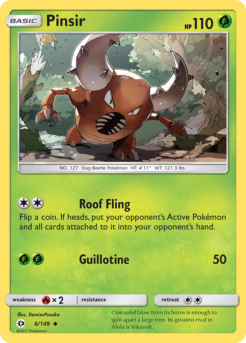
Sun & Moon
One solid blow from its horns is enough to split apart a large tree. Its greatest rival in Alola is Vikavolt.
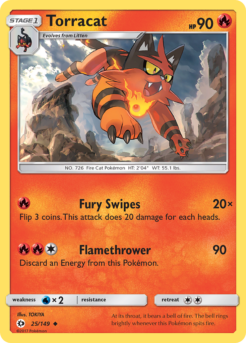
Sun & Moon
At its throat, it bears a bell of fire. The bell rings brightly whenever this Pokémon spits fire.
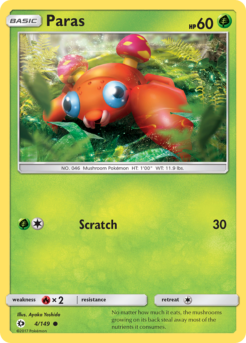
Sun & Moon
No matter how much it eats, the mushrooms growing on its back steal away most of the nutrients it consumes.
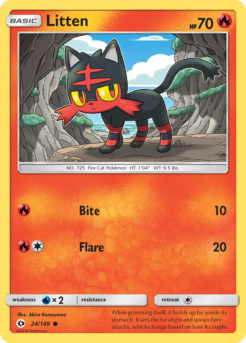
Sun & Moon
While grooming itself, it builds up fur inside its stomach. It sets the fur alight and spews fiery attacks, which change based on how it coughs.
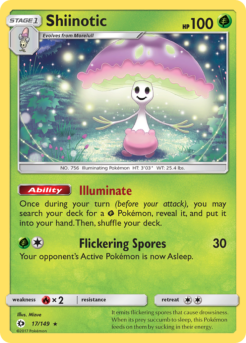
Sun & Moon
It emits flickering spores that cause drowsiness. When its prey succumb to sleep, this Pokémon feeds on them by sucking in their energy.
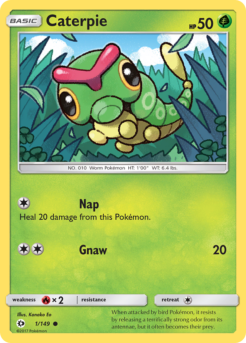
Sun & Moon
When attacked by bird Pokémon, it resists by releasing a terrifically strong odor from its antennae, but it often becomes their prey.
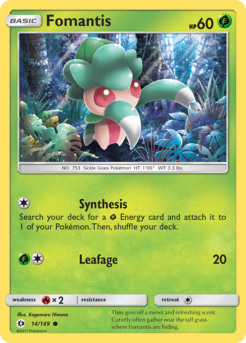
Sun & Moon
They give off a sweet and refreshing scent. Cutiefly often gather near the tall grass where Fomantis are hiding.