



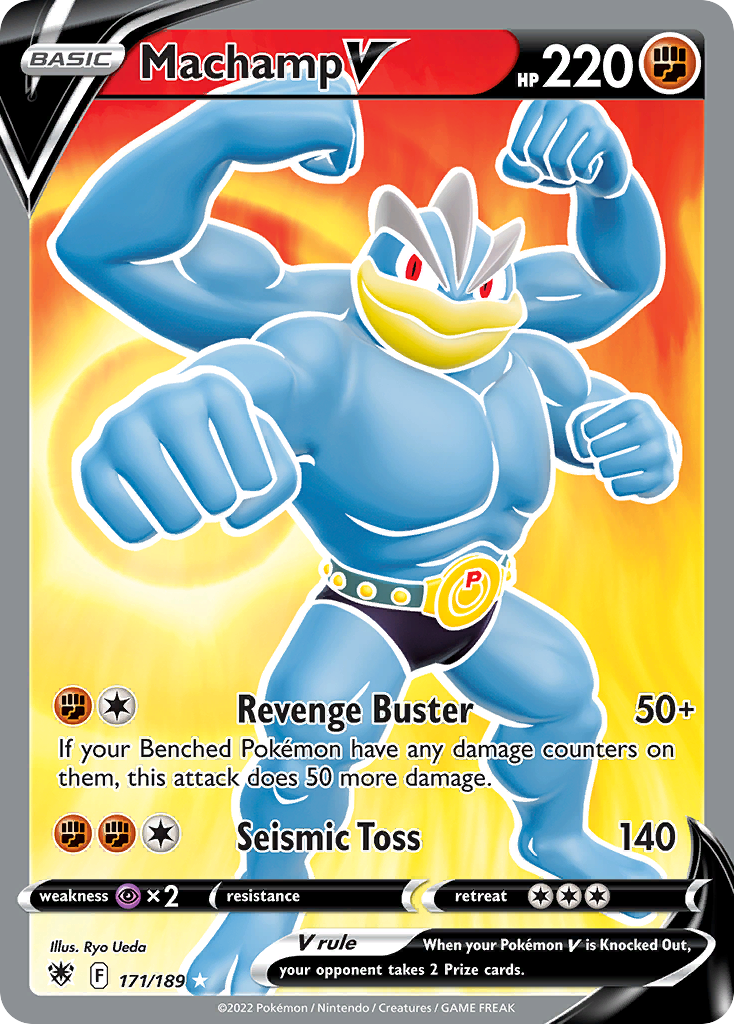

If your Benched Pokémon have any damage counters on them, this attack does 50 more damage.
| Supertype | Pokémon |
|---|---|
| Subtype | Basic |
| HP | 220 |
| Types | Fighting |
| Attack | Revenge Buster |
| Attack cost | Fighting |
| Artist | Ryo Ueda |
| Rarity | Rare Ultra |
| Pokédex | 68 |
Vendor Information
- Store Name: DutchGem
- Vendor: DutchGem
-
Address:
gekkestraat
179
2345GT Utrecht
Silver Tempest
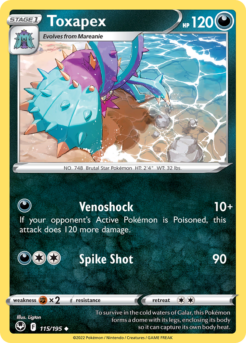
To survive in the cold waters of Galar, this Pokémon forms a dome with its legs, enclosing its body so it can capture its own body heat.
Chilling Reign
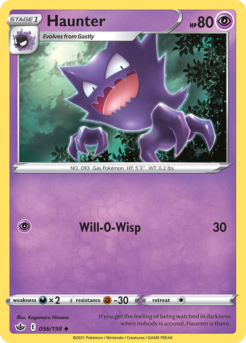
If you get the feeling of being watched in darkness when nobody is around, Haunter is there.
Sun & Moon
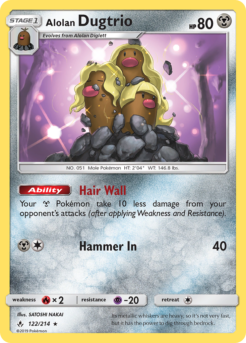
Its metallic whiskers are heavy, so it's not very fast, but it has the power to dig through bedrock.
Sword & Shield
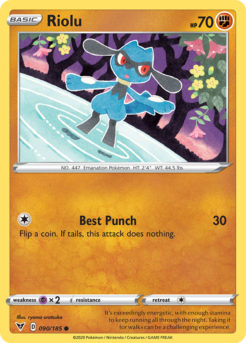
It's exceedingly energetic, with enough stamina to keep running all through the night. Taking it for walks can be a challenging experience.
Base
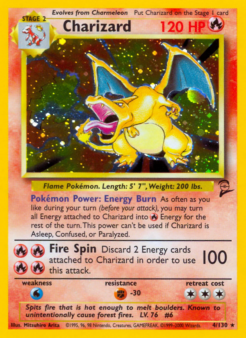
Spits fire that is hot enough to melt boulders. Known to unintentionally cause forest fires.
Related products
Sword & Shield
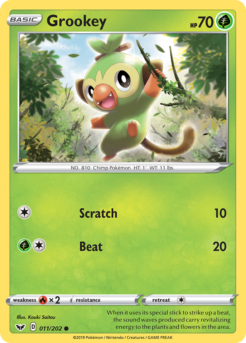
When it uses its special stick to strike up a beat, the sound waves produced carry revitalizing energy to the plants and flowers in the area.
Sword & Shield
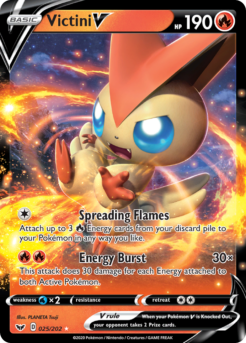
Attach up to 3 Fire Energy cards from your discard pile to your Pokémon in any way you like.
Sword & Shield
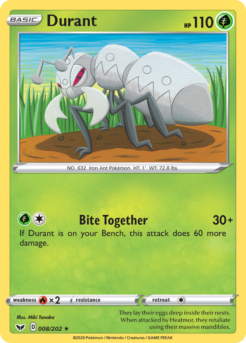
They lay their eggs deep inside their nests. When attacked by Heatmor, they retaliate using their massive mandibles.
Sword & Shield
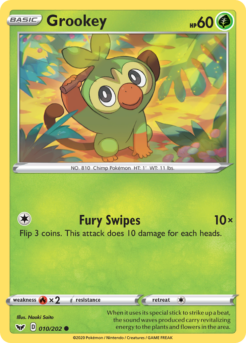
When it uses its special stick to strike up a beat, the sound waves produced carry revitalizing energy to the plants and flowers in the area.
Sword & Shield
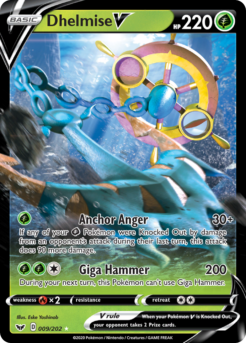
If any of your Grass Pokémon were Knocked Out by damage from an opponent’s attack during their last turn, this attack does 90 more damage.
Sword & Shield
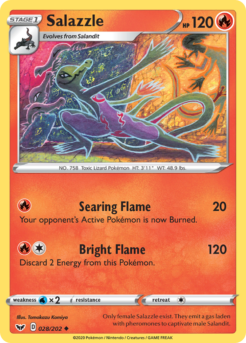
Only female Salazzle exist. They emit a gas laden with pheromones to captivate male Salandit.
Sword & Shield
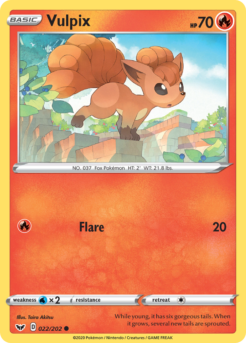
While young, it has six gorgeous tails. When it grows, several new tails are sprouted.
Sword & Shield
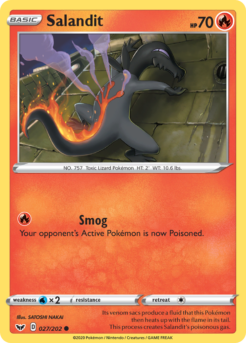
Its venom sacs produce a fluid that this Pokémon then heats up with the flame in its tail. This process creates Salandit's poisonous gas.