



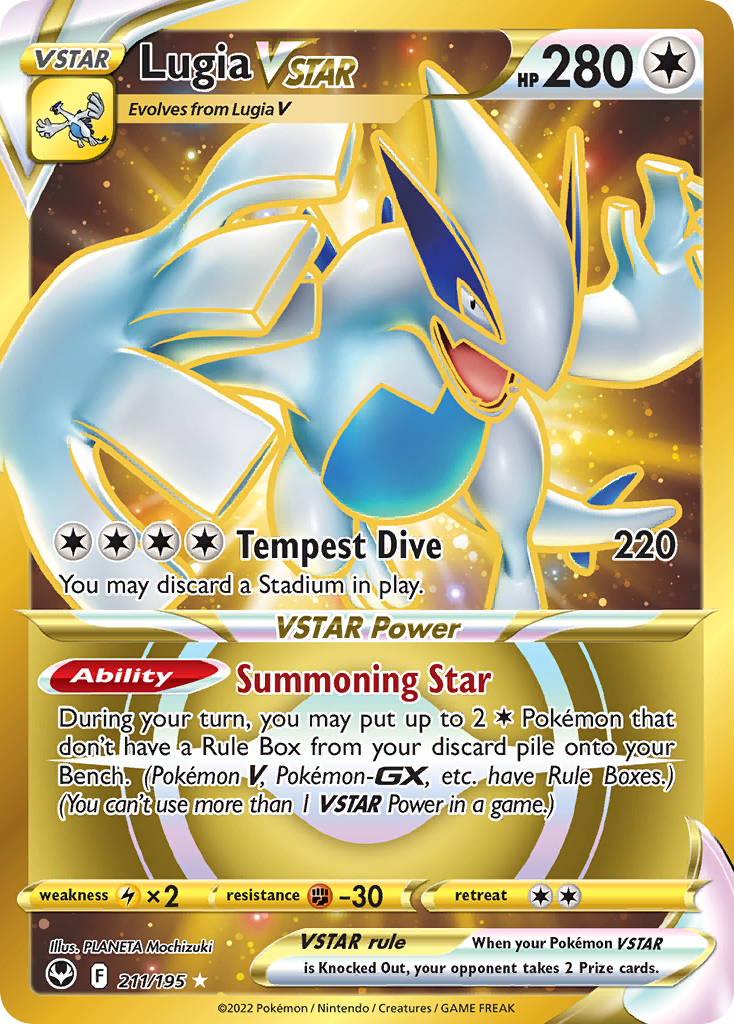

You may discard a Stadium in play.
| Supertype | Pokémon |
|---|---|
| Subtype | VSTAR |
| HP | 280 |
| Types | Colorless |
| Attack | Tempest Dive |
| Attack cost | Colorless |
| Artist | PLANETA Mochizuki |
| Rarity | Rare Secret |
| Pokédex | 249 |
| Evolves from | Lugia V |
Vendor Information
- Store Name: DutchGem
- Vendor: DutchGem
-
Address:
gekkestraat
179
2345GT Utrecht
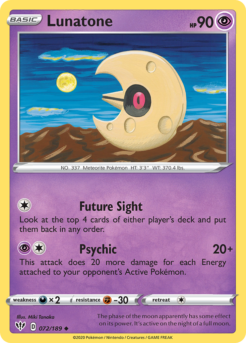
Darkness Ablaze
The phase of the moon apparently has some effect on its power. It's active on the night of a full moon.
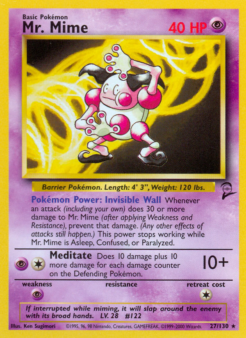
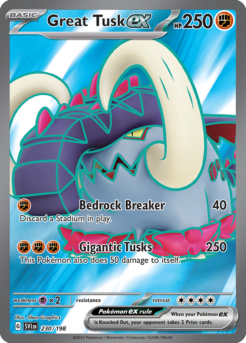
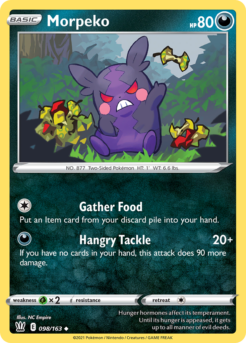
Battle Styles
Hunger hormones affect its temperament. Until its hunger is appeased, it gets up to all manner of evil deeds.
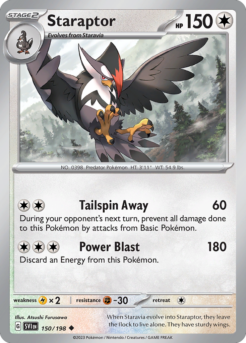
Scarlet & Violet
When Staravia evolve into Staraptor, they leave the flock to live alone. They have sturdy wings.
Related products
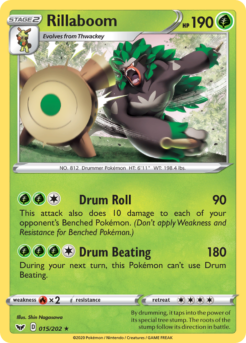
Sword & Shield
By drumming, it taps into the power of its special tree stump. The roots of the stump follow its direction in battle.
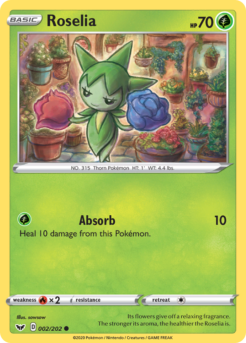
Sword & Shield
Its flowers give off a relaxing fragrance. The stronger its aroma, the healthier the Roselia is.
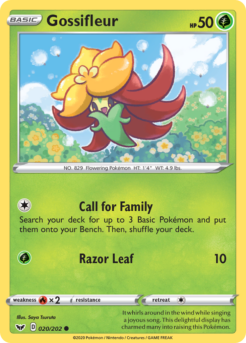
Sword & Shield
It whirls around in the wind while singing a joyous song. This delightful display has charmed many into raising this Pokémon.
Sword & Shield
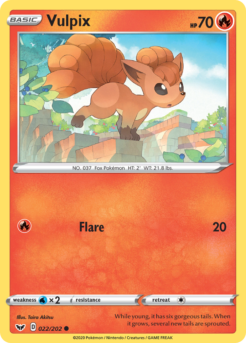
While young, it has six gorgeous tails. When it grows, several new tails are sprouted.
Sword & Shield
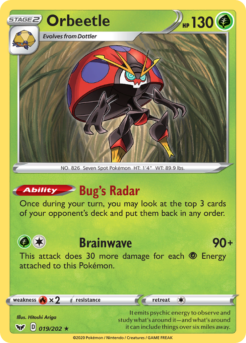
It emits psychic energy to observe and study what's around it—and what's around it can include things over six miles away.
Sword & Shield
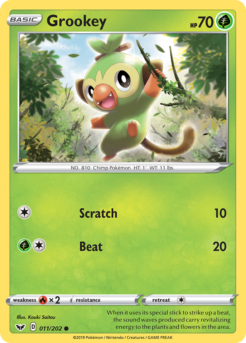
When it uses its special stick to strike up a beat, the sound waves produced carry revitalizing energy to the plants and flowers in the area.
Sword & Shield
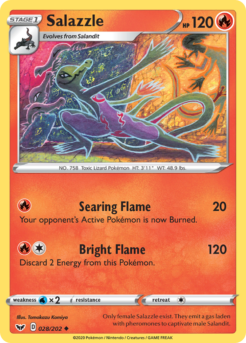
Only female Salazzle exist. They emit a gas laden with pheromones to captivate male Salandit.
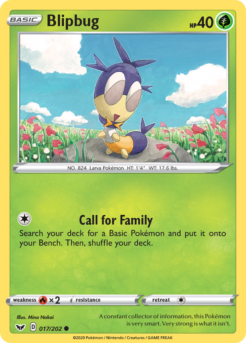
Sword & Shield
A constant collector of information, this Pokémon is very smart. Very strong is what it isn't.