




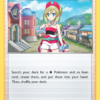
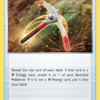
| Supertype | Trainer |
|---|---|
| Subtype | Item |
| Artist | Studio Bora Inc. |
| Rarity | Uncommon |
Vendor Information
- Store Name: DutchGem
- Vendor: DutchGem
-
Address:
gekkestraat
179
2345GT Utrecht
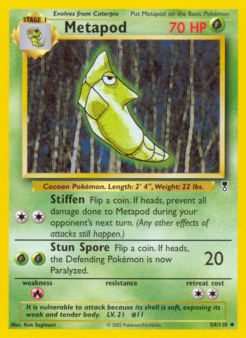
Base
It is vulnerable to attack because its shell is soft, exposing its weak and tender body.
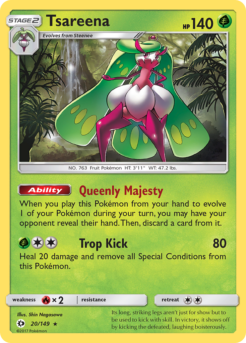
Sun & Moon
Its long, striking legs aren't just for show but to be used to kick with skill. In victory, it shows off by kicking the defeated, laughing boisterously.
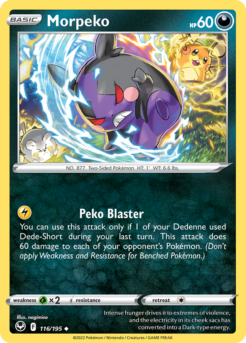
Silver Tempest
Intense hunger drives it to extremes of violence, and the electricity in its cheek sacs has converted into a Dark-type energy.
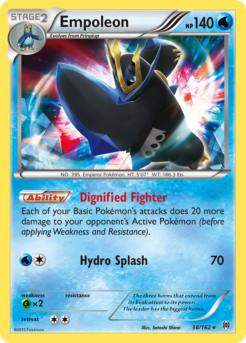
BREAKthrough
The three horns that extend from its beak attest to its power. The leader has the biggest horns.
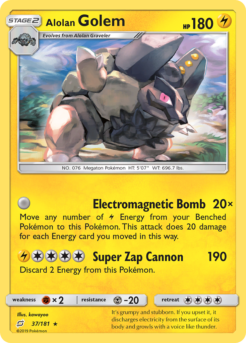
Sun & Moon
It's grumpy and stubborn. If you upset it, it discharges electricity from the surface of its body and growls with a voice like thunder.
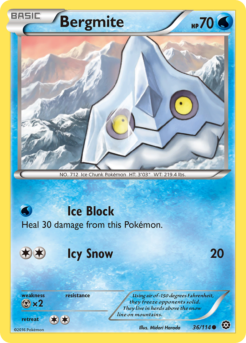
Steam Siege
Using air of -150 degrees Fahrenheit, they freeze opponents solid. They live in herds above the snow line on mountains.
Related products
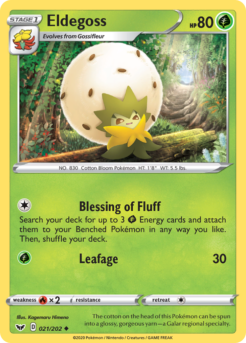
Sword & Shield
The cotton on the head of this Pokémon can be spun into a glossy, gorgeous yarn—a Galar regional specialty.
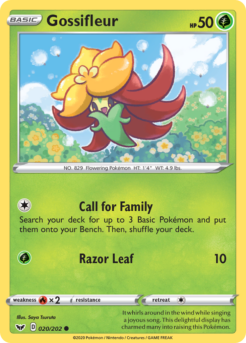
Sword & Shield
It whirls around in the wind while singing a joyous song. This delightful display has charmed many into raising this Pokémon.
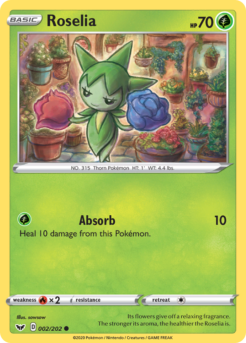
Sword & Shield
Its flowers give off a relaxing fragrance. The stronger its aroma, the healthier the Roselia is.
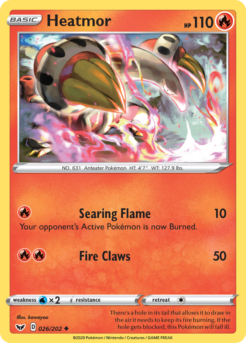
Sword & Shield
There's a hole in its tail that allows it to draw in the air it needs to keep its fire burning. If the hole gets blocked, this Pokémon will fall ill.
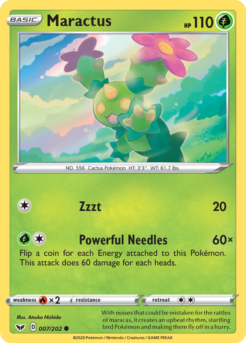
Sword & Shield
With noises that could be mistaken for the rattles of maracas, it creates an upbeat rhythm, startling bird Pokémon and making them fly off in a hurry.
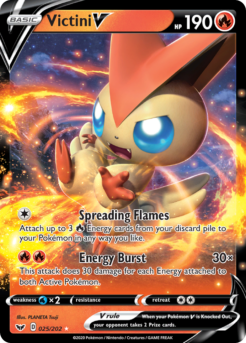
Sword & Shield
Attach up to 3 Fire Energy cards from your discard pile to your Pokémon in any way you like.
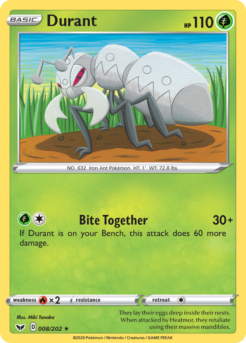
Sword & Shield
They lay their eggs deep inside their nests. When attacked by Heatmor, they retaliate using their massive mandibles.
Sword & Shield
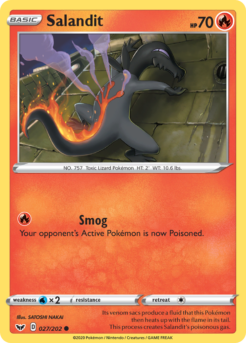
Its venom sacs produce a fluid that this Pokémon then heats up with the flame in its tail. This process creates Salandit's poisonous gas.