



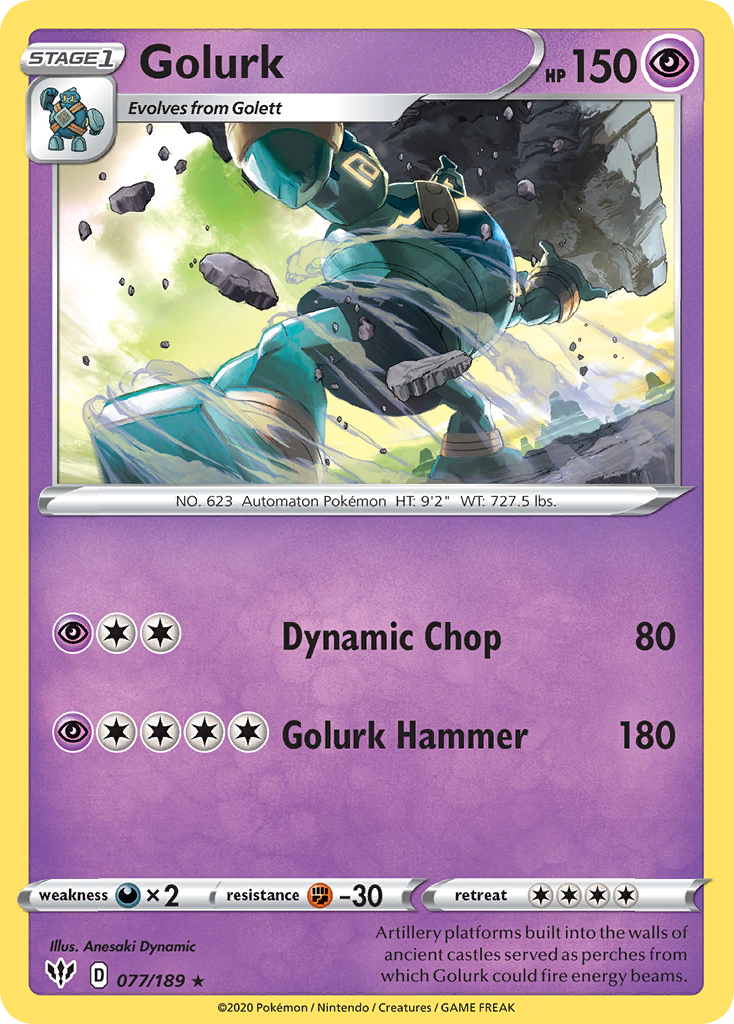
Golurk
Artillery platforms built into the walls of ancient castles served as perches from which Golurk could fire energy beams.
| Supertype | Pokémon |
|---|---|
| Subtype | Stage 1 |
| HP | 150 |
| Types | Psychic |
| Attack | Dynamic Chop |
| Attack cost | Psychic |
| Artist | Anesaki Dynamic |
| Rarity | Rare |
| Pokédex | 623 |
| Evolves from | Golett |
Vendor Information
- Store Name: DutchGem
- Vendor: DutchGem
-
Address:
gekkestraat
179
2345GT Utrecht
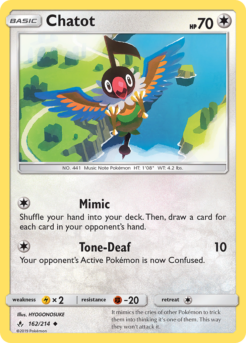
Sun & Moon
It mimics the cries of other Pokémon to trick them into thinking it's one of them. This way they won't attack it.
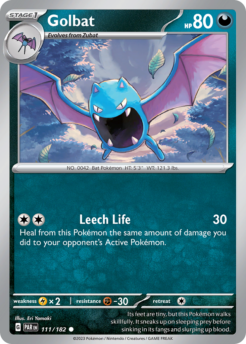
Paradox Rift
Its feet are tiny, but this Pokémon walks skillfully. It sneaks up on sleeping prey before sinking in its fangs and slurping up blood.

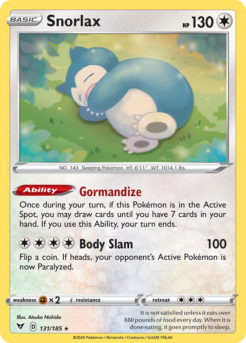
Sword & Shield
It is not satisfied unless it eats over 880 pounds of food every day. When it is done eating, it goes promptly to sleep.
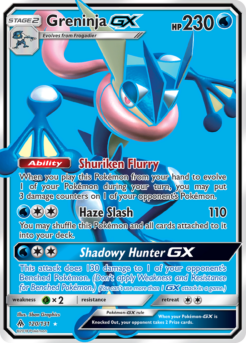
Forbidden Light
You may shuffle this Pokémon and all cards attached to it into your deck.

Related products
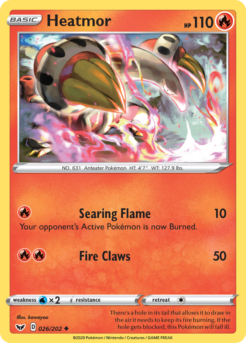
Sword & Shield
There's a hole in its tail that allows it to draw in the air it needs to keep its fire burning. If the hole gets blocked, this Pokémon will fall ill.
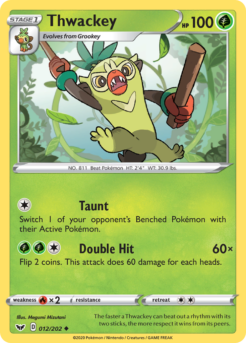
Sword & Shield
The faster a Thwackey can beat out a rhythm with its two sticks, the more respect it wins from its peers.
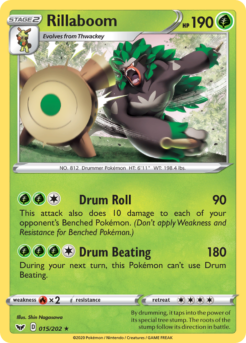
Sword & Shield
By drumming, it taps into the power of its special tree stump. The roots of the stump follow its direction in battle.
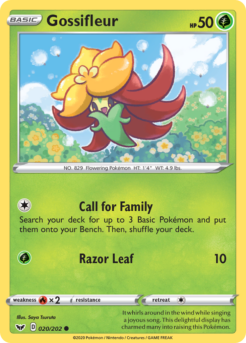
Sword & Shield
It whirls around in the wind while singing a joyous song. This delightful display has charmed many into raising this Pokémon.
Sword & Shield
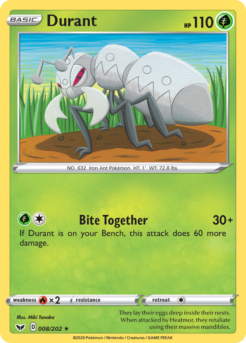
They lay their eggs deep inside their nests. When attacked by Heatmor, they retaliate using their massive mandibles.
Sword & Shield
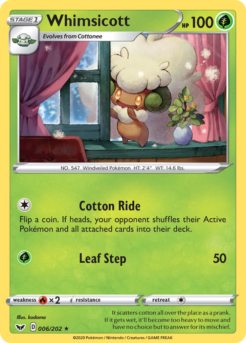
It scatters cotton all over the place as a prank. If it gets wet, it'll become too heavy to move and have no choice but to answer for its mischief.
Sword & Shield
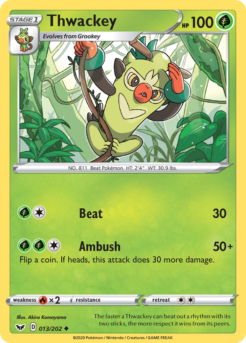
The faster a Thwackey can beat out a rhythm with its two sticks, the more respect it wins from its peers.
Sword & Shield
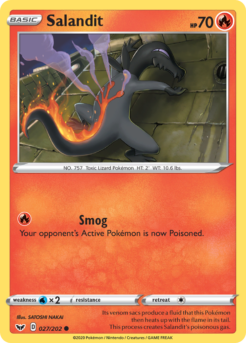
Its venom sacs produce a fluid that this Pokémon then heats up with the flame in its tail. This process creates Salandit's poisonous gas.