



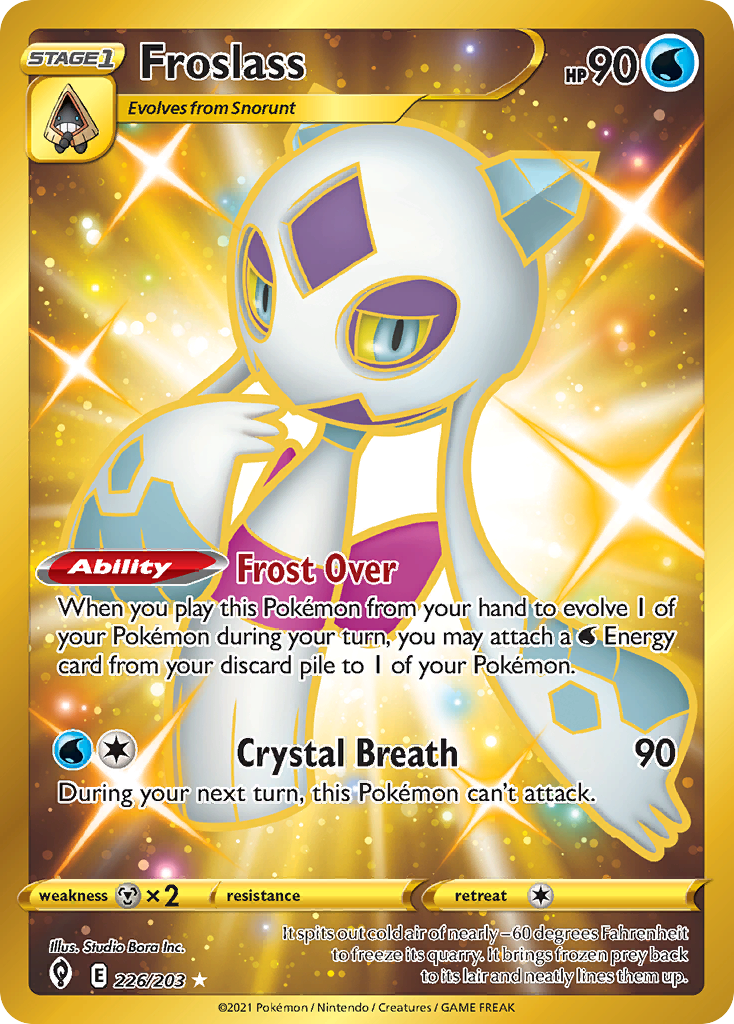
Froslass
It spits out cold air of nearly -60 degrees Fahrenheit to freeze its quarry. It brings frozen prey back to its lair and neatly lines them up.
During your next turn, this Pokémon can’t attack.
| Supertype | Pokémon |
|---|---|
| Subtype | Stage 1 |
| HP | 90 |
| Types | Water |
| Attack | Crystal Breath |
| Attack cost | Water |
| Artist | Studio Bora Inc. |
| Rarity | Rare Secret |
| Pokédex | 478 |
| Evolves from | Snorunt |
Vendor Information
- Store Name: DutchGem
- Vendor: DutchGem
-
Address:
gekkestraat
179
2345GT Utrecht
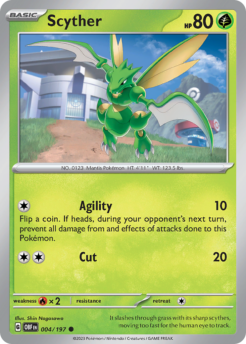
Obsidian Flames
It slashes through grass with its sharp scythes, moving too fast for the human eye to track.
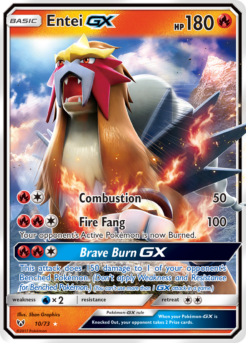
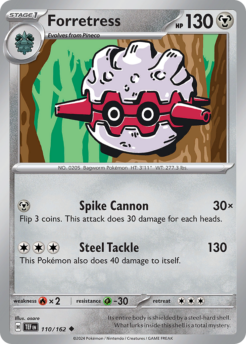
Scarlet & Violet
Its entire body is shielded by a steel-hard shell. What lurks inside this shell is a total mystery.
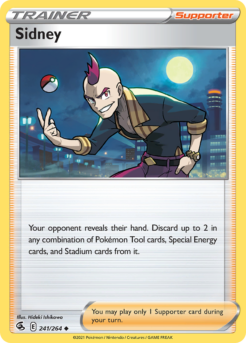
Scarlet & Violet
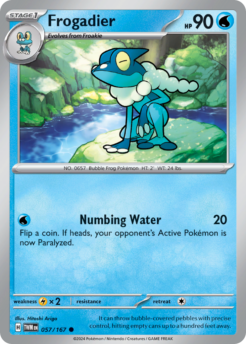
It can throw bubble-covered pebbles with precise control, hitting empty cans up to a hundred feet away.
Burning Shadows
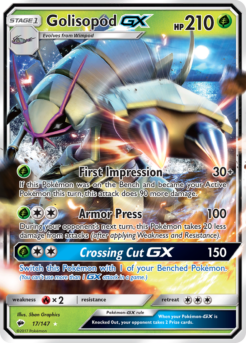
If this Pokémon was on the Bench and became your Active Pokémon this turn, this attack does 90 more damage.
Related products
Sword & Shield
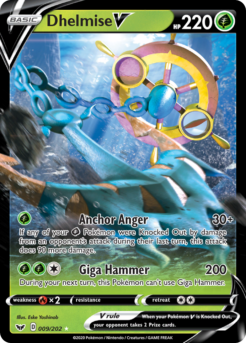
If any of your Grass Pokémon were Knocked Out by damage from an opponent’s attack during their last turn, this attack does 90 more damage.
Sword & Shield
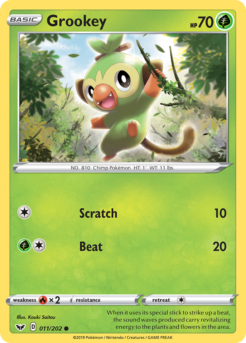
When it uses its special stick to strike up a beat, the sound waves produced carry revitalizing energy to the plants and flowers in the area.
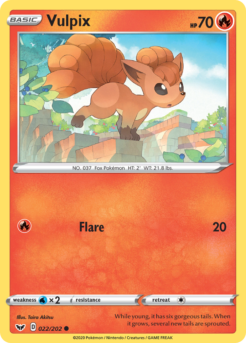
Sword & Shield
While young, it has six gorgeous tails. When it grows, several new tails are sprouted.
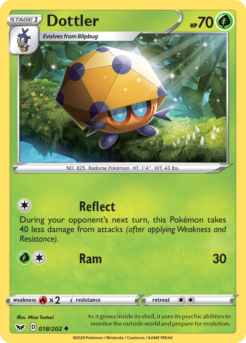
Sword & Shield
As it grows inside its shell, it uses its psychic abilities to monitor the outside world and prepare for evolution.
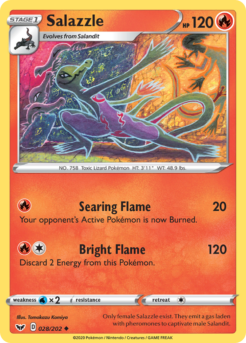
Sword & Shield
Only female Salazzle exist. They emit a gas laden with pheromones to captivate male Salandit.
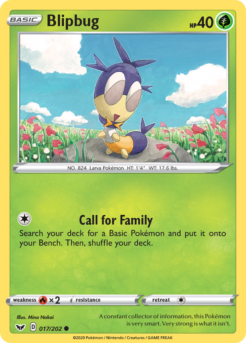
Sword & Shield
A constant collector of information, this Pokémon is very smart. Very strong is what it isn't.
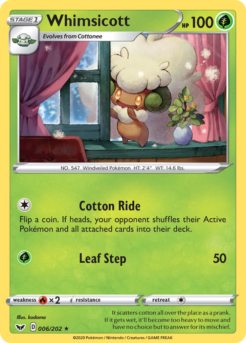
Sword & Shield
It scatters cotton all over the place as a prank. If it gets wet, it'll become too heavy to move and have no choice but to answer for its mischief.
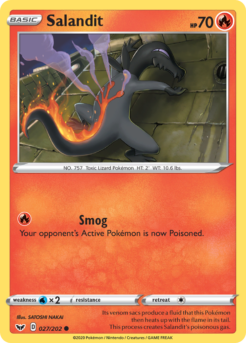
Sword & Shield
Its venom sacs produce a fluid that this Pokémon then heats up with the flame in its tail. This process creates Salandit's poisonous gas.