



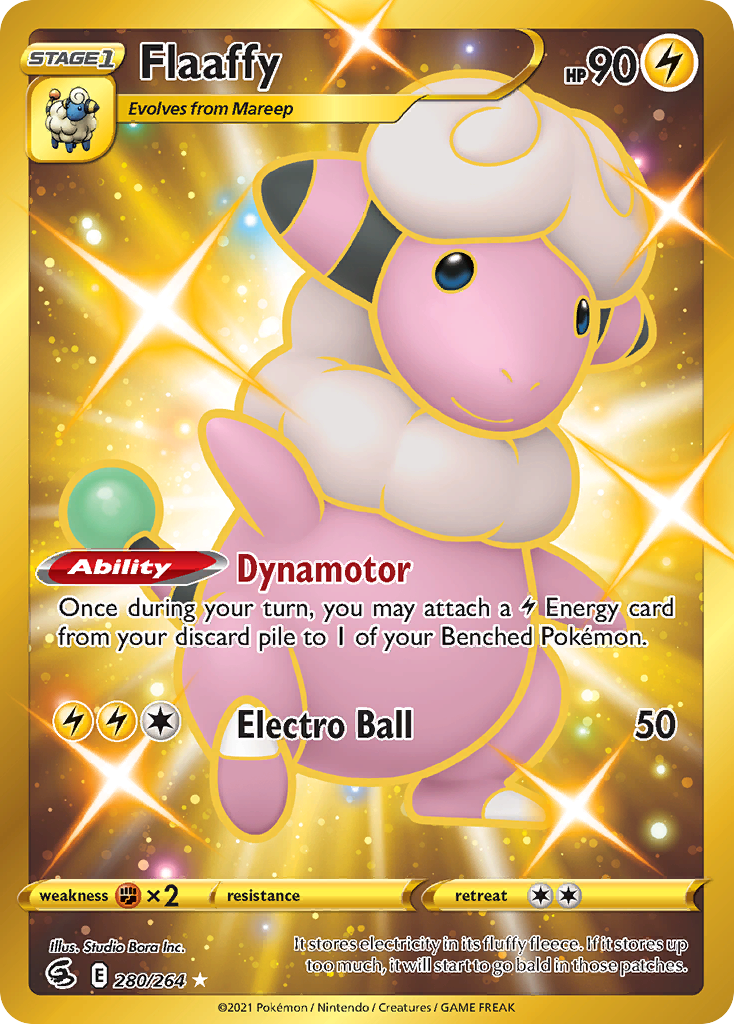
Flaaffy


It stores electricity in its fluffy fleece. If it stores up too much, it will start to go bald in those patches.

| Supertype | Pokémon |
|---|---|
| Subtype | Stage 1 |
| HP | 90 |
| Types | Lightning |
| Attack | Electro Ball |
| Attack cost | Lightning |
| Artist | Studio Bora Inc. |
| Rarity | Rare Secret |
| Pokédex | 180 |
| Evolves from | Mareep |
| Evolves to | Ampharos |
Vendor Information
- Store Name: DutchGem
- Vendor: DutchGem
-
Address:
gekkestraat
179
2345GT Utrecht
Scarlet & Violet
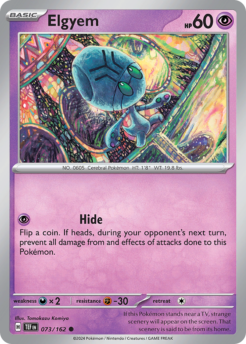
If this Pokémon stands near a TV, strange scenery will appear on the screen. That scenery is said to be from its home.
Scarlet & Violet
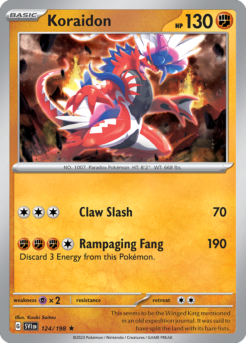
This seems to be the Winged King mentioned in an old expedition journal. It was said to have split the land with its bare fists.
Primal Clash
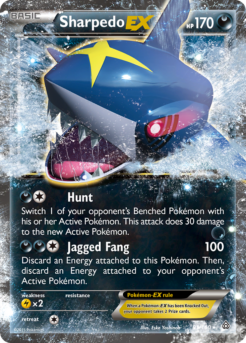
Switch 1 of your opponent’s Benched Pokémon with his or her Active Pokémon. This attack does 30 damage to the new Active Pokémon.
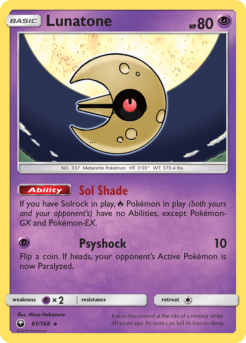
Celestial Storm
It was discovered at the site of a meteor strike 40 years ago. Its stare can lull its foes to sleep.
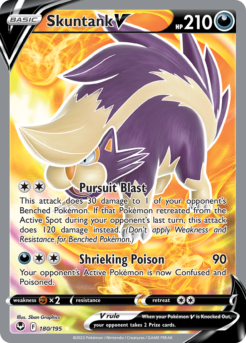
Silver Tempest
This attack does 30 damage to 1 of your opponent’s Benched Pokémon. If that Pokémon retreated from the Active Spot during your opponent’s last turn, this attack does 120 damage instead. (Don’t apply Weakness and Resistance for Benched Pokémon.)

Evolutions
This attack does 30 damage to 2 of your opponent’s Benched Pokémon. (Don’t apply Weakness and Resistance for Benched Pokémon.)
Related products

Sword & Shield
There's a hole in its tail that allows it to draw in the air it needs to keep its fire burning. If the hole gets blocked, this Pokémon will fall ill.
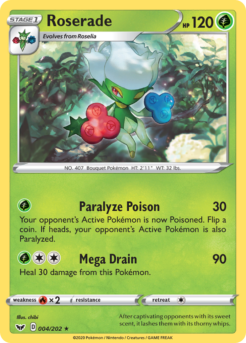
Sword & Shield
After captivating opponents with its sweet scent, it lashes them with its thorny whips.
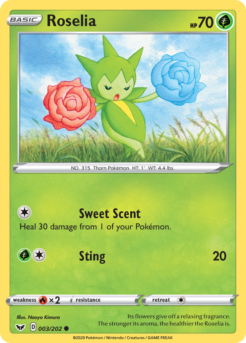
Sword & Shield
Its flowers give off a relaxing fragrance. The stronger its aroma, the healthier the Roselia is.
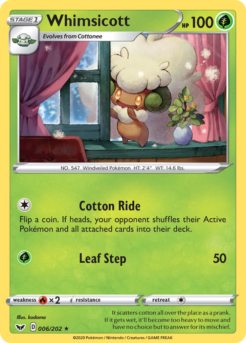
Sword & Shield
It scatters cotton all over the place as a prank. If it gets wet, it'll become too heavy to move and have no choice but to answer for its mischief.
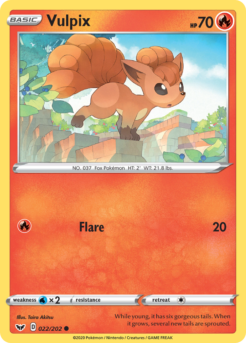
Sword & Shield
While young, it has six gorgeous tails. When it grows, several new tails are sprouted.
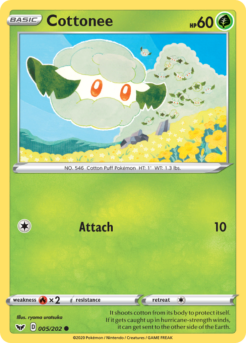
Sword & Shield
It shoots cotton from its body to protect itself. If it gets caught up in hurricane-strength winds, it can get sent to the other side of the Earth.
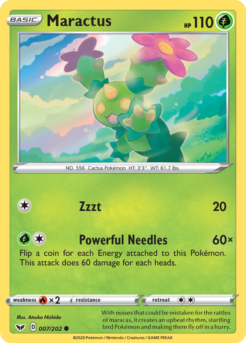
Sword & Shield
With noises that could be mistaken for the rattles of maracas, it creates an upbeat rhythm, startling bird Pokémon and making them fly off in a hurry.
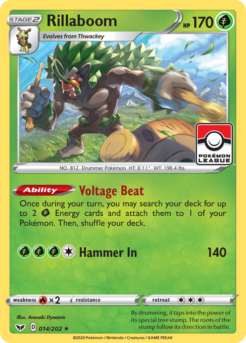
Sword & Shield
By drumming, it taps into the power of its special tree stump. The roots of the stump follow its direction in battle.