



Cyndaquil
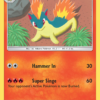

It has a timid nature. If it is startled, the flames on its back burn more vigorously.
| Supertype | Pokémon |
|---|---|
| Subtype | Basic |
| HP | 70 |
| Types | Fire |
| Attack | Hammer In |
| Attack cost | Colorless |
| Artist | kirisAki |
| Rarity | Common |
| Pokédex | 155 |
| Evolves to | Quilava |
Vendor Information
- Store Name: DutchGem
- Vendor: DutchGem
-
Address:
gekkestraat
179
2345GT Utrecht
Scarlet & Violet
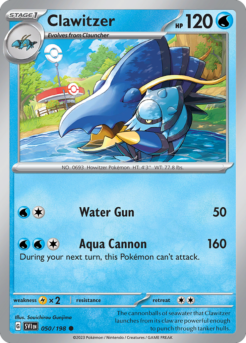
The cannonballs of seawater that Clawitzer launches from its claw are powerful enough to punch through tanker hulls.

Evolutions
Switch this Pokémon with 1 of your Benched Pokémon. Then, your opponent switches his or her Active Pokémon with 1 of his or her Benched Pokémon.

Paradox Rift
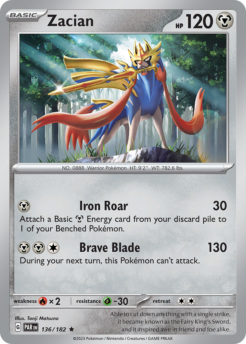
Able to cut down anything with a single strike, it became known as the Fairy King's Sword, and it inspired awe in friend and foe alike.
Sun & Moon
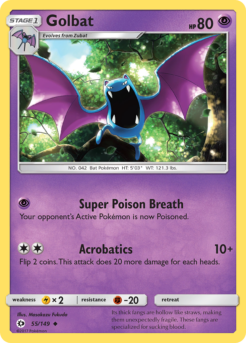
Its thick fangs are hollow like straws, making them unexpectedly fragile. These fangs are specialized for sucking blood.
Kalos Starter Set
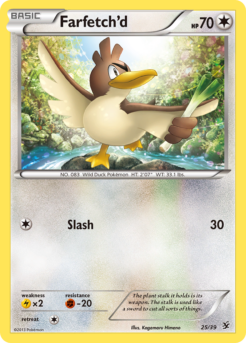
The plant stalk it holds is its weapon. The stalk is used like a sword to cut all sorts of things.
Related products

Sun & Moon
It is said that the red part of its forehead grants supernatural powers to those who posses one, so it was over-hunted in the past.
Sun & Moon
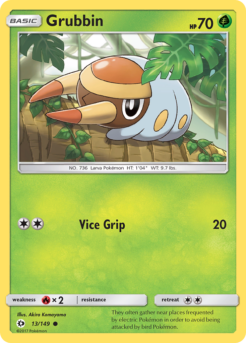
They often gather near places frequented by electric Pokémon in order to avoid being attacked by bird Pokémon.
Sun & Moon
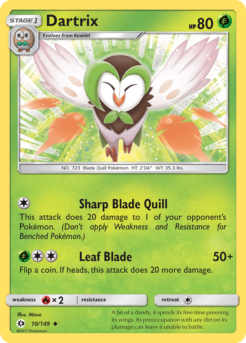
A bit of a dandy, it spends its free time preening its wings. Its preoccupation with any dirt on its plumage can leave it unable to battle.
Sun & Moon
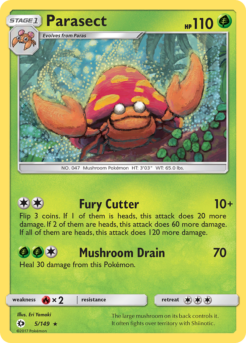
The large mushroom on its back controls it. It often fights over territory with Shiinotic.

Sun & Moon
Its wings and antennae don't cope well with moisture. After a rain, it faces sunward to dry off.
Sun & Moon
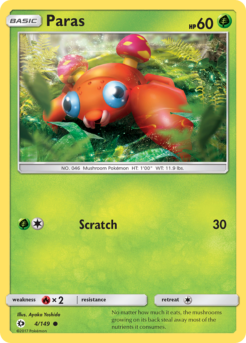
No matter how much it eats, the mushrooms growing on its back steal away most of the nutrients it consumes.