



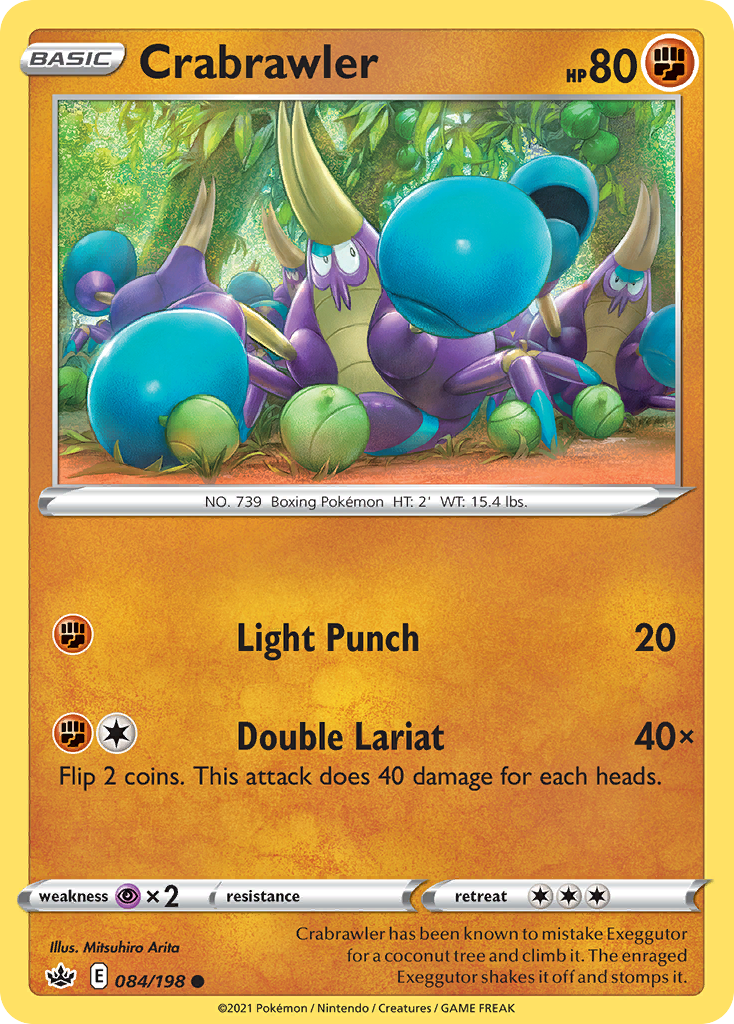
Crabrawler
Crabrawler has been known to mistake Exeggutor for a coconut tree and climb it. The enraged Exeggutor shakes it off and stomps it.
| Supertype | Pokémon |
|---|---|
| Subtype | Basic |
| HP | 80 |
| Types | Fighting |
| Attack | Light Punch |
| Attack cost | Fighting |
| Artist | Mitsuhiro Arita |
| Rarity | Common |
| Pokédex | 739 |
| Evolves to | Crabominable |
Vendor Information
- Store Name: DutchGem
- Vendor: DutchGem
-
Address:
gekkestraat
179
2345GT Utrecht
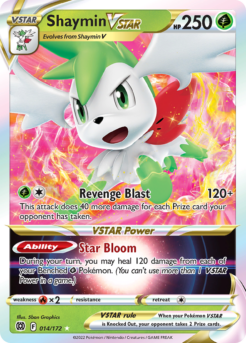
Brilliant Stars
This attack does 40 more damage for each Prize card your opponent has taken.
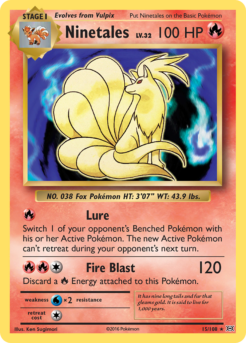
Evolutions
It has nine long tails and fur that gleams gold. It is said to live for 1,000 years.
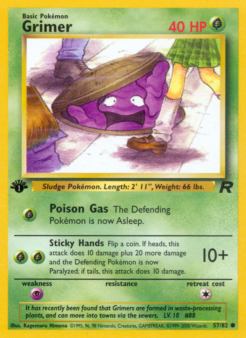
Base
It has recently been found that Grimers are formed in waste-processing plants, and can move into towns via sewers.
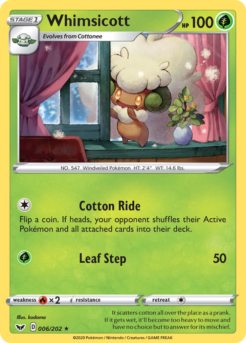
Sword & Shield
It scatters cotton all over the place as a prank. If it gets wet, it'll become too heavy to move and have no choice but to answer for its mischief.
Sun & Moon
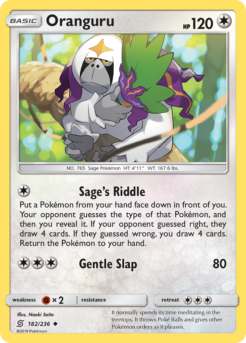
It normally spends its time meditating in the treetops. It throws Poké Balls and gives other Pokémon orders as it pleases.
Base
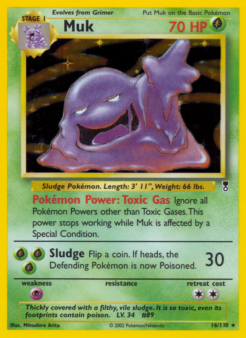
Thickly covered with a filthy, vile sludge. It is so toxic, even its footprints contain poison.
Related products
Sword & Shield
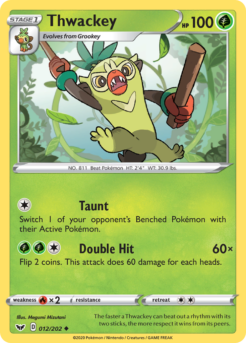
The faster a Thwackey can beat out a rhythm with its two sticks, the more respect it wins from its peers.
Sword & Shield
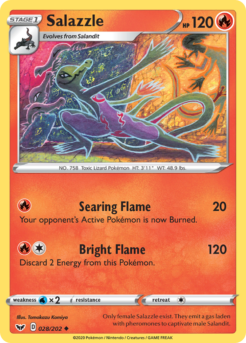
Only female Salazzle exist. They emit a gas laden with pheromones to captivate male Salandit.
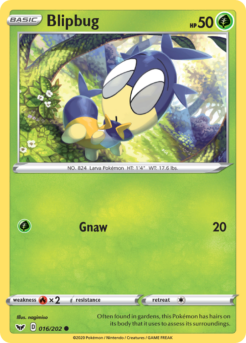
Sword & Shield
Often found in gardens, this Pokémon has hairs on its body that it uses to assess its surroundings.
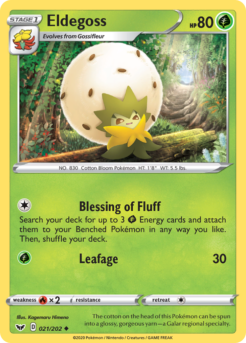
Sword & Shield
The cotton on the head of this Pokémon can be spun into a glossy, gorgeous yarn—a Galar regional specialty.
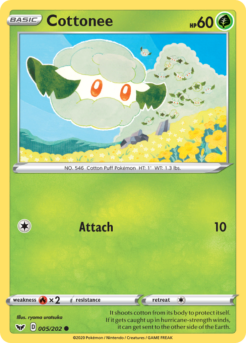
Sword & Shield
It shoots cotton from its body to protect itself. If it gets caught up in hurricane-strength winds, it can get sent to the other side of the Earth.
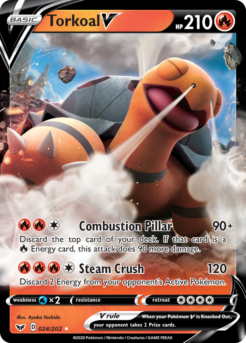
Sword & Shield
Discard the top card of your deck. If that card is a Fire Energy card, this attack does 90 more damage.
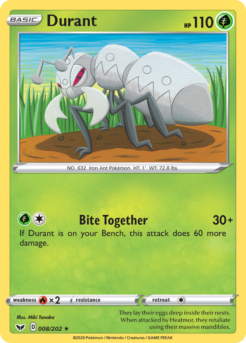
Sword & Shield
They lay their eggs deep inside their nests. When attacked by Heatmor, they retaliate using their massive mandibles.
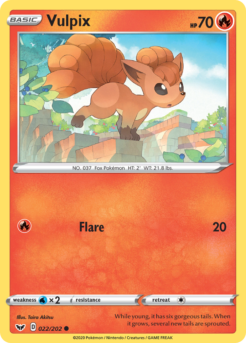
Sword & Shield
While young, it has six gorgeous tails. When it grows, several new tails are sprouted.