



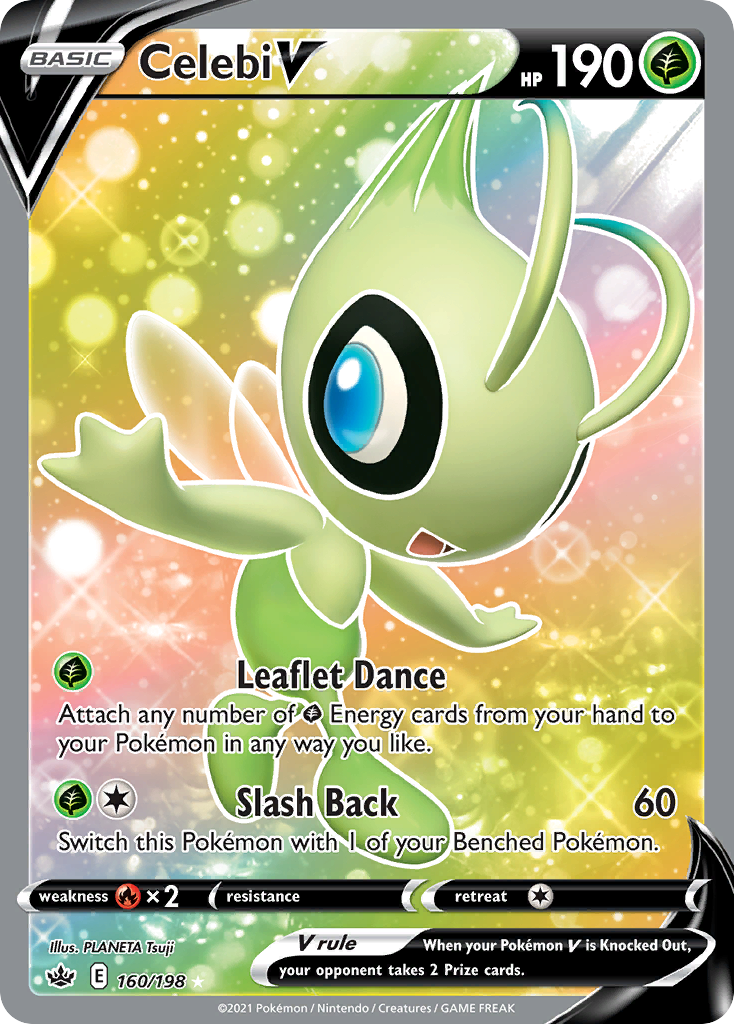
Attach any number of Grass Energy cards from your hand to your Pokémon in any way you like.
| Supertype | Pokémon |
|---|---|
| Subtype | Basic |
| HP | 190 |
| Types | Grass |
| Attack | Leaflet Dance |
| Attack cost | Grass |
| Artist | PLANETA Tsuji |
| Rarity | Rare Ultra |
| Pokédex | 251 |
Vendor Information
- Store Name: DutchGem
- Vendor: DutchGem
-
Address:
gekkestraat
179
2345GT Utrecht
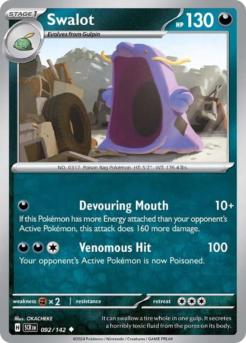
Scarlet & Violet
If this Pokémon has more Energy attached than your opponent’s Active Pokémon, this attack does 160 more damage.
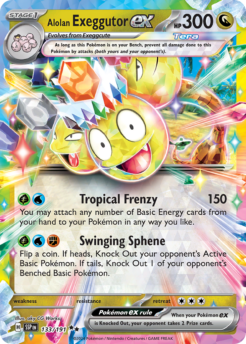
Scarlet & Violet
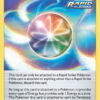
You may attach any number of Basic Energy cards from your hand to your Pokémon in any way you like.
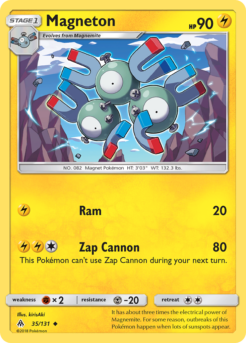
Forbidden Light
It has about three times the electrical power of Magnemite. For some reason, outbreaks of this Pokémon happen when lots of sunspots appear.
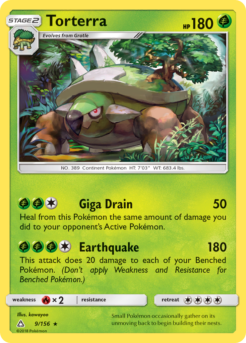
Sun & Moon
Small Pokémon occasionally gather on its unmoving back to begin building their nests.
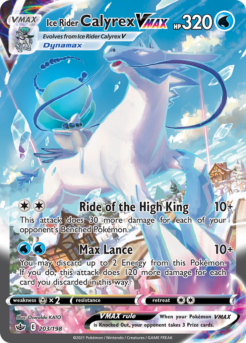
Chilling Reign
This attack does 30 more damage for each of your opponent’s Benched Pokémon.
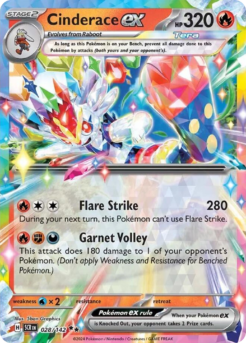
Related products
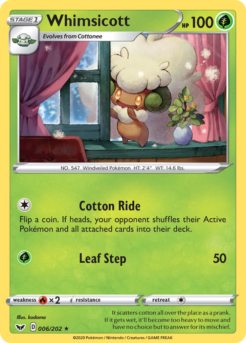
Sword & Shield
It scatters cotton all over the place as a prank. If it gets wet, it'll become too heavy to move and have no choice but to answer for its mischief.
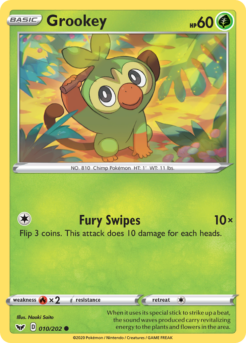
Sword & Shield
When it uses its special stick to strike up a beat, the sound waves produced carry revitalizing energy to the plants and flowers in the area.
Sword & Shield
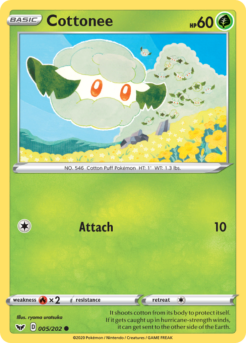
It shoots cotton from its body to protect itself. If it gets caught up in hurricane-strength winds, it can get sent to the other side of the Earth.
Sword & Shield
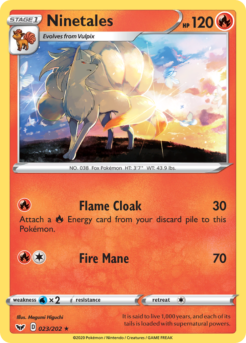
It is said to live 1,000 years, and each of its tails is loaded with supernatural powers.
Sword & Shield
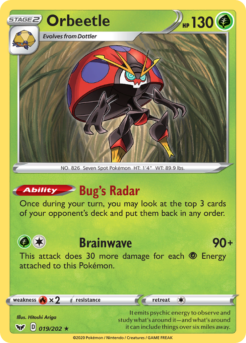
It emits psychic energy to observe and study what's around it—and what's around it can include things over six miles away.
Sword & Shield
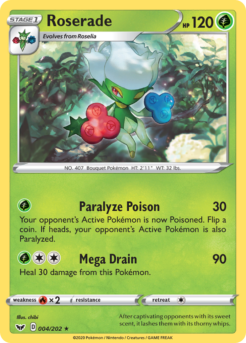
After captivating opponents with its sweet scent, it lashes them with its thorny whips.
Sword & Shield
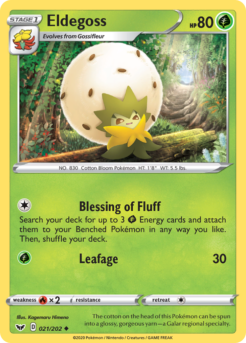
The cotton on the head of this Pokémon can be spun into a glossy, gorgeous yarn—a Galar regional specialty.
Sword & Shield
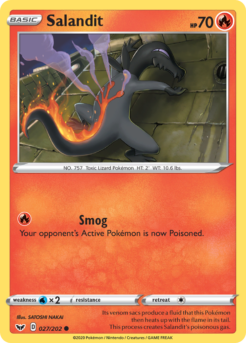
Its venom sacs produce a fluid that this Pokémon then heats up with the flame in its tail. This process creates Salandit's poisonous gas.