



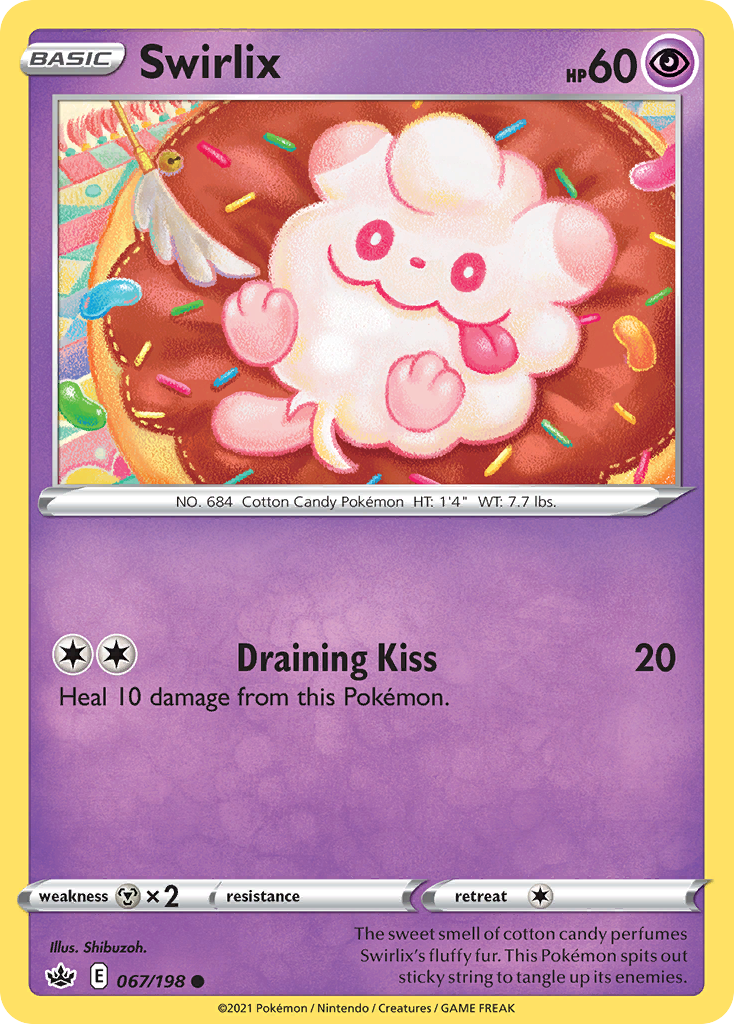
Swirlix
The sweet smell of cotton candy perfumes Swirlix’s fluffy fur. This Pokémon spits out sticky string to tangle up its enemies.
Heal 10 damage from this Pokémon.
| Supertype | Pokémon |
|---|---|
| Subtype | Basic |
| HP | 60 |
| Types | Psychic |
| Attack | Draining Kiss |
| Attack cost | Colorless |
| Artist | Shibuzoh. |
| Rarity | Common |
| Pokédex | 684 |
| Evolves to | Slurpuff |
Vendor Information
- Store Name: DutchGem
- Vendor: DutchGem
-
Address:
gekkestraat
179
2345GT Utrecht
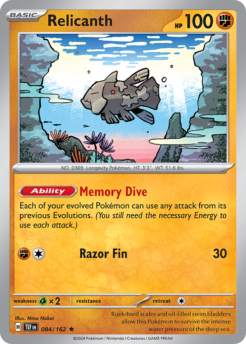
Scarlet & Violet
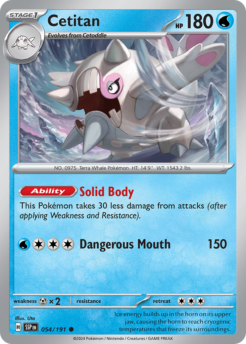
Rock-hard scales and oil-filled swim bladders allow this Pokémon to survive the intense water pressure of the deep sea.
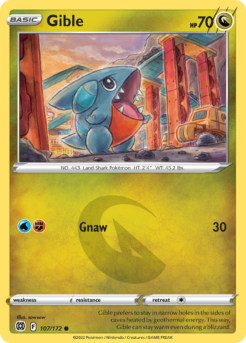
Brilliant Stars
Gible prefers to stay in narrow holes in the sides of caves heated by geothermal energy. This way, Gible can stay warm even during a blizzard.
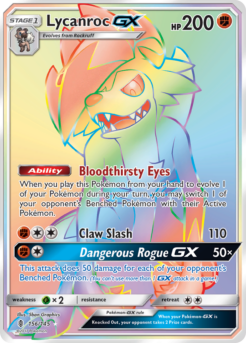
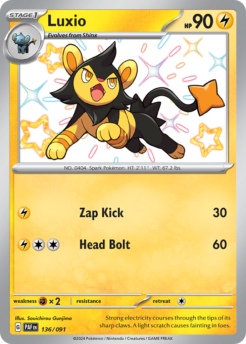
Paldean Fates
Strong electricity courses through the tips of its sharp claws. A light scratch causes fainting in foes.
Evolving Skies
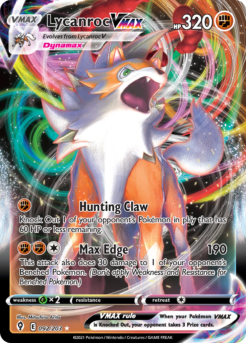
Knock Out 1 of your opponent’s Pokémon in play that has 60 HP or less remaining.
Related products
Sword & Shield
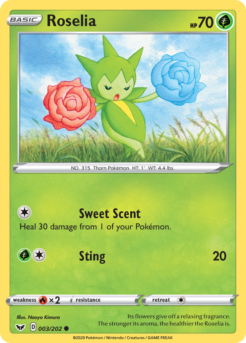
Its flowers give off a relaxing fragrance. The stronger its aroma, the healthier the Roselia is.
Sword & Shield
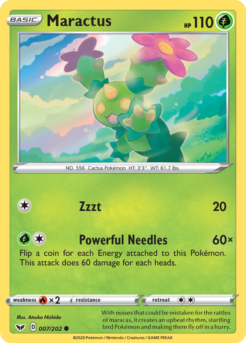
With noises that could be mistaken for the rattles of maracas, it creates an upbeat rhythm, startling bird Pokémon and making them fly off in a hurry.
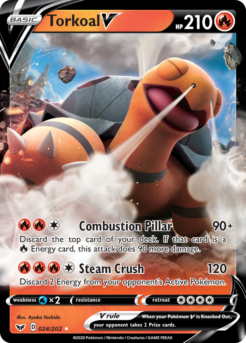
Sword & Shield
Discard the top card of your deck. If that card is a Fire Energy card, this attack does 90 more damage.
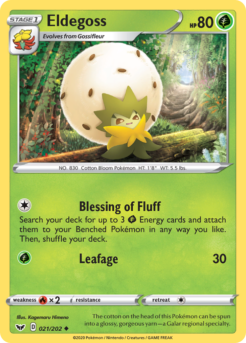
Sword & Shield
The cotton on the head of this Pokémon can be spun into a glossy, gorgeous yarn—a Galar regional specialty.
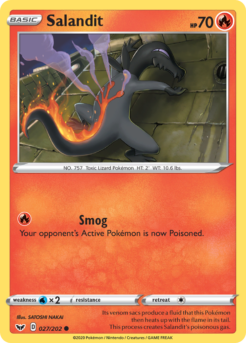
Sword & Shield
Its venom sacs produce a fluid that this Pokémon then heats up with the flame in its tail. This process creates Salandit's poisonous gas.
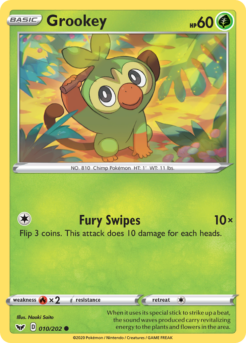
Sword & Shield
When it uses its special stick to strike up a beat, the sound waves produced carry revitalizing energy to the plants and flowers in the area.
Sword & Shield
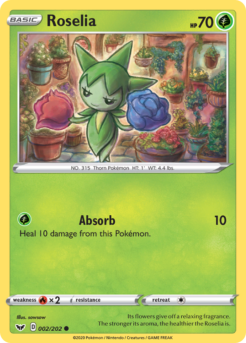
Its flowers give off a relaxing fragrance. The stronger its aroma, the healthier the Roselia is.
Sword & Shield
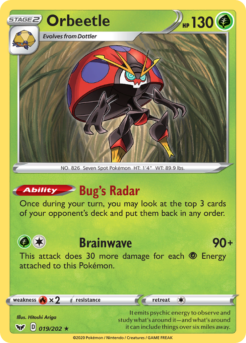
It emits psychic energy to observe and study what's around it—and what's around it can include things over six miles away.