



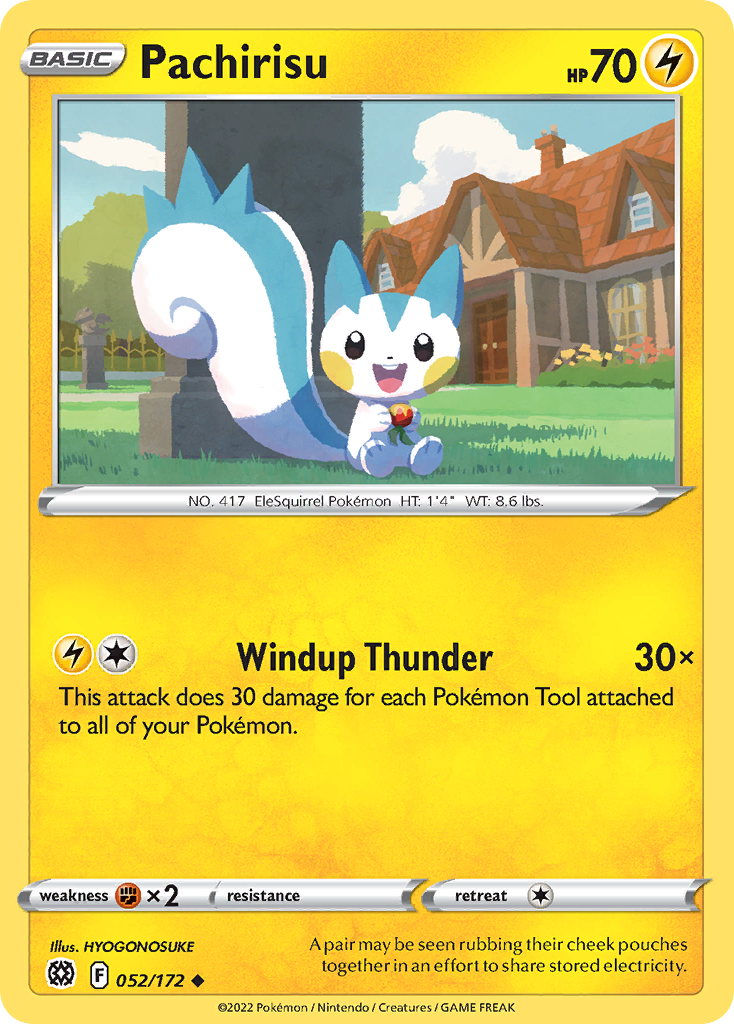
Pachirisu
A pair may be seen rubbing their cheek pouches together in an effort to share stored electricity.

This attack does 30 damage for each Pokémon Tool attached to all of your Pokémon.
| Supertype | Pokémon |
|---|---|
| Subtype | Basic |
| HP | 70 |
| Types | Lightning |
| Attack | Windup Thunder |
| Attack cost | Lightning |
| Artist | HYOGONOSUKE |
| Rarity | Uncommon |
| Pokédex | 417 |
Vendor Information
- Store Name: DutchGem
- Vendor: DutchGem
-
Address:
gekkestraat
179
2345GT Utrecht

Evolving Skies
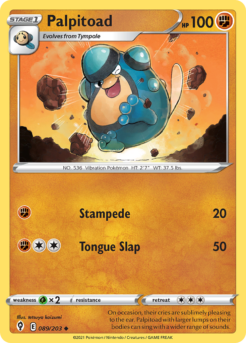
On occasion, their cries are sublimely pleasing to the ear. Palpitoad with larger lumps on their bodies can sing with a wider range of sounds.

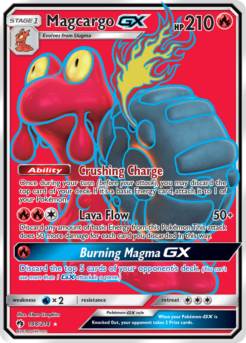
Lost Thunder
Discard any amount of basic Energy from this Pokémon. This attack does 50 more damage for each card you discarded in this way.
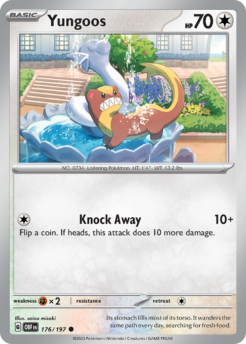
Obsidian Flames
Its stomach fills most of its torso. It wanders the same path every day, searching for fresh food.
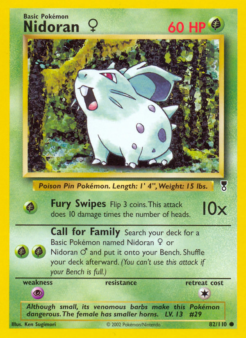
Base
Although small, its venomous barbs make this Pokémon dangerous. The female has smaller horns.
Related products
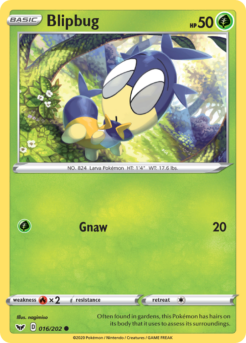
Sword & Shield
Often found in gardens, this Pokémon has hairs on its body that it uses to assess its surroundings.
Sword & Shield
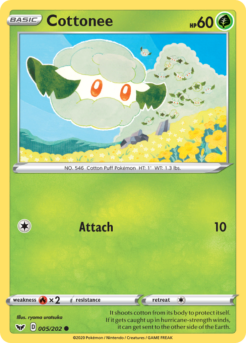
It shoots cotton from its body to protect itself. If it gets caught up in hurricane-strength winds, it can get sent to the other side of the Earth.
Sword & Shield
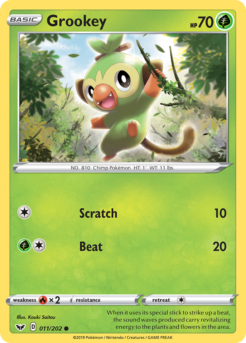
When it uses its special stick to strike up a beat, the sound waves produced carry revitalizing energy to the plants and flowers in the area.
Sword & Shield
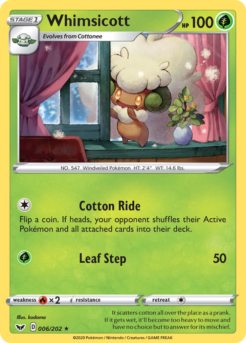
It scatters cotton all over the place as a prank. If it gets wet, it'll become too heavy to move and have no choice but to answer for its mischief.
Sword & Shield
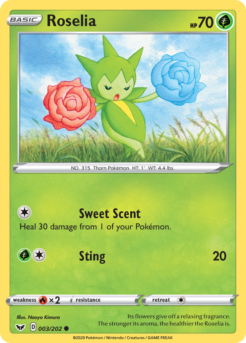
Its flowers give off a relaxing fragrance. The stronger its aroma, the healthier the Roselia is.
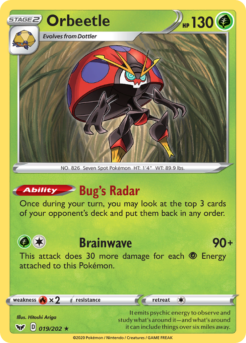
Sword & Shield
It emits psychic energy to observe and study what's around it—and what's around it can include things over six miles away.
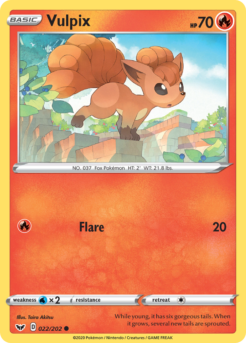
Sword & Shield
While young, it has six gorgeous tails. When it grows, several new tails are sprouted.
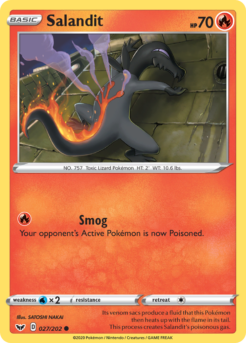
Sword & Shield
Its venom sacs produce a fluid that this Pokémon then heats up with the flame in its tail. This process creates Salandit's poisonous gas.