



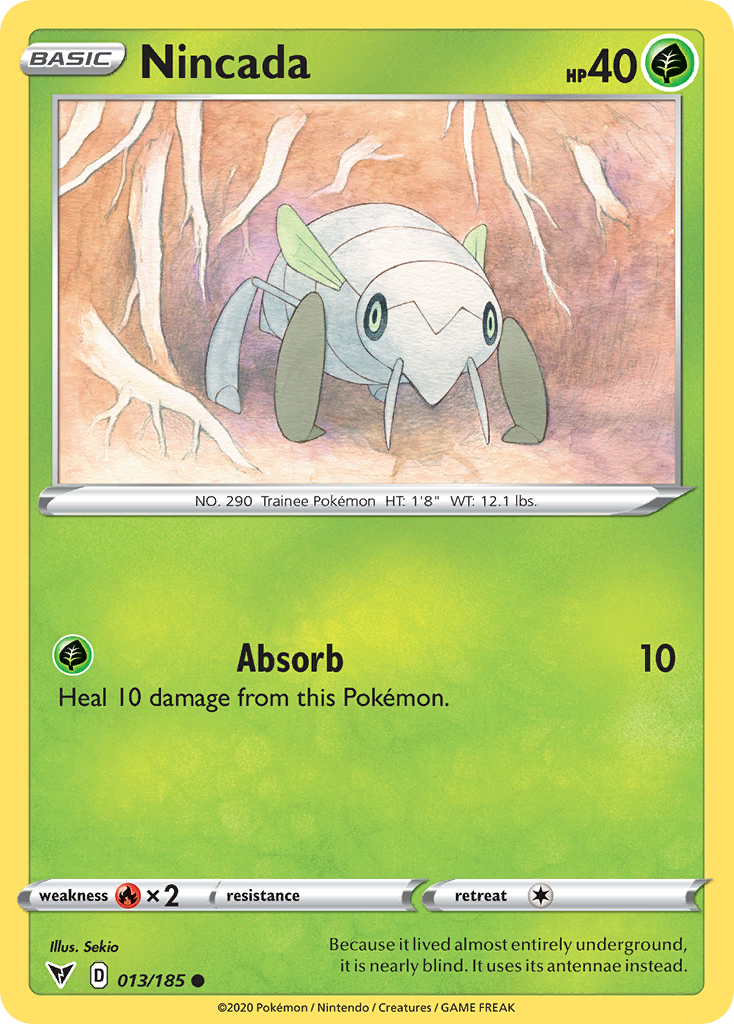
Nincada
Because it lived almost entirely underground, it is nearly blind. It uses its antennae instead.

Heal 10 damage from this Pokémon.
| Supertype | Pokémon |
|---|---|
| Subtype | Basic |
| HP | 40 |
| Types | Grass |
| Attack | Absorb |
| Attack cost | Grass |
| Artist | Sekio |
| Rarity | Common |
| Pokédex | 290 |
| Evolves to | Ninjask |
Vendor Information
- Store Name: DutchGem
- Vendor: DutchGem
-
Address:
gekkestraat
179
2345GT Utrecht
Scarlet & Violet
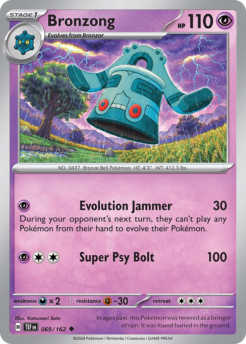
In ages past, this Pokémon was revered as a bringer of rain. It was found buried in the ground.
151
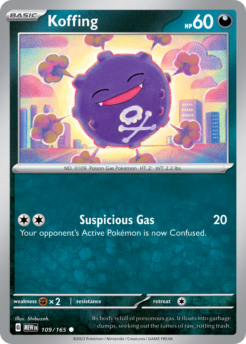
Its body is full of poisonous gas. It floats into garbage dumps, seeking out the fumes of raw, rotting trash.
Guardians Rising
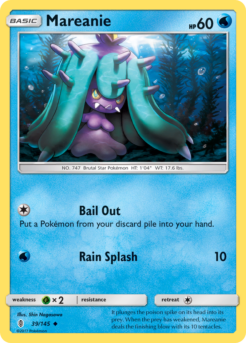
It plunges the poison spike on its head into its prey. When the prey has weakened, Mareanie deals the finishing blow with its 10 tentacles.

Scarlet & Violet
It runs as fast as lightning strikes, shredding its opponents with its high-voltage claws.
Related products
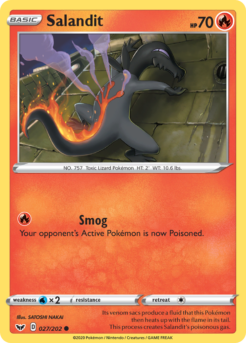
Sword & Shield
Its venom sacs produce a fluid that this Pokémon then heats up with the flame in its tail. This process creates Salandit's poisonous gas.
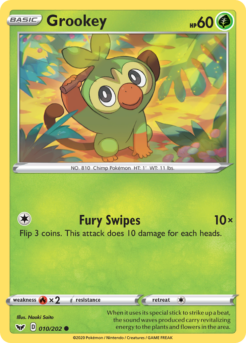
Sword & Shield
When it uses its special stick to strike up a beat, the sound waves produced carry revitalizing energy to the plants and flowers in the area.
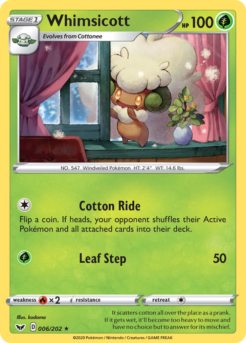
Sword & Shield
It scatters cotton all over the place as a prank. If it gets wet, it'll become too heavy to move and have no choice but to answer for its mischief.
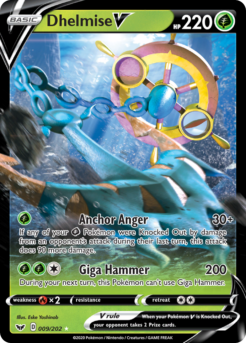
Sword & Shield
If any of your Grass Pokémon were Knocked Out by damage from an opponent’s attack during their last turn, this attack does 90 more damage.
Sword & Shield
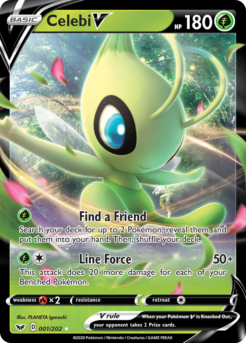
Search your deck for up to 2 Pokémon, reveal them, and put them into your hand. Then, shuffle your deck.
Sword & Shield
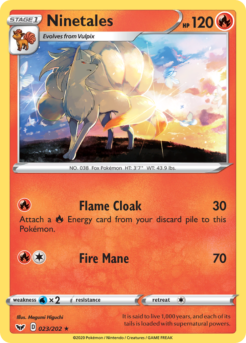
It is said to live 1,000 years, and each of its tails is loaded with supernatural powers.
Sword & Shield
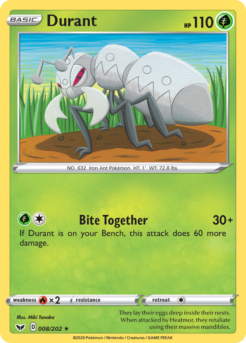
They lay their eggs deep inside their nests. When attacked by Heatmor, they retaliate using their massive mandibles.
Sword & Shield
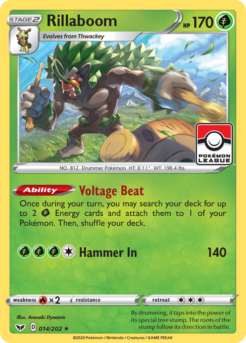
By drumming, it taps into the power of its special tree stump. The roots of the stump follow its direction in battle.