



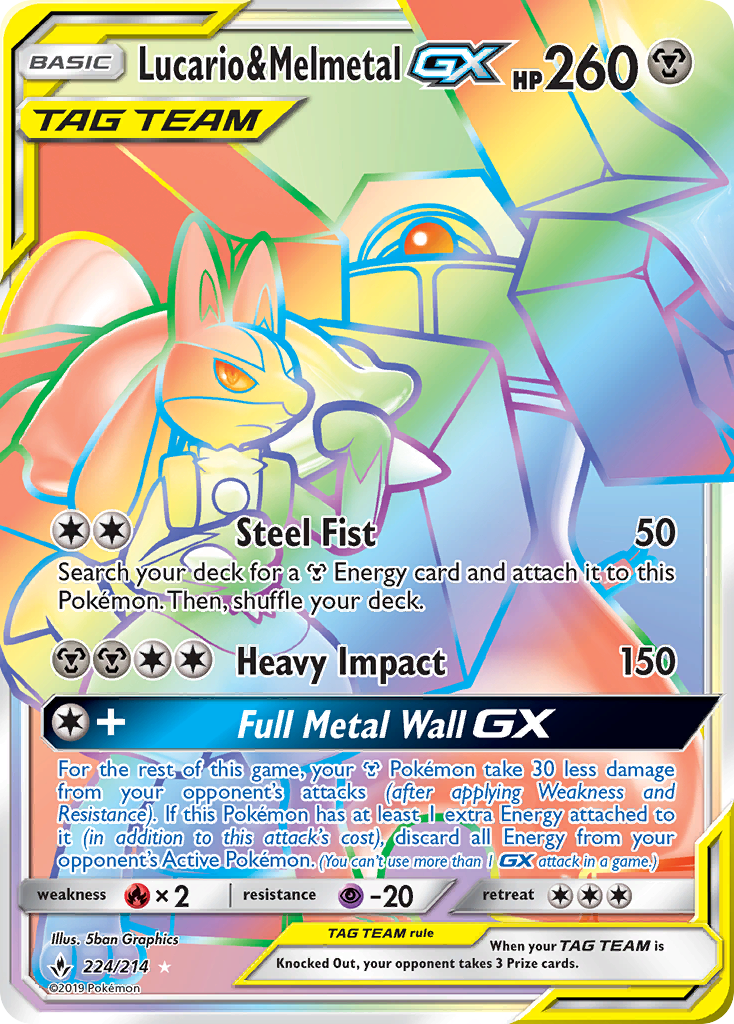



Search your deck for a Metal Energy card and attach it to this Pokémon. Then, shuffle your deck.
| Supertype | Pokémon |
|---|---|
| Subtype | Basic |
| HP | 260 |
| Types | Metal |
| Attack | Steel Fist |
| Attack cost | Colorless |
| Artist | 5ban Graphics |
| Rarity | Rare Rainbow |
| Pokédex | 448 |
Vendor Information
- Store Name: DutchGem
- Vendor: DutchGem
-
Address:
gekkestraat
179
2345GT Utrecht
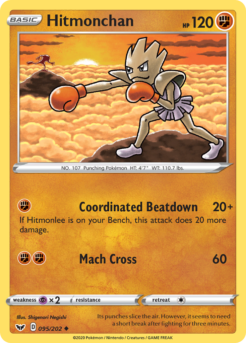
Sword & Shield
Its punches slice the air. However, it seems to need a short break after fighting for three minutes.
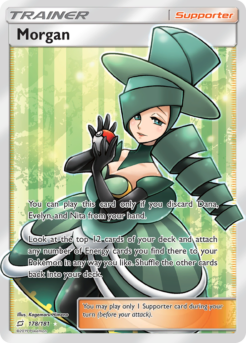
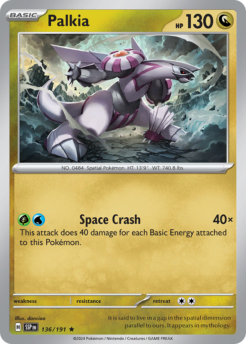
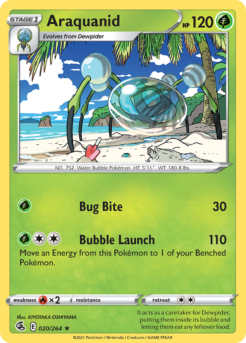
Fusion Strike
It acts as a caretaker for Dewpider, putting them inside its bubble and letting them eat any leftover food.
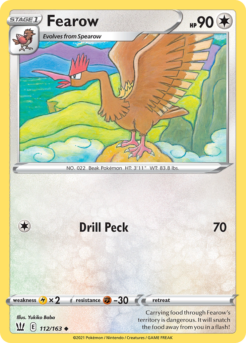
Battle Styles
Carrying food through Fearow's territory is dangerous. It will snatch the food away from you in a flash!
Related products
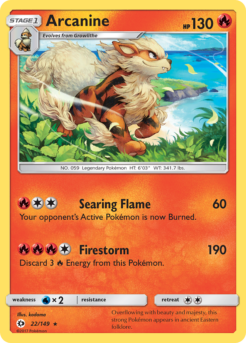
Sun & Moon
Overflowing with beauty and majesty, this strong Pokémon appears in ancient Eastern folklore.
Sun & Moon
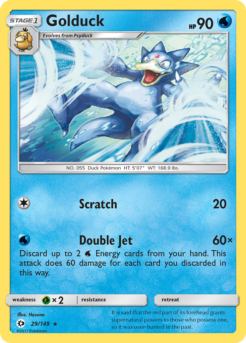
It is said that the red part of its forehead grants supernatural powers to those who posses one, so it was over-hunted in the past.
Sun & Moon
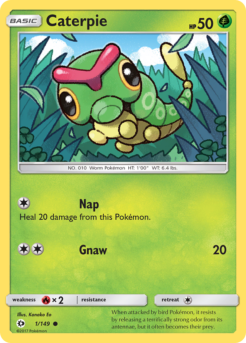
When attacked by bird Pokémon, it resists by releasing a terrifically strong odor from its antennae, but it often becomes their prey.
Sun & Moon
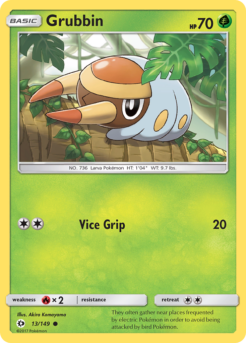
They often gather near places frequented by electric Pokémon in order to avoid being attacked by bird Pokémon.
Sun & Moon
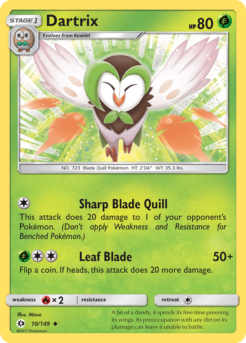
A bit of a dandy, it spends its free time preening its wings. Its preoccupation with any dirt on its plumage can leave it unable to battle.
Sun & Moon
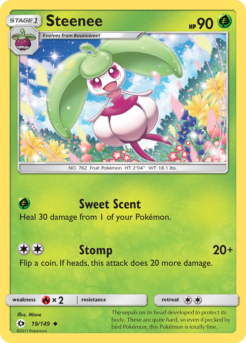
The sepals on its head developed to protect its body. These are quite hard, so even if pecked by bird Pokémon, this Pokémon is totally fine.
Sun & Moon
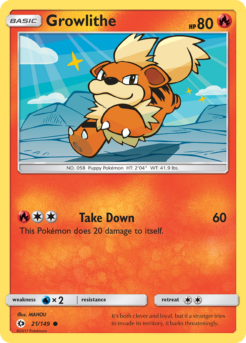
It's both clever and loyal, but if a stranger tries to invade its territory, it barks threateningly.
Sun & Moon
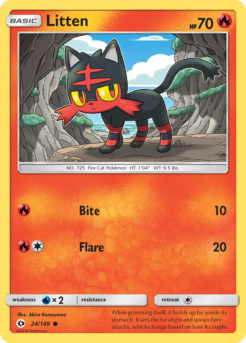
While grooming itself, it builds up fur inside its stomach. It sets the fur alight and spews fiery attacks, which change based on how it coughs.