



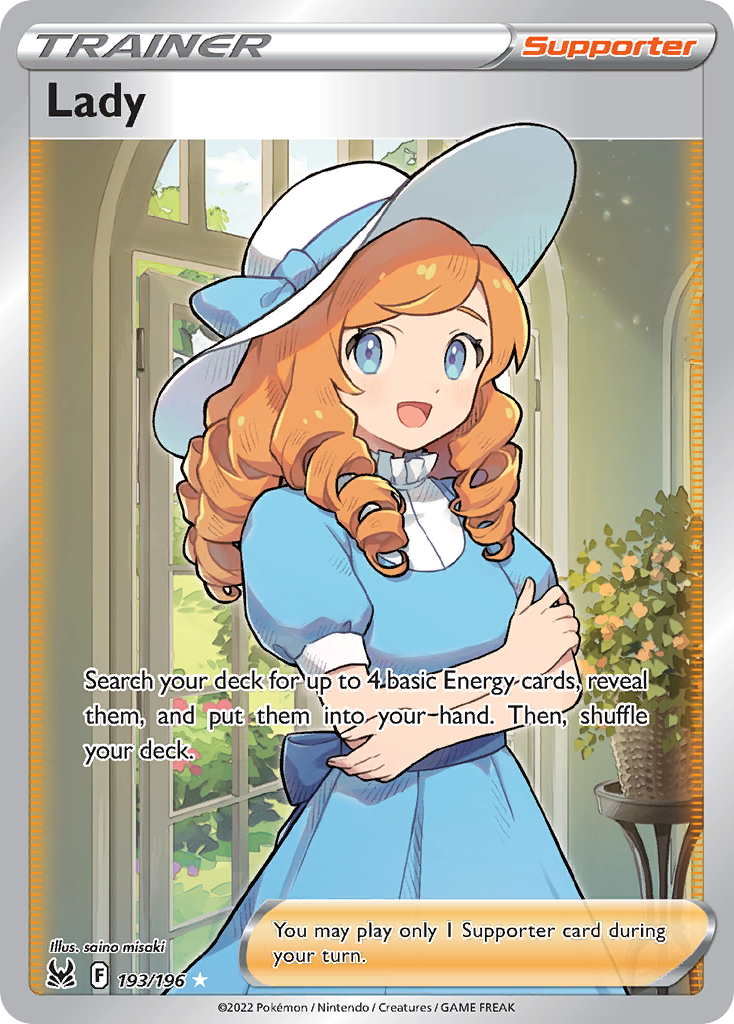

| Supertype | Trainer |
|---|---|
| Subtype | Supporter |
| Artist | saino misaki |
| Rarity | Rare Ultra |
Vendor Information
- Store Name: DutchGem
- Vendor: DutchGem
-
Address:
gekkestraat
179
2345GT Utrecht
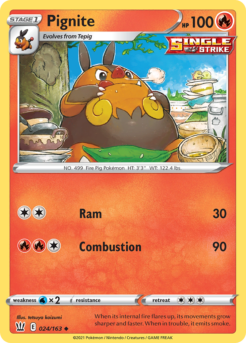
Battle Styles
When its internal fire flares up, its movements grow sharper and faster. When in trouble, it emits smoke.
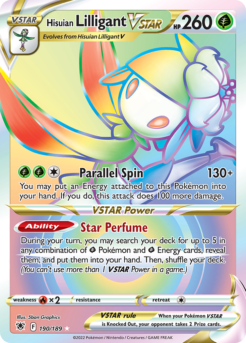
Astral Radiance
You may put an Energy attached to this Pokémon into your hand. If you do, this attack does 100 more damage.
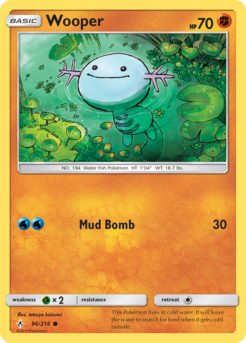
Sun & Moon
This Pokémon lives in cold water. It will leave the water to search for food when it gets cold outside.
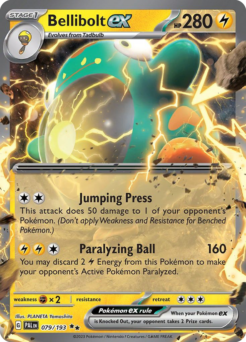
Paldea Evolved
This attack does 50 damage to 1 of your opponent’s Pokémon. (Don’t apply Weakness and Resistance for Benched Pokémon.)
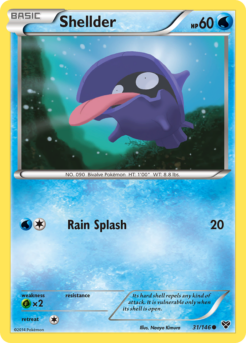
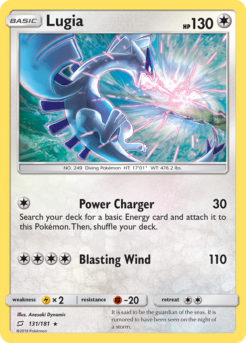
Sun & Moon
It is said to be the guardian of the seas. It is rumored to have been seen on the night of a storm.
Related products
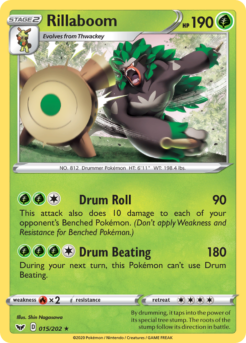
Sword & Shield
By drumming, it taps into the power of its special tree stump. The roots of the stump follow its direction in battle.
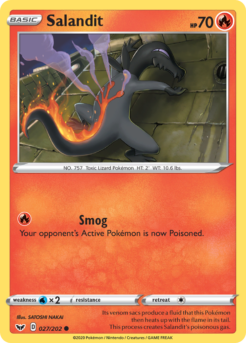
Sword & Shield
Its venom sacs produce a fluid that this Pokémon then heats up with the flame in its tail. This process creates Salandit's poisonous gas.
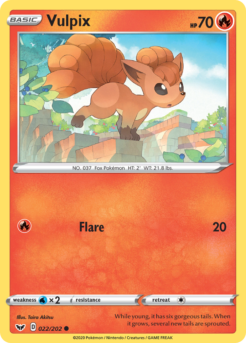
Sword & Shield
While young, it has six gorgeous tails. When it grows, several new tails are sprouted.
Sword & Shield
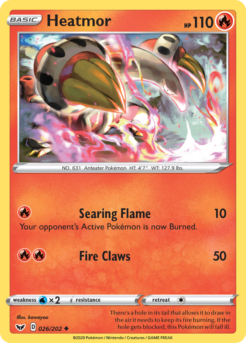
There's a hole in its tail that allows it to draw in the air it needs to keep its fire burning. If the hole gets blocked, this Pokémon will fall ill.
Sword & Shield
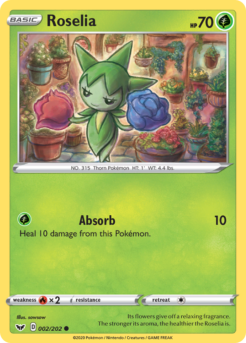
Its flowers give off a relaxing fragrance. The stronger its aroma, the healthier the Roselia is.
Sword & Shield
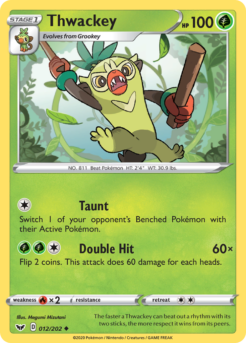
The faster a Thwackey can beat out a rhythm with its two sticks, the more respect it wins from its peers.
Sword & Shield
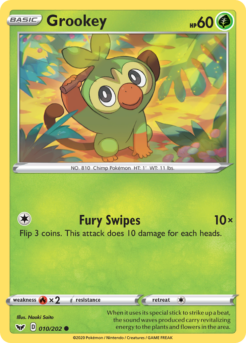
When it uses its special stick to strike up a beat, the sound waves produced carry revitalizing energy to the plants and flowers in the area.
Sword & Shield
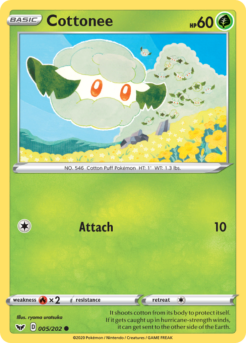
It shoots cotton from its body to protect itself. If it gets caught up in hurricane-strength winds, it can get sent to the other side of the Earth.