



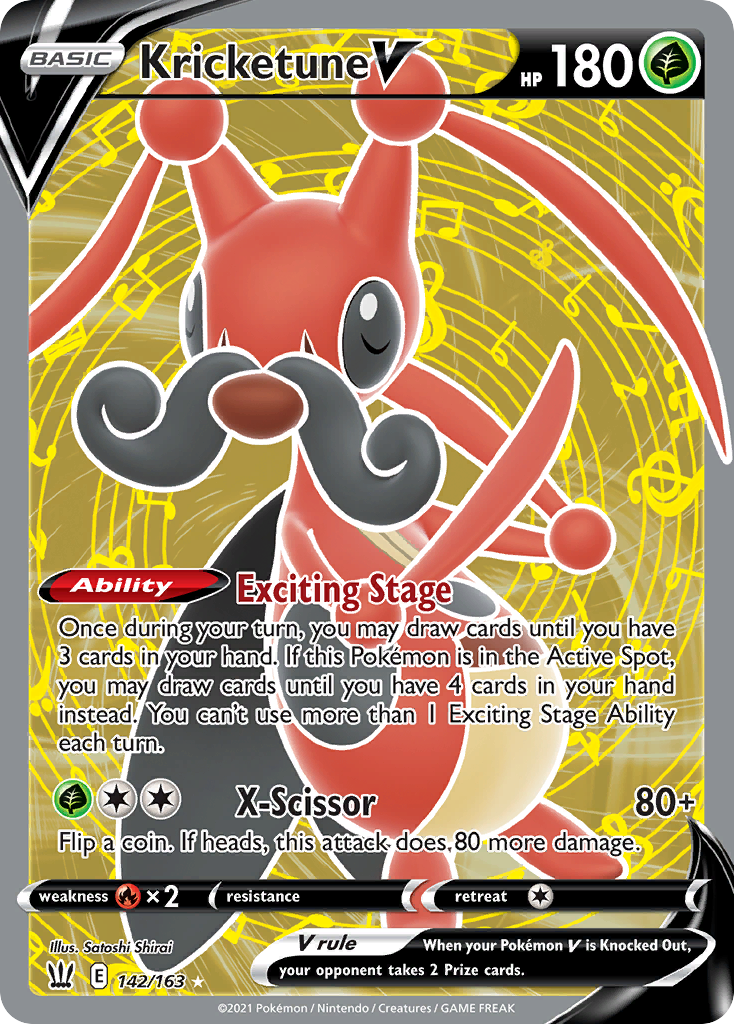


Flip a coin. If heads, this attack does 80 more damage.
| Supertype | Pokémon |
|---|---|
| Subtype | Basic |
| HP | 180 |
| Types | Grass |
| Attack | X-Scissor |
| Attack cost | Grass |
| Artist | Satoshi Shirai |
| Rarity | Rare Ultra |
| Pokédex | 402 |
Vendor Information
- Store Name: DutchGem
- Vendor: DutchGem
-
Address:
gekkestraat
179
2345GT Utrecht
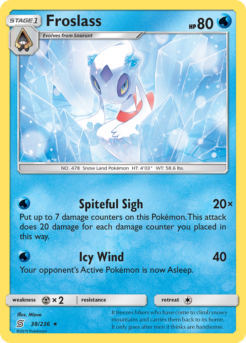
Sun & Moon
It freezes hikers who have come to climb snowy mountains and carries them back to its home. It only goes after men it thinks are handsome.
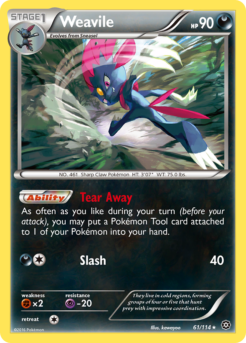
Steam Siege
They live in cold regions, forming groups of four or five that hunt prey with impressive coordination.
Astral Radiance
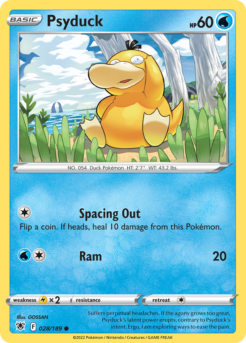
Suffers perpetual headaches. If the agony grows too great, Psyduck's latent power erupts, contrary to Psyduck's intent. Ergo, I am exploring ways to ease the pain.

Dragon Majesty
After a 10-hour struggle, a fisherman was able to pull one up and confirm its existence.
Kalos Starter Set
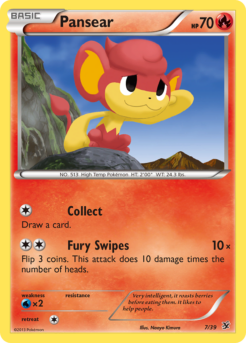
Very intelligent, it roasts berries before eating them. It likes to help people.
Related products

Sword & Shield
Search your deck for up to 2 Pokémon, reveal them, and put them into your hand. Then, shuffle your deck.
Sword & Shield
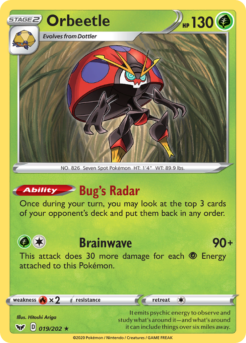
It emits psychic energy to observe and study what's around it—and what's around it can include things over six miles away.
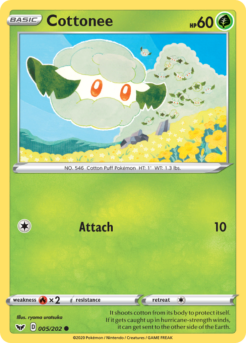
Sword & Shield
It shoots cotton from its body to protect itself. If it gets caught up in hurricane-strength winds, it can get sent to the other side of the Earth.
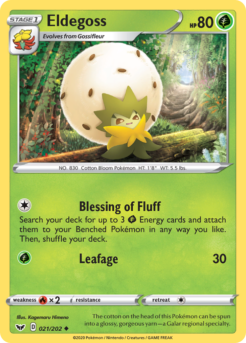
Sword & Shield
The cotton on the head of this Pokémon can be spun into a glossy, gorgeous yarn—a Galar regional specialty.
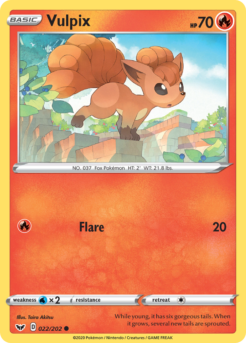
Sword & Shield
While young, it has six gorgeous tails. When it grows, several new tails are sprouted.
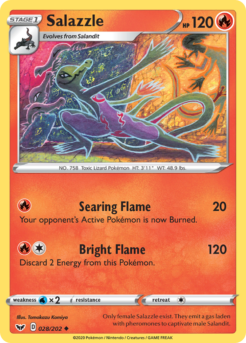
Sword & Shield
Only female Salazzle exist. They emit a gas laden with pheromones to captivate male Salandit.
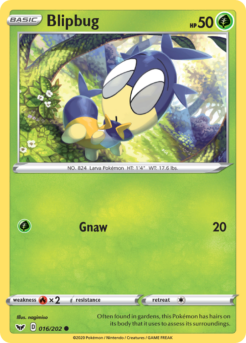
Sword & Shield
Often found in gardens, this Pokémon has hairs on its body that it uses to assess its surroundings.
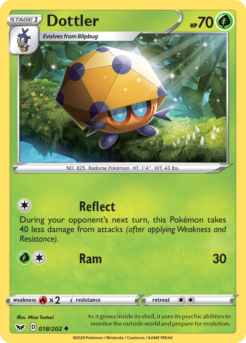
Sword & Shield
As it grows inside its shell, it uses its psychic abilities to monitor the outside world and prepare for evolution.