



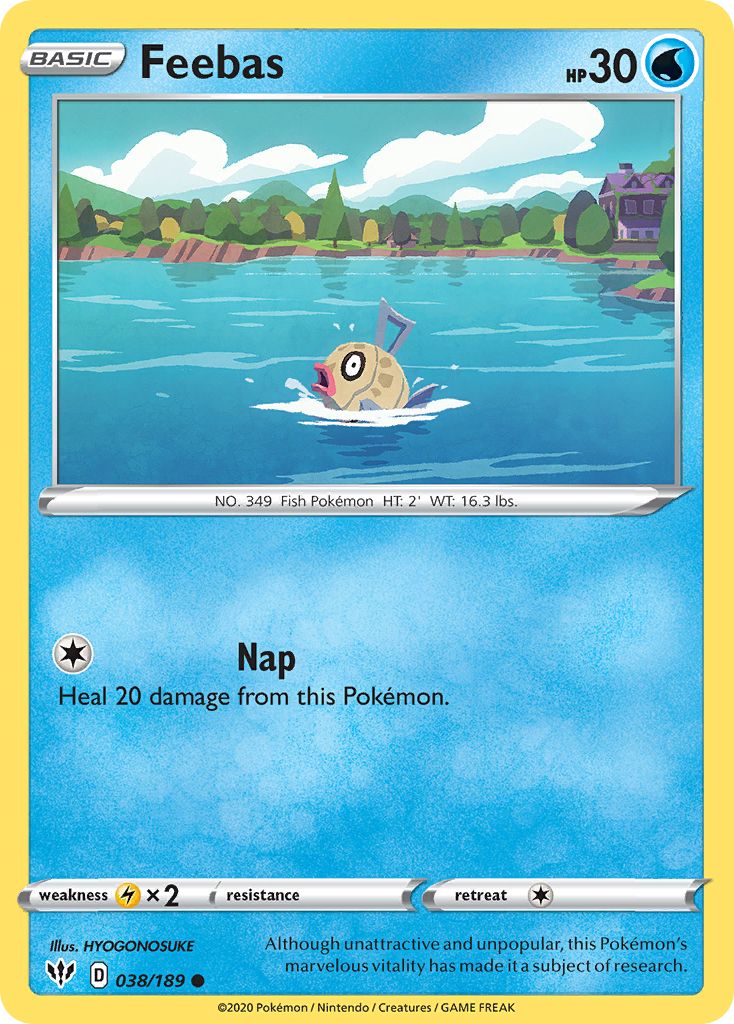
Feebas
Although unattractive and unpopular, this Pokémon’s marvelous vitality has made it a subject of research.
Heal 20 damage from this Pokémon.
| Supertype | Pokémon |
|---|---|
| Subtype | Basic |
| HP | 30 |
| Types | Water |
| Attack | Nap |
| Attack cost | Colorless |
| Artist | HYOGONOSUKE |
| Rarity | Common |
| Pokédex | 349 |
| Evolves to | Milotic |
Vendor Information
- Store Name: DutchGem
- Vendor: DutchGem
-
Address:
gekkestraat
179
2345GT Utrecht
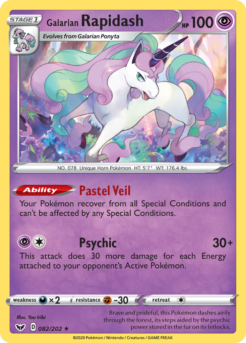
Sword & Shield
Brave and prideful, this Pokémon dashes airily through the forest, its steps aided by the psychic power stored in the fur on its fetlocks.
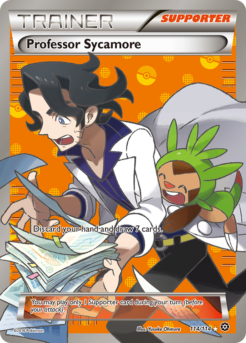
Astral Radiance
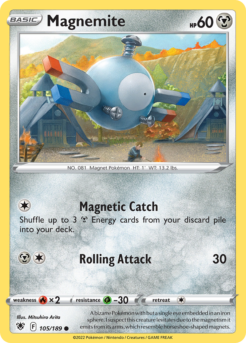
A bizarre Pokémon with but a single eye embedded in an iron sphere. I suspect this creature levitates due to the magnetism it emits from its arms, which resemble horseshoe-shaped magnets.
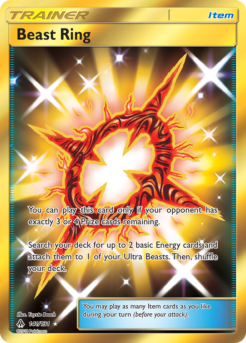
Brilliant Stars
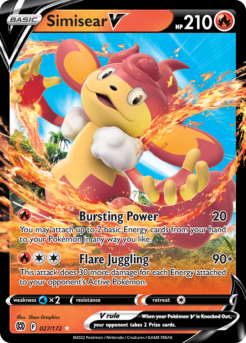
You may attach up to 2 basic Energy cards from your hand to your Pokémon in any way you like.
Related products
Sword & Shield
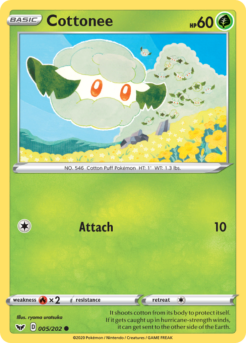
It shoots cotton from its body to protect itself. If it gets caught up in hurricane-strength winds, it can get sent to the other side of the Earth.
Sword & Shield
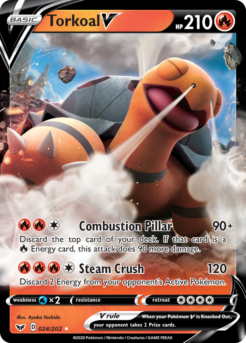
Discard the top card of your deck. If that card is a Fire Energy card, this attack does 90 more damage.
Sword & Shield
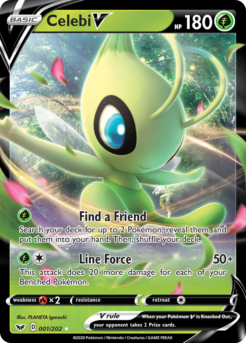
Search your deck for up to 2 Pokémon, reveal them, and put them into your hand. Then, shuffle your deck.
Sword & Shield
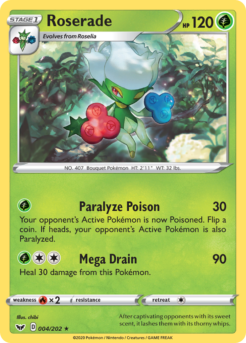
After captivating opponents with its sweet scent, it lashes them with its thorny whips.
Sword & Shield
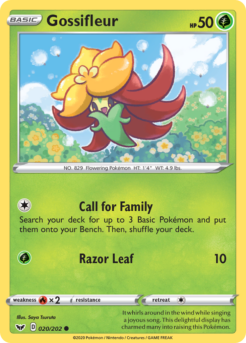
It whirls around in the wind while singing a joyous song. This delightful display has charmed many into raising this Pokémon.
Sword & Shield
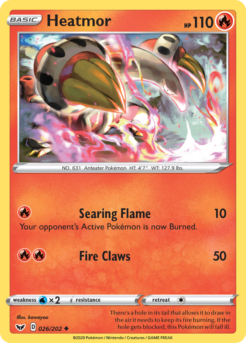
There's a hole in its tail that allows it to draw in the air it needs to keep its fire burning. If the hole gets blocked, this Pokémon will fall ill.
Sword & Shield
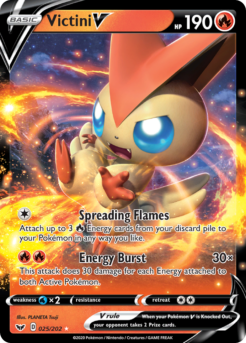
Attach up to 3 Fire Energy cards from your discard pile to your Pokémon in any way you like.
Sword & Shield
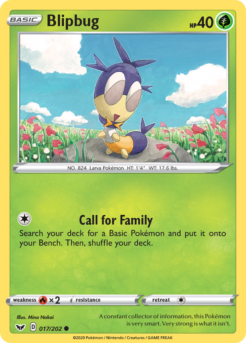
A constant collector of information, this Pokémon is very smart. Very strong is what it isn't.