



Dudunsparce
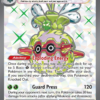
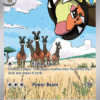
This Pokémon uses its hard tail to make its nest by boring holes into bedrock deep underground. The nest can reach lengths of over six miles.
| Supertype | Pokémon |
|---|---|
| Subtype | Stage 1 |
| HP | 140 |
| Types | Colorless |
| Attack | Mud-Slap |
| Attack cost | Colorless |
| Artist | Saya Tsuruta |
| Rarity | Illustration Rare |
| Pokédex | 982 |
| Evolves from | Dunsparce |
Vendor Information
- Store Name: DutchGem
- Vendor: DutchGem
-
Address:
gekkestraat
179
2345GT Utrecht
Sun & Moon
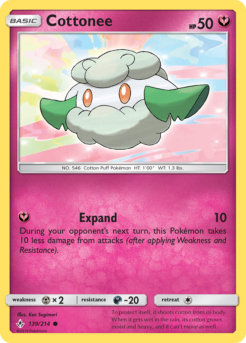
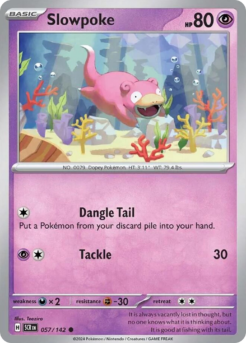
To protect itself, it shoots cotton from its body. When it gets wet in the rain, its cotton grows moist and heavy, and it can't move as well.
Scarlet & Violet
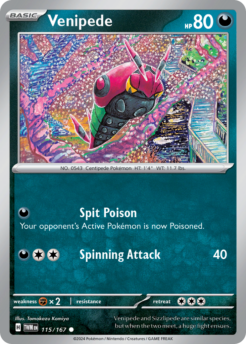
Venipede and Sizzlipede are similar species, but when the two meet, a huge fight ensues.
Darkness Ablaze
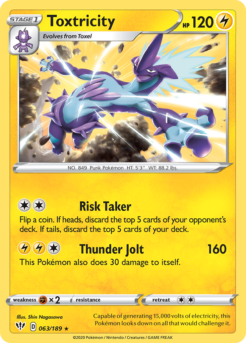
Capable of generating 15,000 volts of electricity, this Pokémon looks down on all that would challenge it.
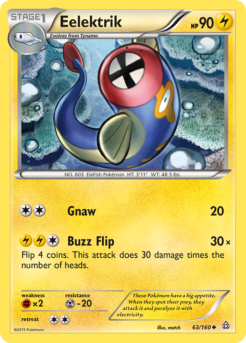
Primal Clash
These Pokémon have a big appetite. When they spot their prey, they attack it and paralyze it with electricity.
Related products
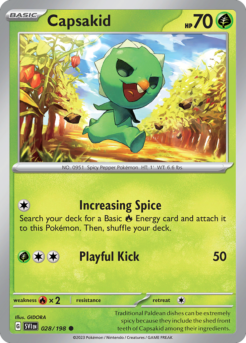
Scarlet & Violet
Traditional Paldean dishes can be extremely spicy because they include the shed front teeth of Capsakid among their ingredients.
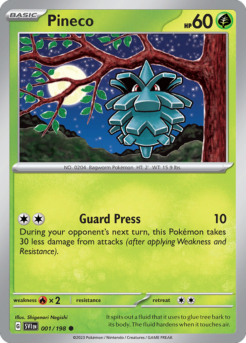
Scarlet & Violet
It spits out a fluid that it uses to glue tree bark to its body. The fluid hardens when it touches air.
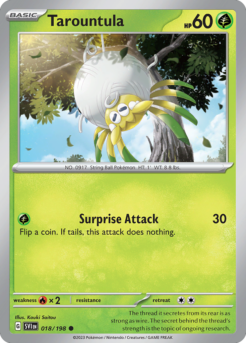
Scarlet & Violet
The thread it secretes from its rear is as strong as wire. The secret behind the thread's strength is the topic of ongoing research.
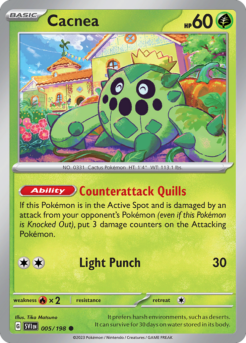
Scarlet & Violet
It prefers harsh environments, such as deserts. It can survive for 30 days on water stored in its body.
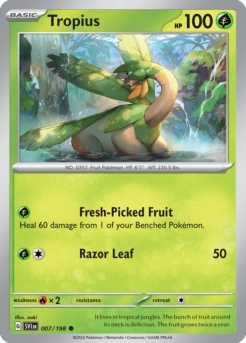
Scarlet & Violet
It lives in tropical jungles. The bunch of fruit around its neck is delicious. The fruit grows twice a year.
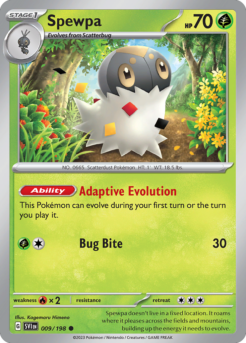
Scarlet & Violet
Spewpa doesn't live in a fixed location. It roams where it pleases across the fields and mountains, building up the energy it needs to evolve.
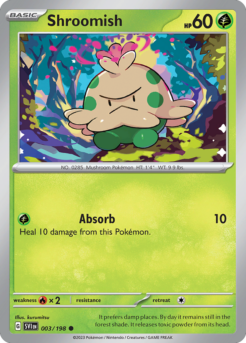
Scarlet & Violet
It prefers damp places. By day it remains still in the forest shade. It releases toxic powder from its head.
Scarlet & Violet
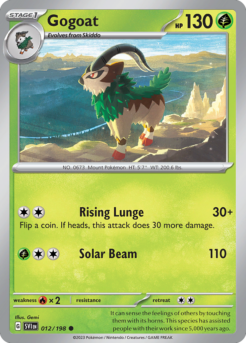
It can sense the feelings of others by touching them with its horns. This species has assisted people with their work since 5,000 years ago.