



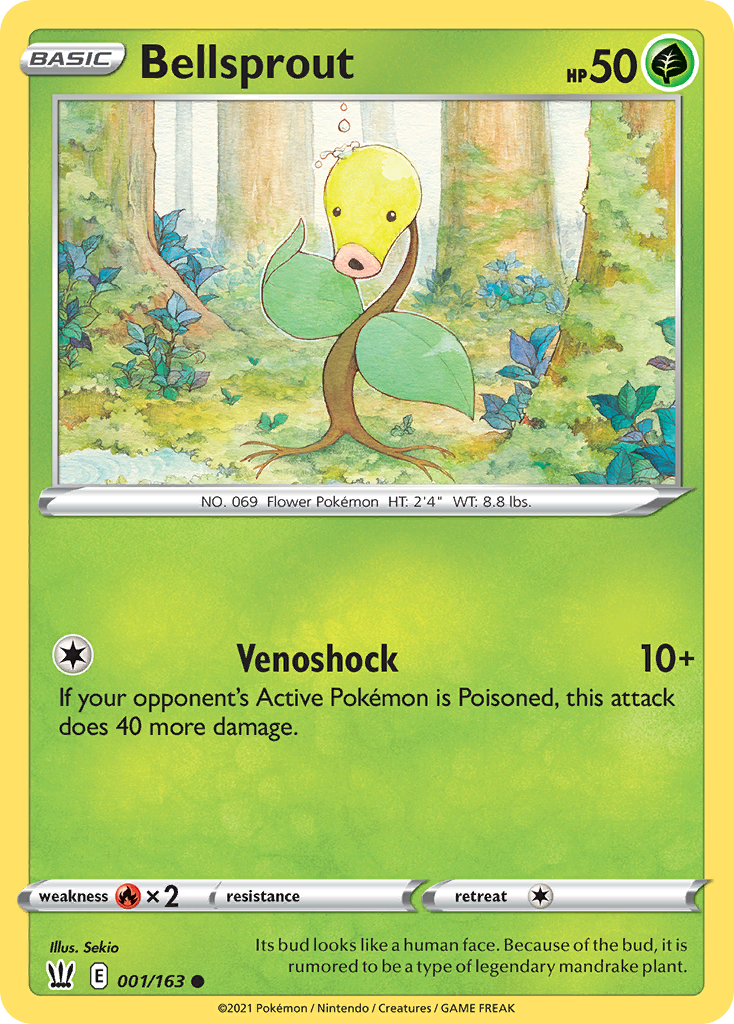
Bellsprout


Its bud looks like a human face. Because of the bud, it is rumored to be a type of legendary mandrake plant.

If your opponent’s Active Pokémon is Poisoned, this attack does 40 more damage.
| Supertype | Pokémon |
|---|---|
| Subtype | Basic |
| HP | 50 |
| Types | Grass |
| Attack | Venoshock |
| Attack cost | Colorless |
| Artist | Sekio |
| Rarity | Common |
| Pokédex | 69 |
| Evolves to | Weepinbell |
Vendor Information
- Store Name: DutchGem
- Vendor: DutchGem
-
Address:
gekkestraat
179
2345GT Utrecht
BREAKthrough
They strengthen their lower bodies by running into one another. They are very kind and won't start fights.
Obsidian Flames
It protects itself from enemies by emitting oil from the fruit on its head. This oil is bitter and astringent enough to make someone flinch.
Rebel Clash
Its ability to deflect any attack led to it being known as the Fighting Master's Shield. It was feared and respected by all.

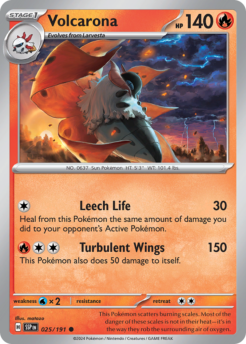
Scarlet & Violet
Heal from this Pokémon the same amount of damage you did to your opponent’s Active Pokémon.
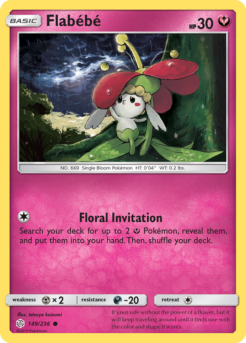
Cosmic Eclipse
It's not safe without the power of a flower, but it will keep traveling around until it finds one with the color and shape it wants.
Related products
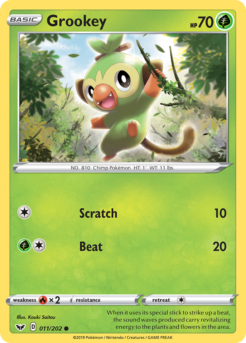
Sword & Shield
When it uses its special stick to strike up a beat, the sound waves produced carry revitalizing energy to the plants and flowers in the area.
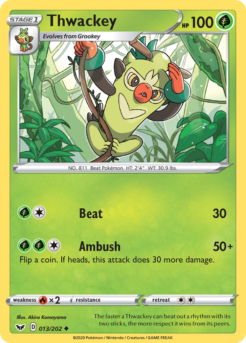
Sword & Shield
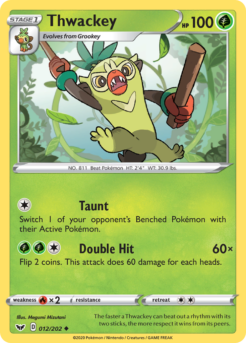
The faster a Thwackey can beat out a rhythm with its two sticks, the more respect it wins from its peers.
Sword & Shield
The faster a Thwackey can beat out a rhythm with its two sticks, the more respect it wins from its peers.

Sword & Shield
Attach up to 3 Fire Energy cards from your discard pile to your Pokémon in any way you like.
Sword & Shield
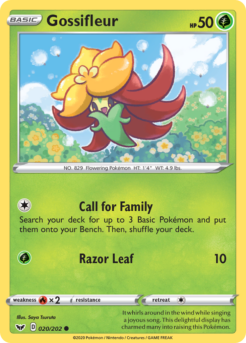
It whirls around in the wind while singing a joyous song. This delightful display has charmed many into raising this Pokémon.
Sword & Shield
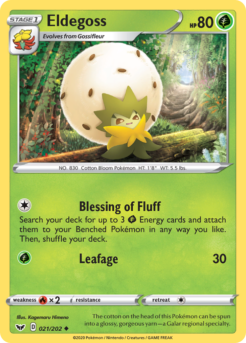
The cotton on the head of this Pokémon can be spun into a glossy, gorgeous yarn—a Galar regional specialty.
Sword & Shield
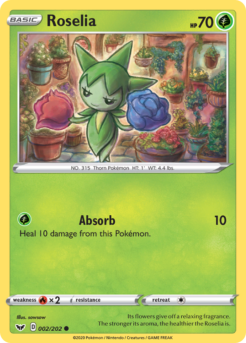
Its flowers give off a relaxing fragrance. The stronger its aroma, the healthier the Roselia is.
Sword & Shield
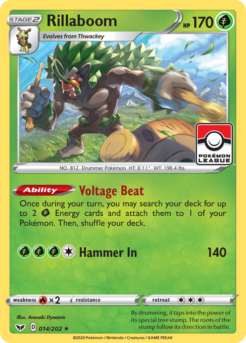
By drumming, it taps into the power of its special tree stump. The roots of the stump follow its direction in battle.