



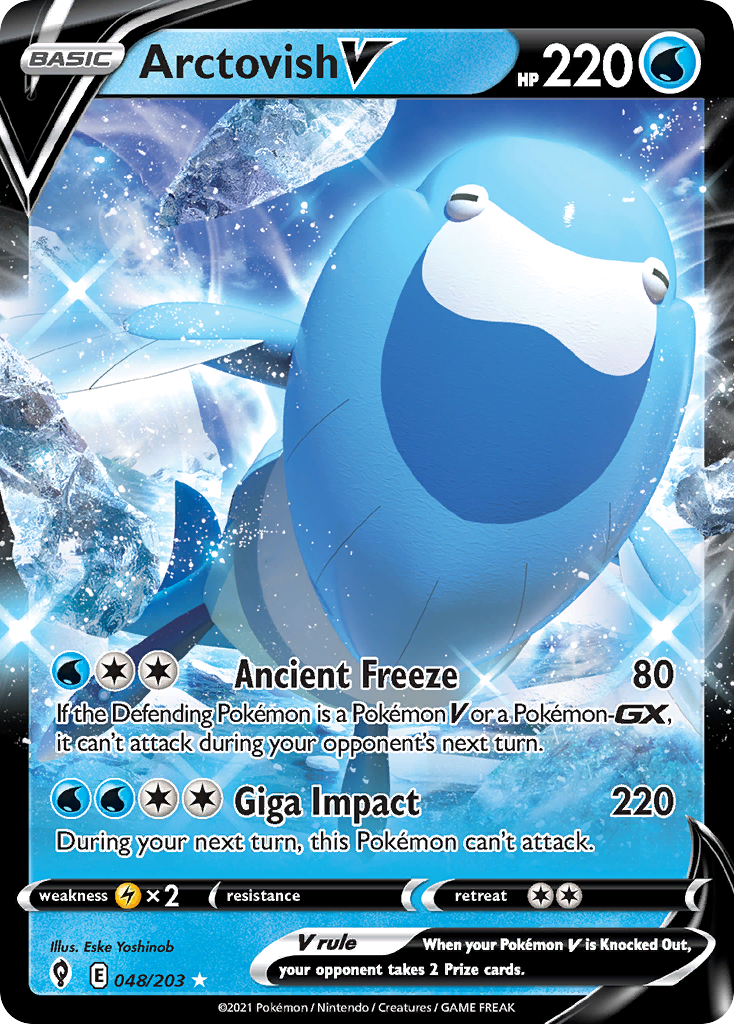
If the Defending Pokémon is a Pokémon V or a Pokémon-GX, it can’t attack during your opponent’s next turn.
| Supertype | Pokémon |
|---|---|
| Subtype | Basic |
| HP | 220 |
| Types | Water |
| Attack | Ancient Freeze |
| Attack cost | Water |
| Artist | Eske Yoshinob |
| Rarity | Rare Holo V |
| Pokédex | 883 |
Vendor Information
- Store Name: DutchGem
- Vendor: DutchGem
-
Address:
gekkestraat
179
2345GT Utrecht
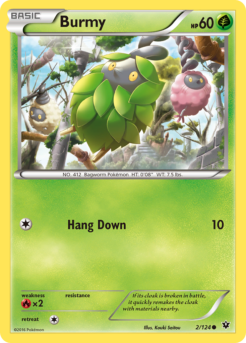
Fates Collide
If its cloak is broken in battle, it quickly remakes the cloak with materials nearby.
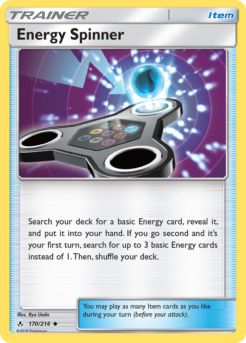
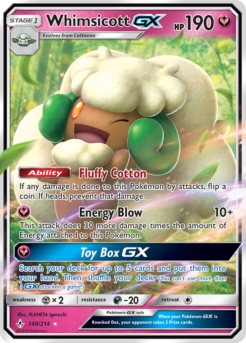
Sun & Moon
This attack does 30 more damage times the amount of Energy attached to this Pokémon.
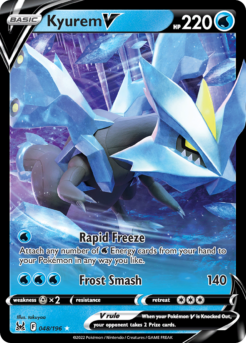
Lost Origin
Attach any number of Water Energy cards from your hand to your Pokémon in any way you like.
Guardians Rising
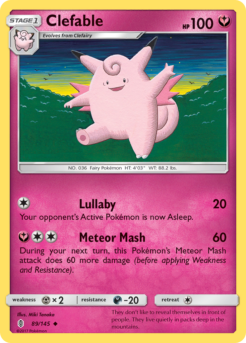
They don't like to reveal themselves in front of people. They live quietly in packs deep in the mountains.

Related products
Sword & Shield
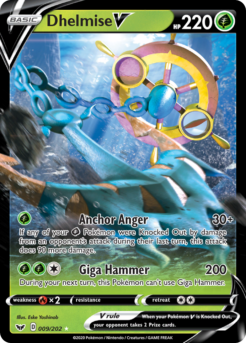
If any of your Grass Pokémon were Knocked Out by damage from an opponent’s attack during their last turn, this attack does 90 more damage.
Sword & Shield
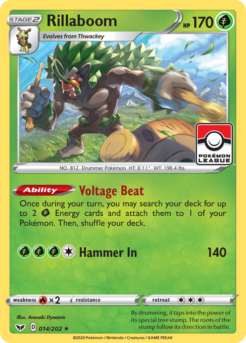
By drumming, it taps into the power of its special tree stump. The roots of the stump follow its direction in battle.
Sword & Shield
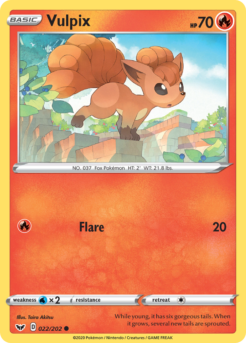
While young, it has six gorgeous tails. When it grows, several new tails are sprouted.
Sword & Shield
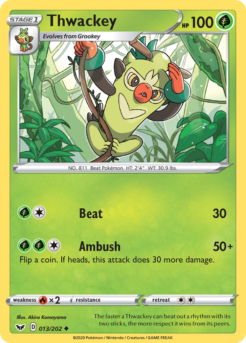
The faster a Thwackey can beat out a rhythm with its two sticks, the more respect it wins from its peers.
Sword & Shield
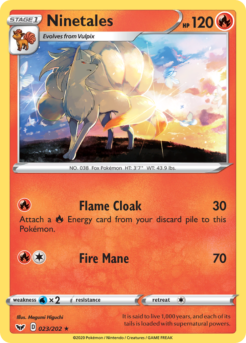
It is said to live 1,000 years, and each of its tails is loaded with supernatural powers.
Sword & Shield
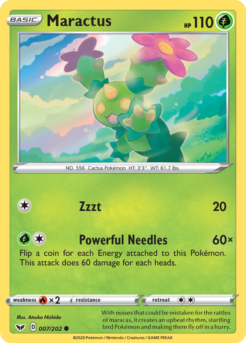
With noises that could be mistaken for the rattles of maracas, it creates an upbeat rhythm, startling bird Pokémon and making them fly off in a hurry.
Sword & Shield
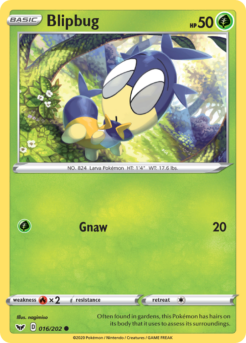
Often found in gardens, this Pokémon has hairs on its body that it uses to assess its surroundings.
Sword & Shield
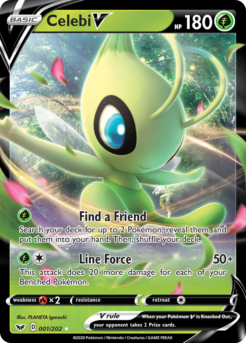
Search your deck for up to 2 Pokémon, reveal them, and put them into your hand. Then, shuffle your deck.