



Zoroark
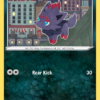
If it thinks humans are going to discover its den, Zoroark shows them visions that make them wander around in the woods.
| Supertype | Pokémon |
|---|---|
| Subtype | Stage 1 |
| HP | 120 |
| Types | Darkness |
| Attack | Night Daze |
| Attack cost | Colorless |
| Artist | Souichirou Gunjima |
| Rarity | Rare Holo |
| Pokédex | 571 |
| Evolves from | Zorua |
Vendor Information
- Store Name: DutchGem
- Vendor: DutchGem
-
Address:
gekkestraat
179
2345GT Utrecht
Sun & Moon
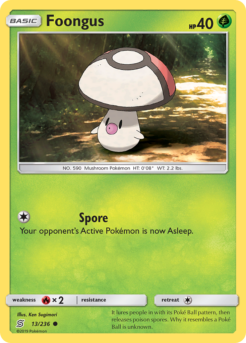
It lures people in with its Poké Ball pattern, then releases poison spores. Why it resembles a Poké Ball is unknown.
Base
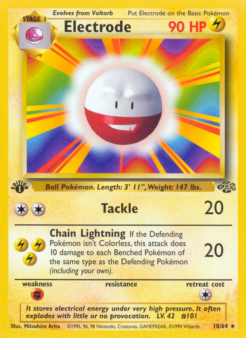
It stores electrical energy under very high pressure. It often explodes with little or no provocation.
Lost Thunder
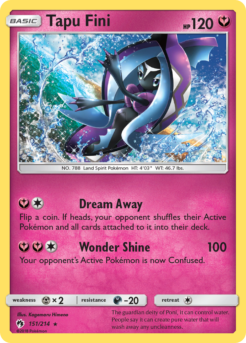
The guardian deity of Poni, it can control water. People say it can create pure water that will wash away any uncleanness.
Brilliant Stars
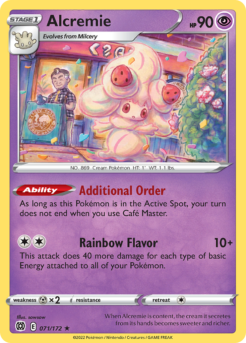
When Alcremie is content, the cream it secretes from its hands becomes sweeter and richer.
Related products
Sword & Shield
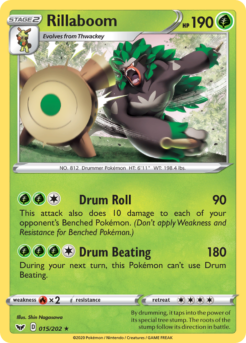
By drumming, it taps into the power of its special tree stump. The roots of the stump follow its direction in battle.
Sword & Shield
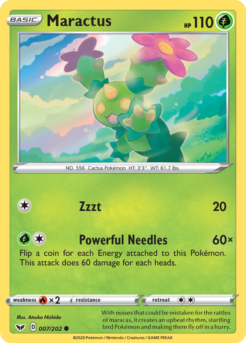
With noises that could be mistaken for the rattles of maracas, it creates an upbeat rhythm, startling bird Pokémon and making them fly off in a hurry.
Sword & Shield
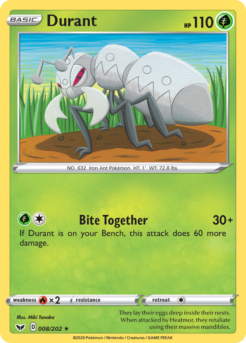
They lay their eggs deep inside their nests. When attacked by Heatmor, they retaliate using their massive mandibles.
Sword & Shield
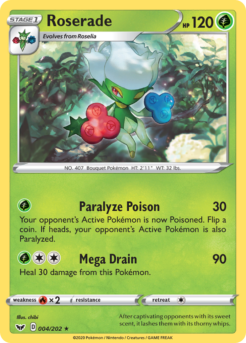
After captivating opponents with its sweet scent, it lashes them with its thorny whips.
Sword & Shield
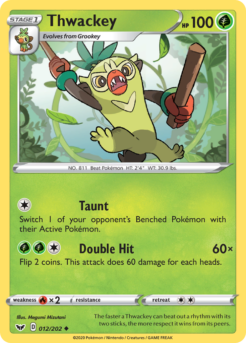
The faster a Thwackey can beat out a rhythm with its two sticks, the more respect it wins from its peers.
Sword & Shield
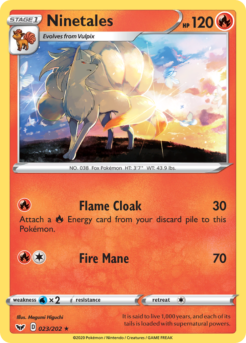
It is said to live 1,000 years, and each of its tails is loaded with supernatural powers.
Sword & Shield
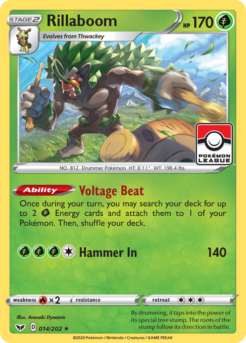
By drumming, it taps into the power of its special tree stump. The roots of the stump follow its direction in battle.
Sword & Shield
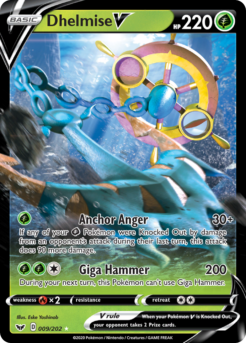
If any of your Grass Pokémon were Knocked Out by damage from an opponent’s attack during their last turn, this attack does 90 more damage.