



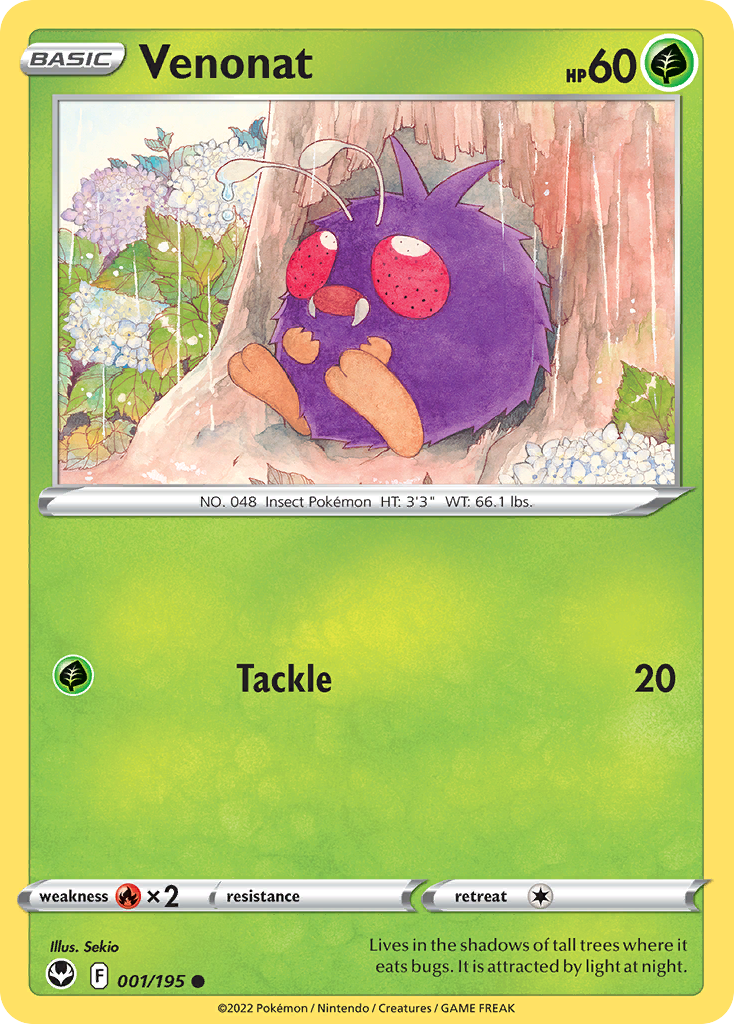
Venonat

Lives in the shadows of tall trees where it eats bugs. It is attracted by light at night.

| Supertype | Pokémon |
|---|---|
| Subtype | Basic |
| HP | 60 |
| Types | Grass |
| Attack | Tackle |
| Attack cost | Grass |
| Artist | Sekio |
| Rarity | Common |
| Pokédex | 48 |
| Evolves to | Venomoth |
Vendor Information
- Store Name: DutchGem
- Vendor: DutchGem
-
Address:
gekkestraat
179
2345GT Utrecht
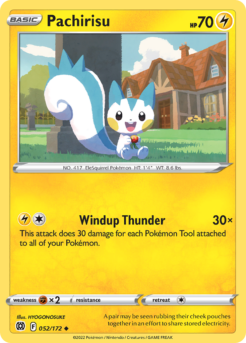
Brilliant Stars
A pair may be seen rubbing their cheek pouches together in an effort to share stored electricity.

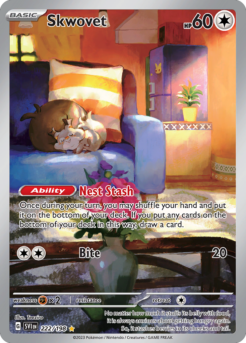
Scarlet & Violet
No matter how much it stuffs its belly with food, it is always anxious about getting hungry again. So, it stashes berries in its cheeks and tail.
Scarlet & Violet
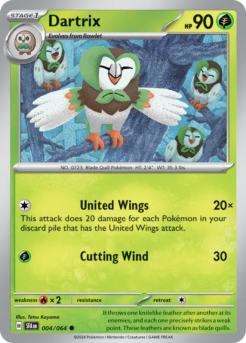
This attack does 20 damage for each Pokémon in your discard pile that has the United Wings attack.

Paldean Fates
Because its wings aren't yet fully grown, it has to hop to get around. It is always staring at something.
Kalos Starter Set
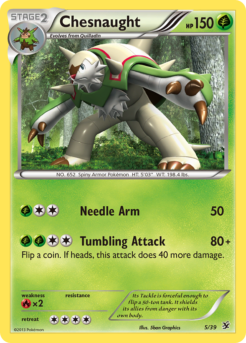
Its Tackle is forceful enough to flip a 50-ton tank. It shields its allies from danger with its own body.
Related products
Sword & Shield
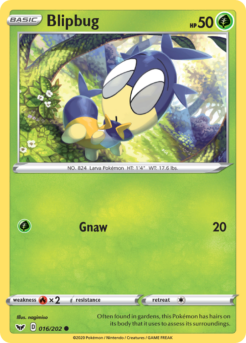
Often found in gardens, this Pokémon has hairs on its body that it uses to assess its surroundings.
Sword & Shield
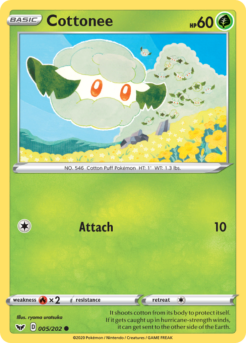
It shoots cotton from its body to protect itself. If it gets caught up in hurricane-strength winds, it can get sent to the other side of the Earth.

Sword & Shield
Search your deck for up to 2 Pokémon, reveal them, and put them into your hand. Then, shuffle your deck.
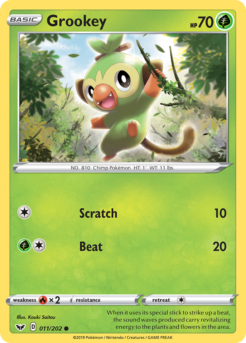
Sword & Shield
When it uses its special stick to strike up a beat, the sound waves produced carry revitalizing energy to the plants and flowers in the area.
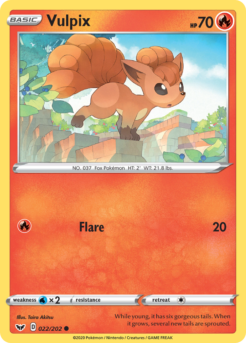
Sword & Shield
While young, it has six gorgeous tails. When it grows, several new tails are sprouted.
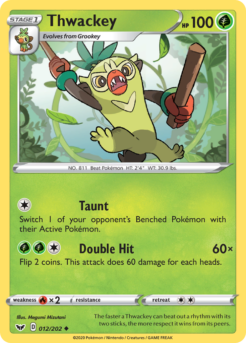
Sword & Shield
The faster a Thwackey can beat out a rhythm with its two sticks, the more respect it wins from its peers.
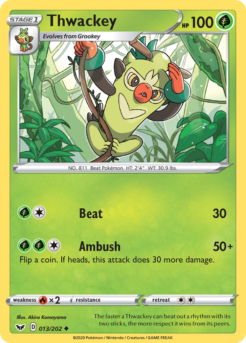
Sword & Shield
The faster a Thwackey can beat out a rhythm with its two sticks, the more respect it wins from its peers.
Sword & Shield
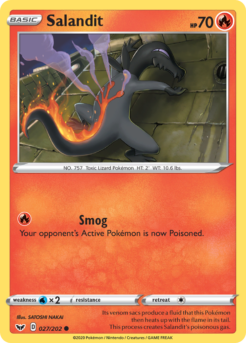
Its venom sacs produce a fluid that this Pokémon then heats up with the flame in its tail. This process creates Salandit's poisonous gas.