



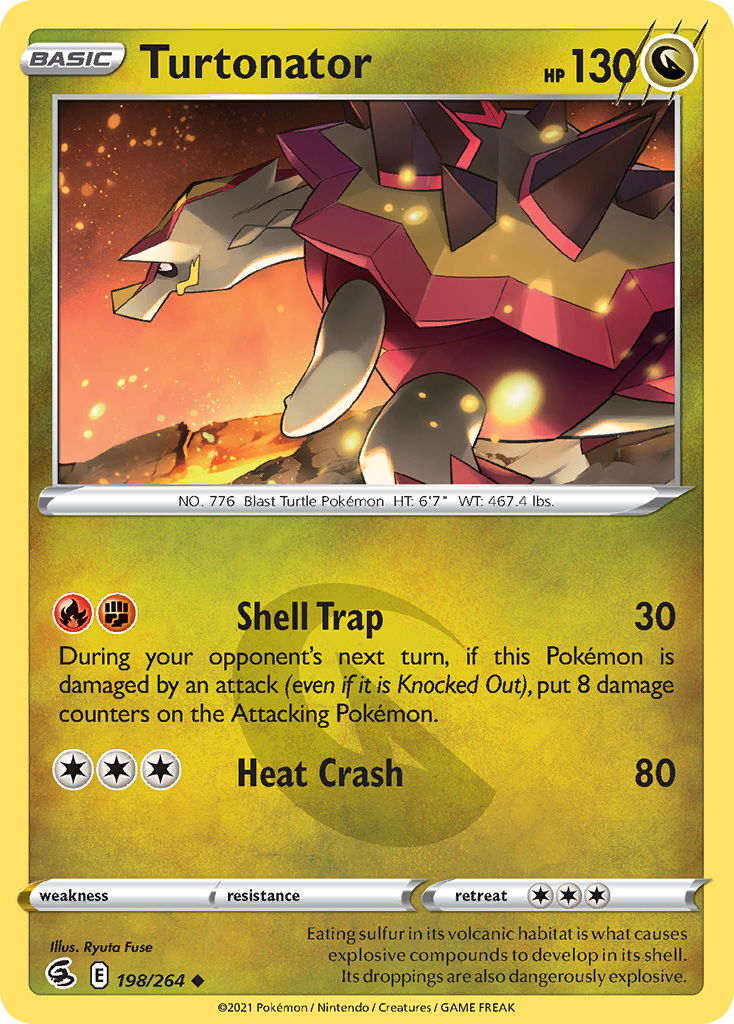
Turtonator
Eating sulfur in its volcanic habitat is what causes explosive compounds to develop in its shell. Its droppings are also dangerously explosive.
During your opponent’s next turn, if this Pokémon is damaged by an attack (even if it is Knocked Out), put 8 damage counters on the Attacking Pokémon.
| Supertype | Pokémon |
|---|---|
| Subtype | Basic |
| HP | 130 |
| Types | Dragon |
| Attack | Shell Trap |
| Attack cost | Fire |
| Artist | Ryuta Fuse |
| Rarity | Uncommon |
| Pokédex | 776 |
Vendor Information
- Store Name: DutchGem
- Vendor: DutchGem
-
Address:
gekkestraat
179
2345GT Utrecht
Sun & Moon
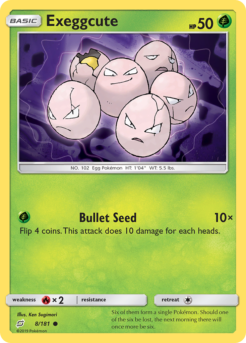
Six of them form a single Pokémon. Should one of the six be lost, the next morning there will once more be six.
Rebel Clash
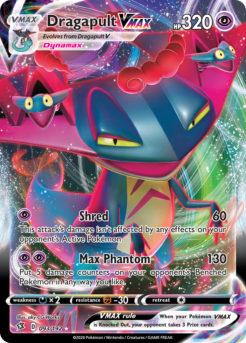
This attack’s damage isn’t affected by any effects on your opponent’s Active Pokémon.
Sun & Moon
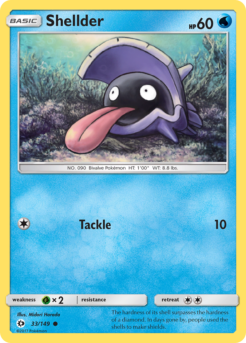
The hardness of its shell surpasses the hardness of a diamond. In days gone by, people used the shells to make shields.
Lost Origin
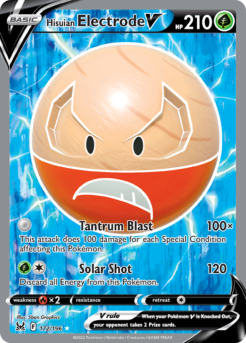
This attack does 100 damage for each Special Condition affecting this Pokémon.
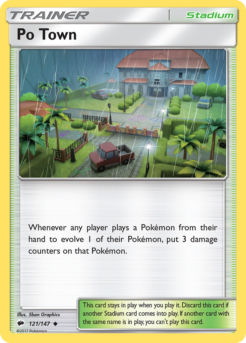
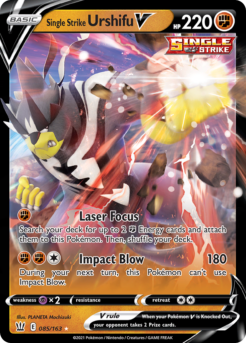
Battle Styles
Search your deck for up to 2 Fighting Energy cards and attach them to this Pokémon. Then, shuffle your deck.
Related products
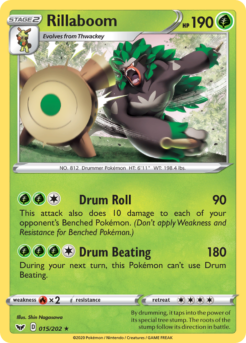
Sword & Shield
By drumming, it taps into the power of its special tree stump. The roots of the stump follow its direction in battle.
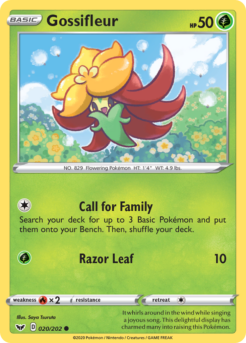
Sword & Shield
It whirls around in the wind while singing a joyous song. This delightful display has charmed many into raising this Pokémon.
Sword & Shield
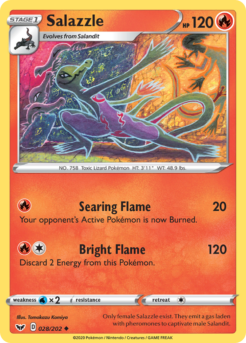
Only female Salazzle exist. They emit a gas laden with pheromones to captivate male Salandit.
Sword & Shield
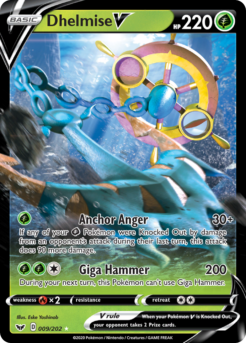
If any of your Grass Pokémon were Knocked Out by damage from an opponent’s attack during their last turn, this attack does 90 more damage.
Sword & Shield
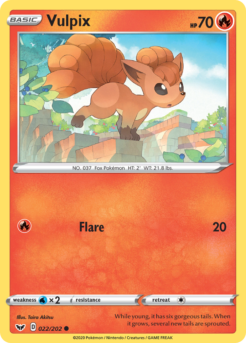
While young, it has six gorgeous tails. When it grows, several new tails are sprouted.
Sword & Shield
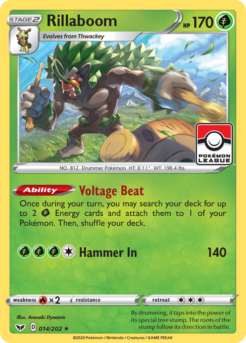
By drumming, it taps into the power of its special tree stump. The roots of the stump follow its direction in battle.
Sword & Shield
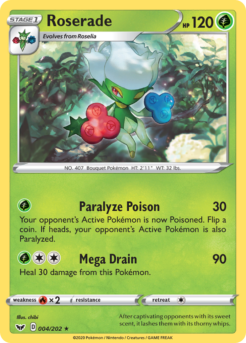
After captivating opponents with its sweet scent, it lashes them with its thorny whips.
Sword & Shield
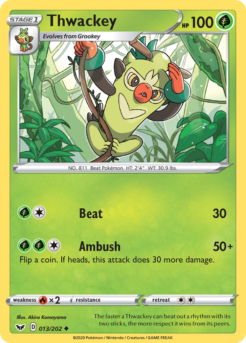
The faster a Thwackey can beat out a rhythm with its two sticks, the more respect it wins from its peers.