



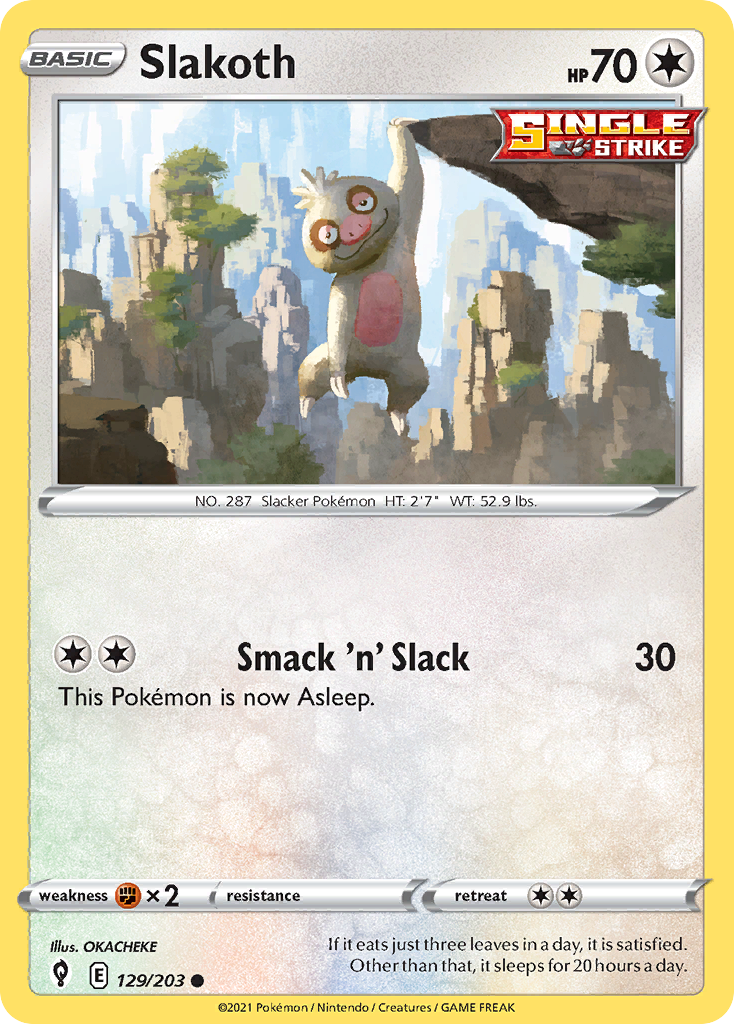
Slakoth
If it eats just three leaves in a day, it is satisfied. Other than that, it sleeps for 20 hours a day.
This Pokémon is now Asleep.
| Supertype | Pokémon |
|---|---|
| Subtype | Basic |
| HP | 70 |
| Types | Colorless |
| Attack | Smack 'n' Slack |
| Attack cost | Colorless |
| Artist | OKACHEKE |
| Rarity | Common |
| Pokédex | 287 |
| Evolves to | Vigoroth |
Vendor Information
- Store Name: DutchGem
- Vendor: DutchGem
-
Address:
gekkestraat
179
2345GT Utrecht
Darkness Ablaze
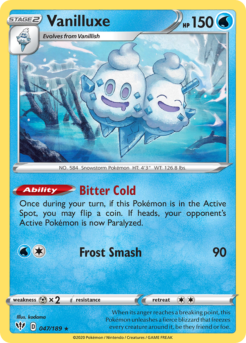
When its anger reaches a breaking point, this Pokémon unleashes a fierce blizzard that freezes every creature around it, be they friend or foe.

Base
A Pokémon that has been overhunted almost to extinction. It can ferry people across water.
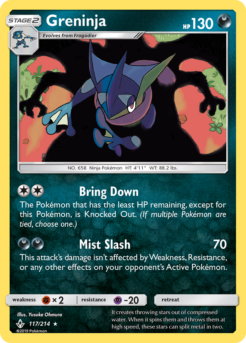
Sun & Moon
It creates throwing stars out of compressed water. When it spins them and throws them at high speed, these stars can split metal in two.
Related products
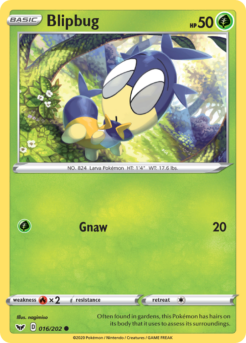
Sword & Shield
Often found in gardens, this Pokémon has hairs on its body that it uses to assess its surroundings.
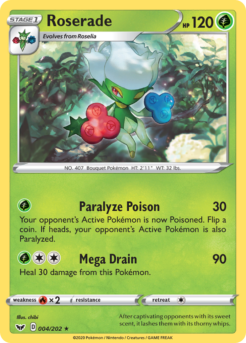
Sword & Shield
After captivating opponents with its sweet scent, it lashes them with its thorny whips.
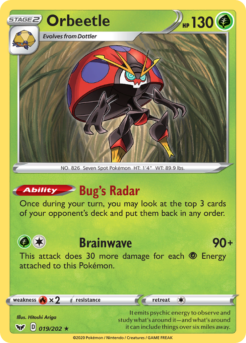
Sword & Shield
It emits psychic energy to observe and study what's around it—and what's around it can include things over six miles away.
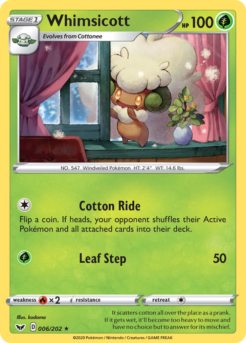
Sword & Shield
It scatters cotton all over the place as a prank. If it gets wet, it'll become too heavy to move and have no choice but to answer for its mischief.
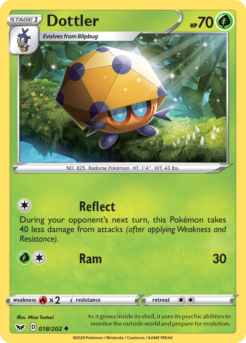
Sword & Shield
As it grows inside its shell, it uses its psychic abilities to monitor the outside world and prepare for evolution.
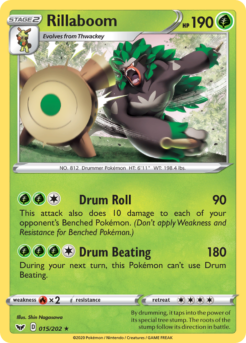
Sword & Shield
By drumming, it taps into the power of its special tree stump. The roots of the stump follow its direction in battle.
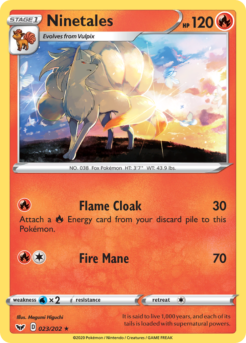
Sword & Shield
It is said to live 1,000 years, and each of its tails is loaded with supernatural powers.
Sword & Shield
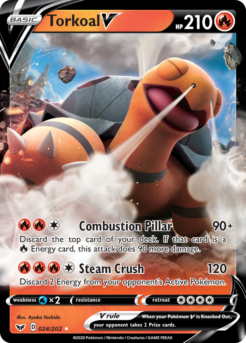
Discard the top card of your deck. If that card is a Fire Energy card, this attack does 90 more damage.