



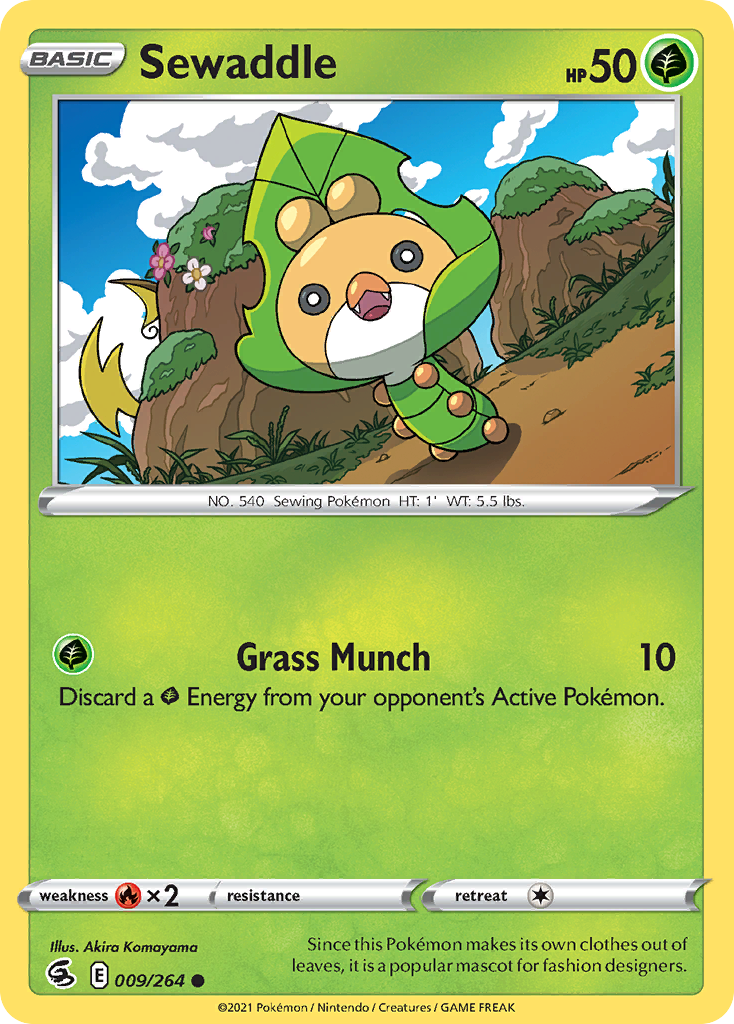
Sewaddle
Since this Pokémon makes its own clothes out of leaves, it is a popular mascot for fashion designers.
Discard a Grass Energy from your opponent’s Active Pokémon.
| Supertype | Pokémon |
|---|---|
| Subtype | Basic |
| HP | 50 |
| Types | Grass |
| Attack | Grass Munch |
| Attack cost | Grass |
| Artist | Akira Komayama |
| Rarity | Common |
| Pokédex | 540 |
| Evolves to | Swadloon |
Vendor Information
- Store Name: DutchGem
- Vendor: DutchGem
-
Address:
gekkestraat
179
2345GT Utrecht
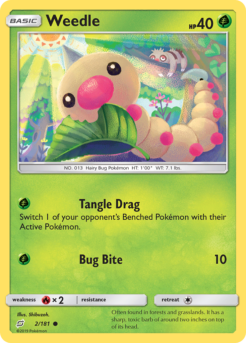
Sun & Moon
Often found in forests and grasslands. It has a sharp, toxic barb of around two inches on top of its head.
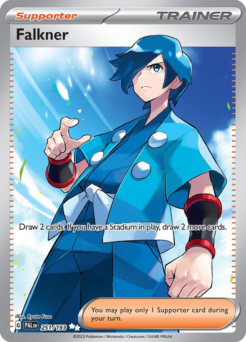
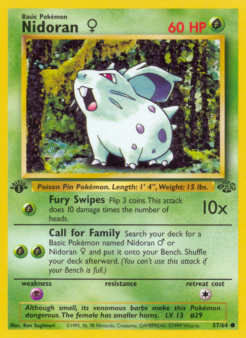
Base
Although small, its venomous barbs make this Pokémon dangerous. The female has smaller horns.
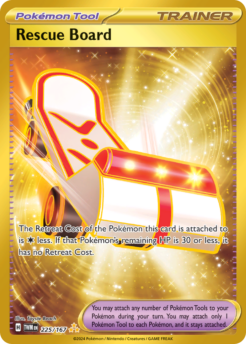
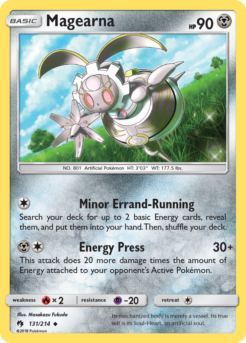
Lost Thunder
Its mechanized body is merely a vessel. Its true self is its Soul-Heart, an artificial soul.
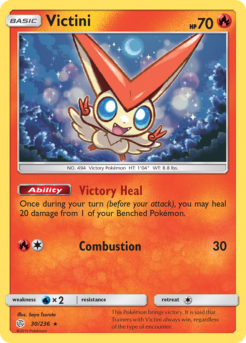
Cosmic Eclipse
This Pokémon brings victory. It is said that Trainers with Victini always win, regardless of the type of encounter.
Related products
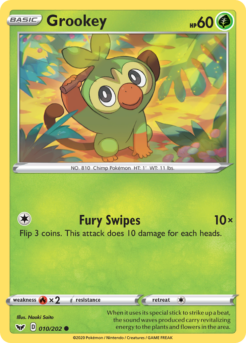
Sword & Shield
When it uses its special stick to strike up a beat, the sound waves produced carry revitalizing energy to the plants and flowers in the area.
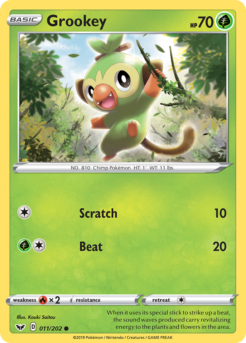
Sword & Shield
When it uses its special stick to strike up a beat, the sound waves produced carry revitalizing energy to the plants and flowers in the area.
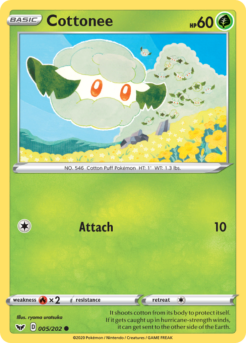
Sword & Shield
It shoots cotton from its body to protect itself. If it gets caught up in hurricane-strength winds, it can get sent to the other side of the Earth.
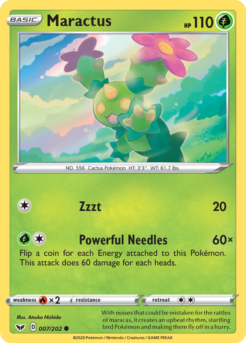
Sword & Shield
With noises that could be mistaken for the rattles of maracas, it creates an upbeat rhythm, startling bird Pokémon and making them fly off in a hurry.
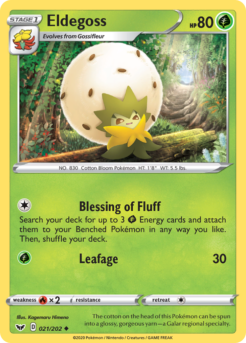
Sword & Shield
The cotton on the head of this Pokémon can be spun into a glossy, gorgeous yarn—a Galar regional specialty.
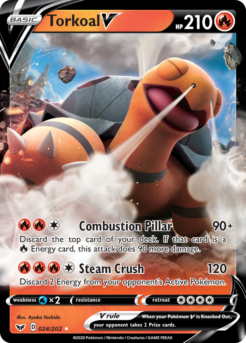
Sword & Shield
Discard the top card of your deck. If that card is a Fire Energy card, this attack does 90 more damage.
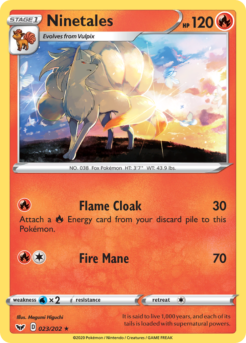
Sword & Shield
It is said to live 1,000 years, and each of its tails is loaded with supernatural powers.
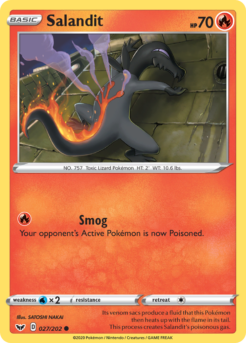
Sword & Shield
Its venom sacs produce a fluid that this Pokémon then heats up with the flame in its tail. This process creates Salandit's poisonous gas.