



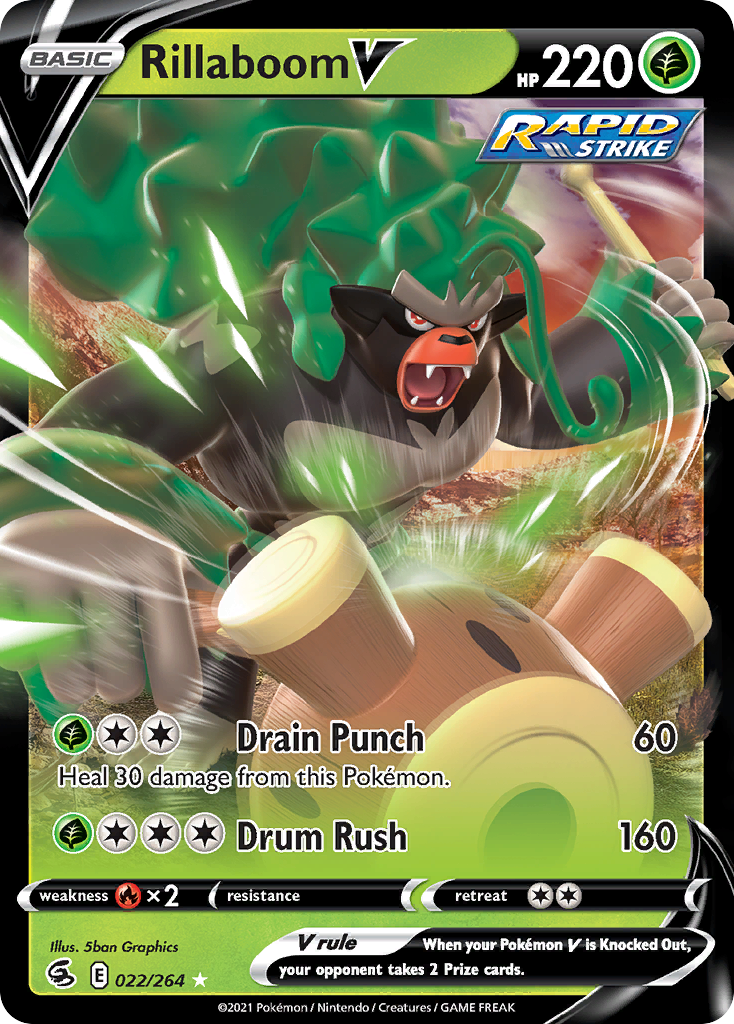
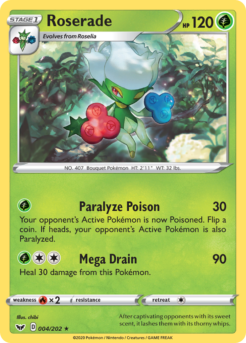
Heal 30 damage from this Pokémon.
| Supertype | Pokémon |
|---|---|
| Subtype | Basic |
| HP | 220 |
| Types | Grass |
| Attack | Drain Punch |
| Attack cost | Grass |
| Artist | 5ban Graphics |
| Rarity | Rare Holo V |
| Pokédex | 812 |
Vendor Information
- Store Name: DutchGem
- Vendor: DutchGem
-
Address:
gekkestraat
179
2345GT Utrecht
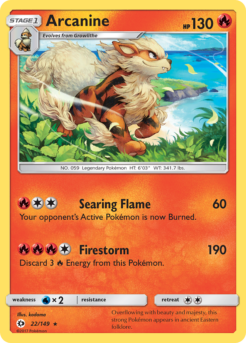
Sun & Moon
Overflowing with beauty and majesty, this strong Pokémon appears in ancient Eastern folklore.
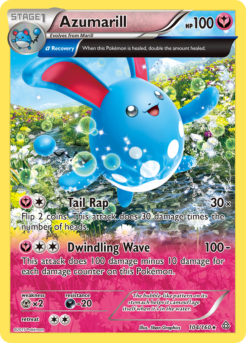
Primal Clash
The bubble-like pattern on its stomach helps it camouflage itself when it's in the water.
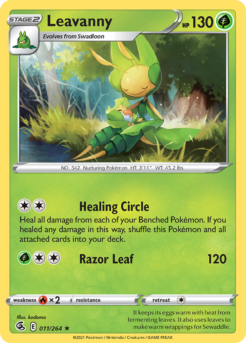
Fusion Strike
It keeps its eggs warm with heat from fermenting leaves. It also uses leaves to make warm wrappings for Sewaddle.
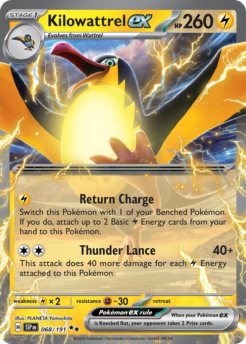
Scarlet & Violet
Switch this Pokémon with 1 of your Benched Pokémon. If you do, attach up to 2 Basic Lightning Energy cards from your hand to this Pokémon.
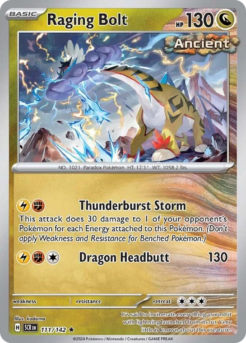
Scarlet & Violet
This attack does 30 damage to 1 of your opponent’s Pokémon for each Energy attached to this Pokémon. (Don’t apply Weakness and Resistance for Benched Pokémon.)
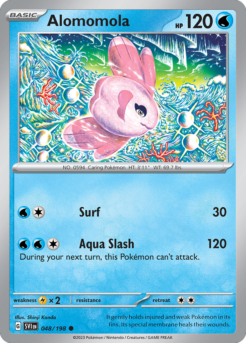
Scarlet & Violet
It gently holds injured and weak Pokémon in its fins. Its special membrane heals their wounds.
Related products
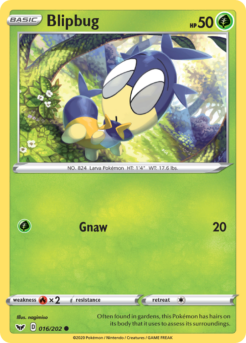
Sword & Shield
Often found in gardens, this Pokémon has hairs on its body that it uses to assess its surroundings.
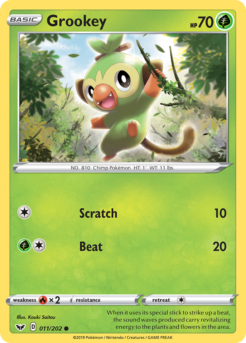
Sword & Shield
When it uses its special stick to strike up a beat, the sound waves produced carry revitalizing energy to the plants and flowers in the area.
Sword & Shield
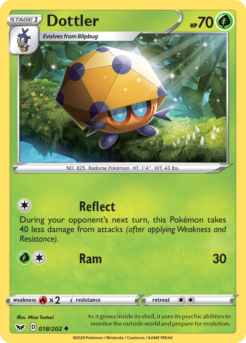
As it grows inside its shell, it uses its psychic abilities to monitor the outside world and prepare for evolution.
Sword & Shield
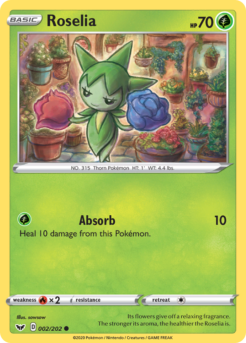
Its flowers give off a relaxing fragrance. The stronger its aroma, the healthier the Roselia is.
Sword & Shield
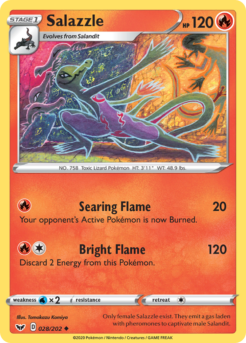
Only female Salazzle exist. They emit a gas laden with pheromones to captivate male Salandit.
Sword & Shield
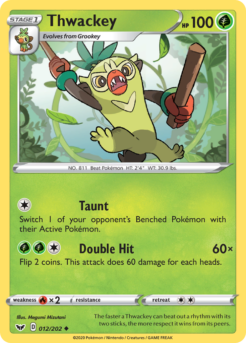
The faster a Thwackey can beat out a rhythm with its two sticks, the more respect it wins from its peers.
Sword & Shield
After captivating opponents with its sweet scent, it lashes them with its thorny whips.
Sword & Shield
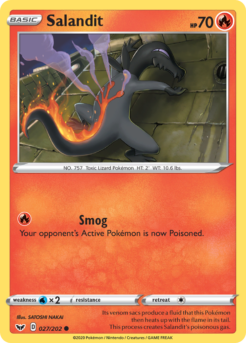
Its venom sacs produce a fluid that this Pokémon then heats up with the flame in its tail. This process creates Salandit's poisonous gas.