



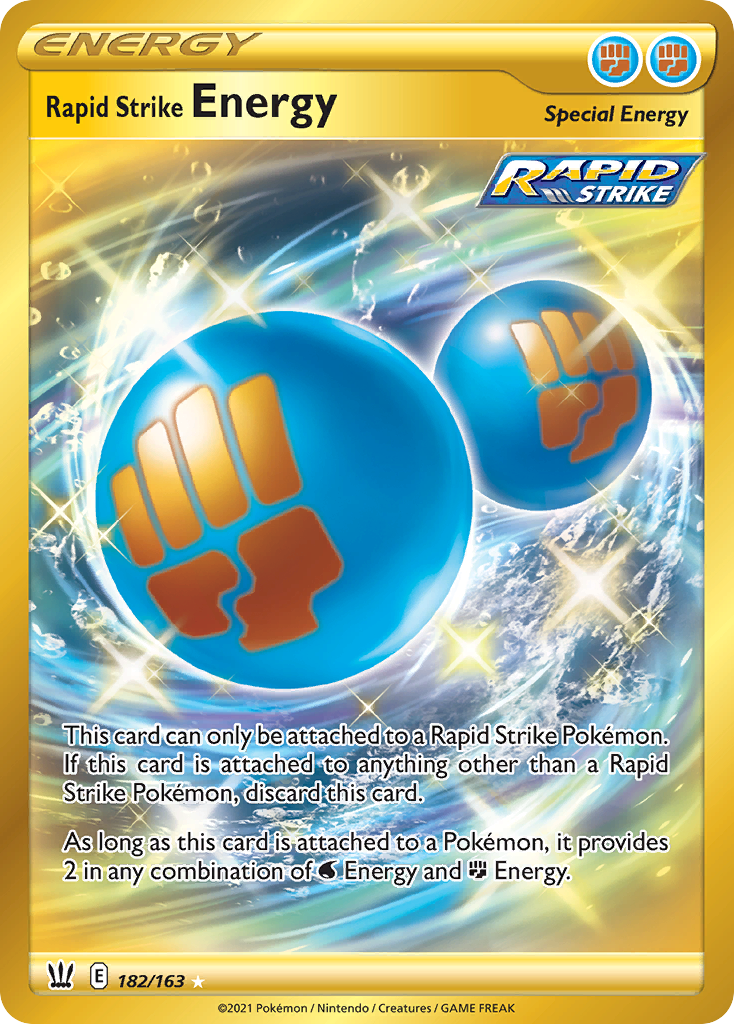


| Supertype | Energy |
|---|---|
| Subtype | Special |
| Artist | |
| Rarity | Rare Secret |
Vendor Information
- Store Name: DutchGem
- Vendor: DutchGem
-
Address:
gekkestraat
179
2345GT Utrecht
Chilling Reign
Long ago, during a time when droves of factories fouled the air with pollution, Weezing changed into this form for some reason.
Guardians Rising
The weakest of all Dragon-type Pokémon, it's unable to breathe if its skin dries out, so it sticks to shady places.
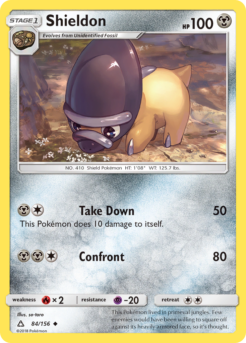
Sun & Moon
This Pokémon lived in primeval jungles. Few enemies would have been willing to square off against its heavily armored face, so it's thought.
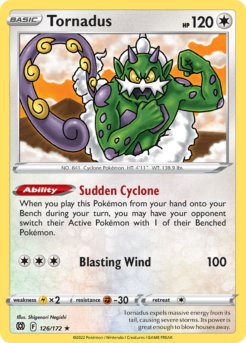
Brilliant Stars
Tornadus expels massive energy from its tail, causing severe storms. Its power is great enough to blow houses away.
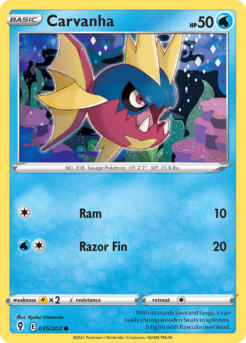
Evolving Skies
With its sturdy jaws and fangs, it can easily chomp wooden boats to splinters. It fights with Basculin over food.
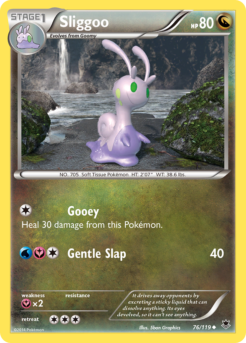
Phantom Forces
It drives away opponents by excreting a sticky liquid that can dissolve anything. Its eyes devolved, so it can't see anything.
Related products
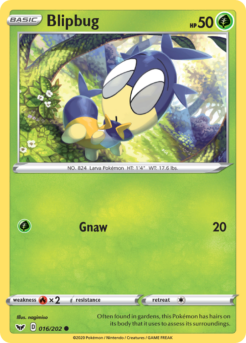
Sword & Shield
Often found in gardens, this Pokémon has hairs on its body that it uses to assess its surroundings.
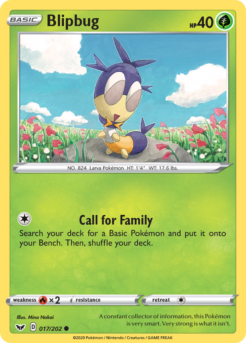
Sword & Shield
A constant collector of information, this Pokémon is very smart. Very strong is what it isn't.
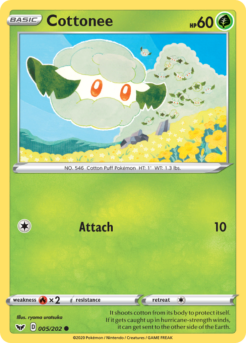
Sword & Shield
It shoots cotton from its body to protect itself. If it gets caught up in hurricane-strength winds, it can get sent to the other side of the Earth.
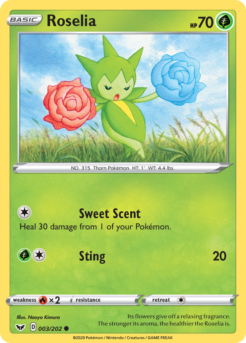
Sword & Shield
Its flowers give off a relaxing fragrance. The stronger its aroma, the healthier the Roselia is.
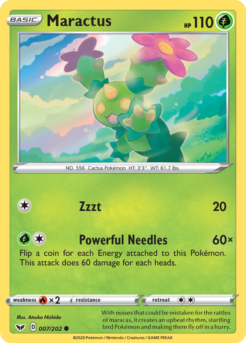
Sword & Shield
With noises that could be mistaken for the rattles of maracas, it creates an upbeat rhythm, startling bird Pokémon and making them fly off in a hurry.
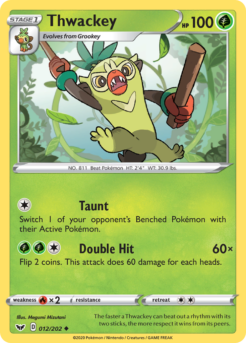
Sword & Shield
The faster a Thwackey can beat out a rhythm with its two sticks, the more respect it wins from its peers.
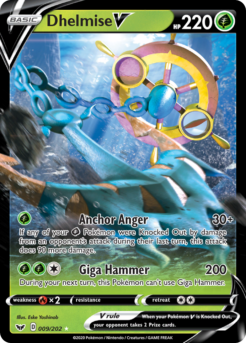
Sword & Shield
If any of your Grass Pokémon were Knocked Out by damage from an opponent’s attack during their last turn, this attack does 90 more damage.
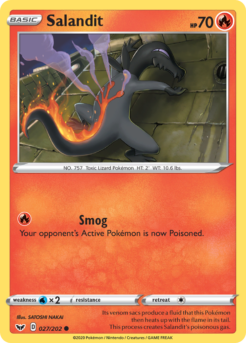
Sword & Shield
Its venom sacs produce a fluid that this Pokémon then heats up with the flame in its tail. This process creates Salandit's poisonous gas.