



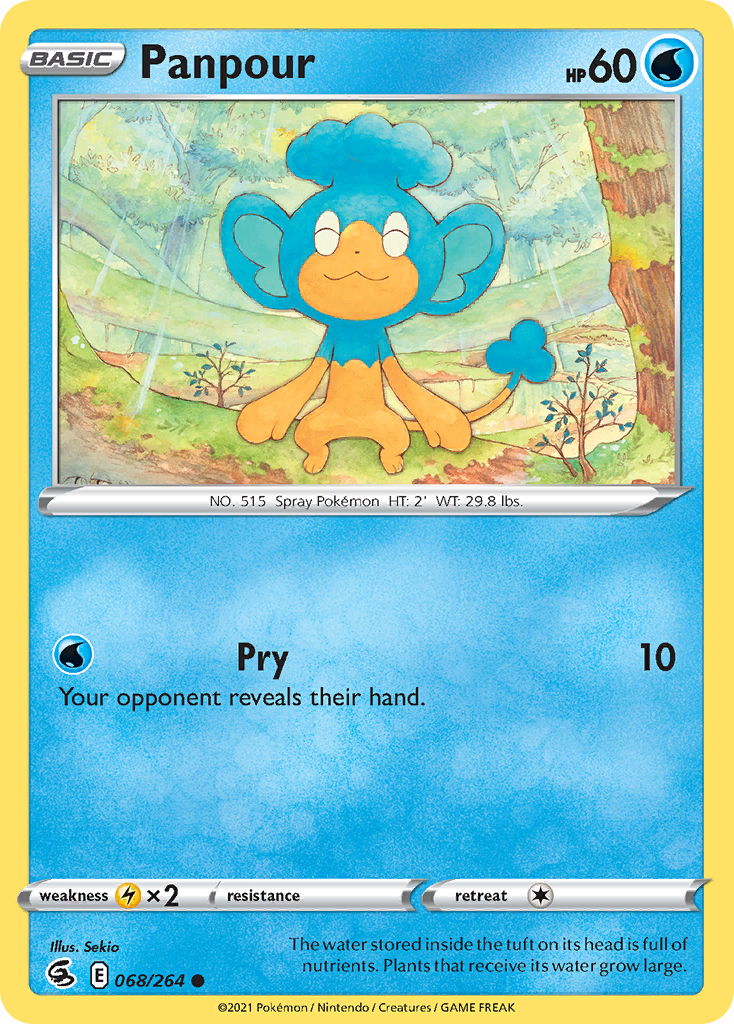
Panpour
The water stored inside the tuft on its head is full of nutrients. Plants that receive its water grow large.
Your opponent reveals their hand.
| Supertype | Pokémon |
|---|---|
| Subtype | Basic |
| HP | 60 |
| Types | Water |
| Attack | Pry |
| Attack cost | Water |
| Artist | Sekio |
| Rarity | Common |
| Pokédex | 515 |
| Evolves to | Simipour |
Vendor Information
- Store Name: DutchGem
- Vendor: DutchGem
-
Address:
gekkestraat
179
2345GT Utrecht
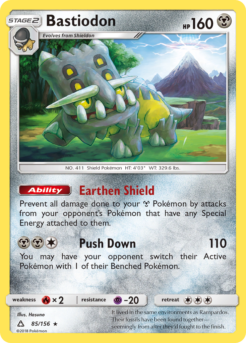
Sun & Moon
It lived in the same environments as Rampardos. Their fossils have been found together—seemingly from after they'd fought to the finish.
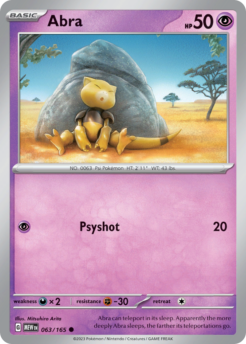
151
Abra can teleport in its sleep. Apparently the more deeply Abra sleeps, the farther its teleportations go.
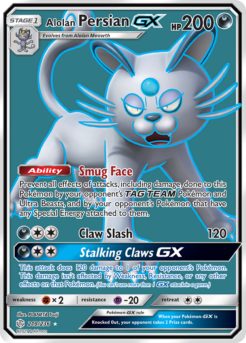
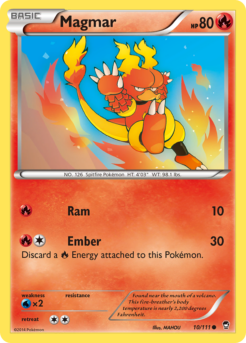
Furious Fists
Found near the mouth of a volcano. This fire-breather's body temperature is nearly 2,200 degrees Fahrenheit.
BREAKpoint
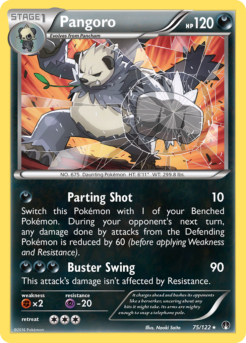
It charges ahead and bashes its opponents like a berserker, uncaring about any hits it might take. Its arms are mighty enough to snap a telephone pole.

Related products
Sword & Shield
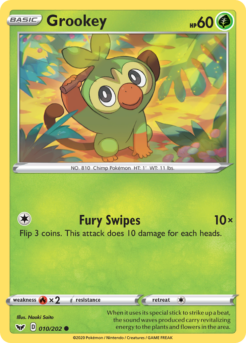
When it uses its special stick to strike up a beat, the sound waves produced carry revitalizing energy to the plants and flowers in the area.
Sword & Shield
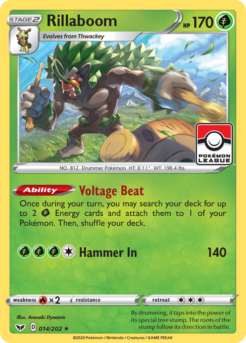
By drumming, it taps into the power of its special tree stump. The roots of the stump follow its direction in battle.
Sword & Shield
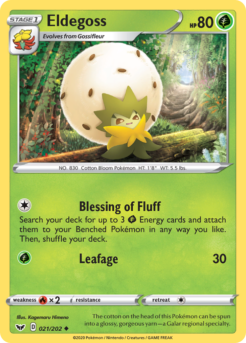
The cotton on the head of this Pokémon can be spun into a glossy, gorgeous yarn—a Galar regional specialty.
Sword & Shield
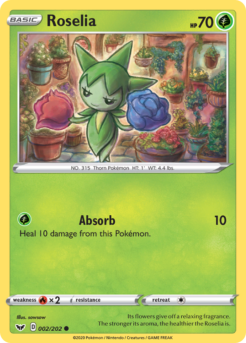
Its flowers give off a relaxing fragrance. The stronger its aroma, the healthier the Roselia is.
Sword & Shield
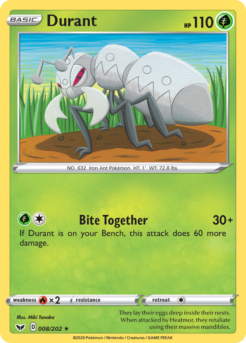
They lay their eggs deep inside their nests. When attacked by Heatmor, they retaliate using their massive mandibles.
Sword & Shield
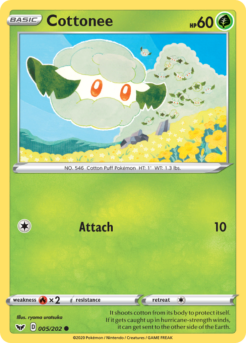
It shoots cotton from its body to protect itself. If it gets caught up in hurricane-strength winds, it can get sent to the other side of the Earth.
Sword & Shield
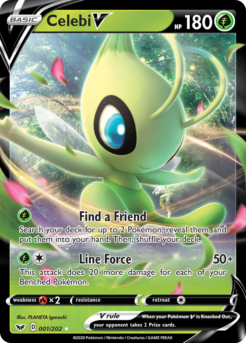
Search your deck for up to 2 Pokémon, reveal them, and put them into your hand. Then, shuffle your deck.
Sword & Shield
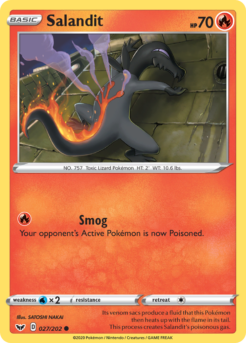
Its venom sacs produce a fluid that this Pokémon then heats up with the flame in its tail. This process creates Salandit's poisonous gas.