



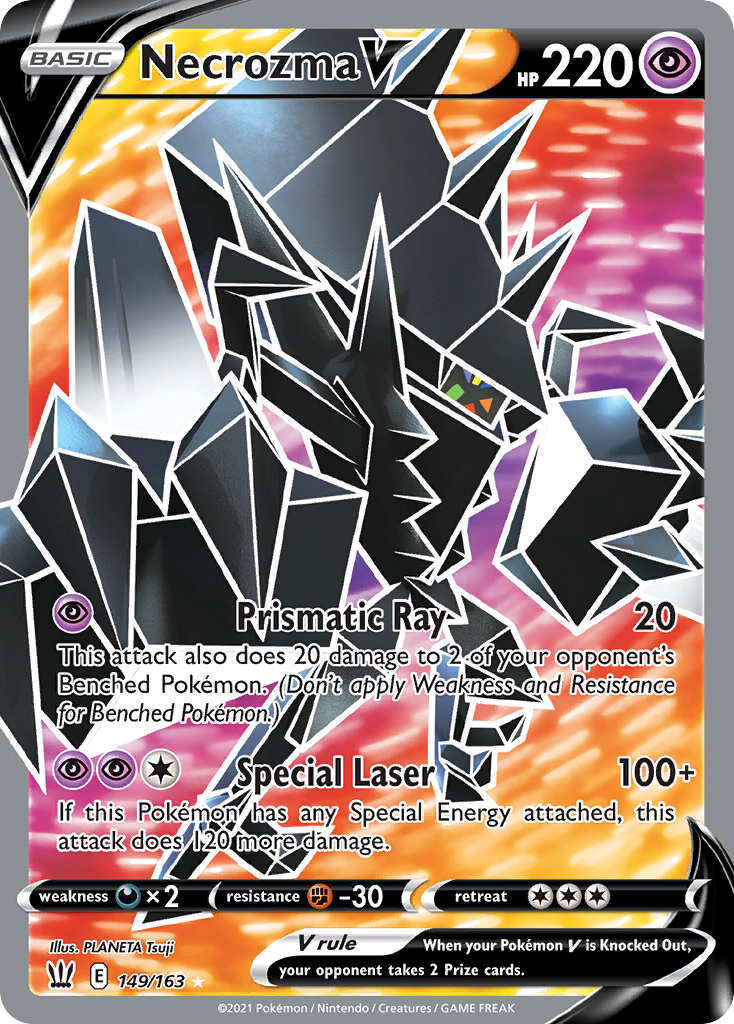
This attack also does 20 damage to 2 of your opponent’s Benched Pokémon. (Don’t apply Weakness and Resistance for Benched Pokémon.)
| Supertype | Pokémon |
|---|---|
| Subtype | Basic |
| HP | 220 |
| Types | Psychic |
| Attack | Prismatic Ray |
| Attack cost | Psychic |
| Artist | PLANETA Tsuji |
| Rarity | Rare Ultra |
| Pokédex | 800 |
Vendor Information
- Store Name: DutchGem
- Vendor: DutchGem
-
Address:
gekkestraat
179
2345GT Utrecht
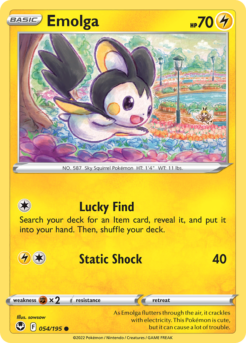
Silver Tempest
As Emolga flutters through the air, it crackles with electricity. This Pokémon is cute, but it can cause a lot of trouble.
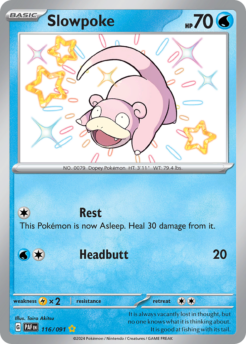
Paldean Fates
It is always vacantly lost in thought, but no one knows what it is thinking about. It is good at fishing with its tail.
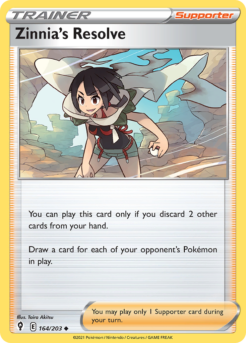
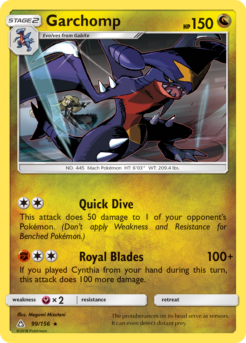
Sun & Moon
The protuberances on its head serve as sensors. It can even detect distant prey.
Base
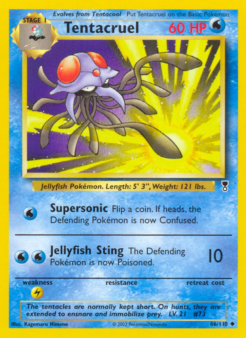
The tentacles are normally kept short. On hunts, the are extended to ensnare and immobilize prey.
Related products
Sword & Shield
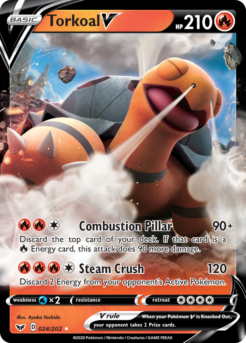
Discard the top card of your deck. If that card is a Fire Energy card, this attack does 90 more damage.
Sword & Shield
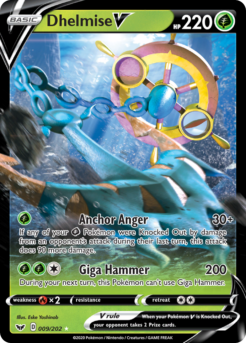
If any of your Grass Pokémon were Knocked Out by damage from an opponent’s attack during their last turn, this attack does 90 more damage.
Sword & Shield
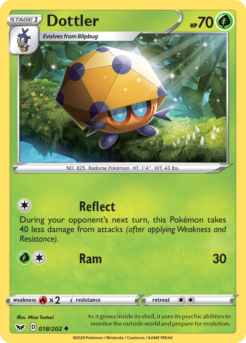
As it grows inside its shell, it uses its psychic abilities to monitor the outside world and prepare for evolution.
Sword & Shield
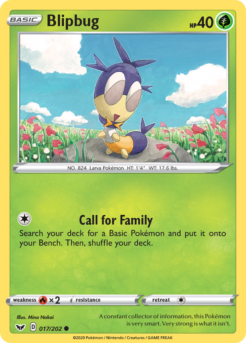
A constant collector of information, this Pokémon is very smart. Very strong is what it isn't.
Sword & Shield
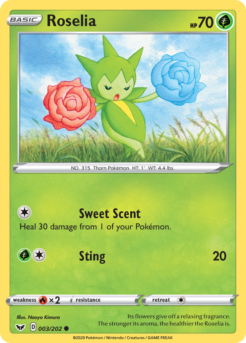
Its flowers give off a relaxing fragrance. The stronger its aroma, the healthier the Roselia is.
Sword & Shield
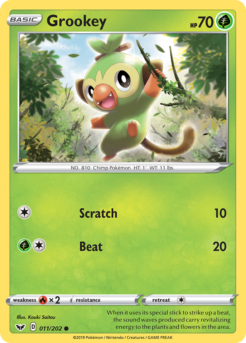
When it uses its special stick to strike up a beat, the sound waves produced carry revitalizing energy to the plants and flowers in the area.
Sword & Shield
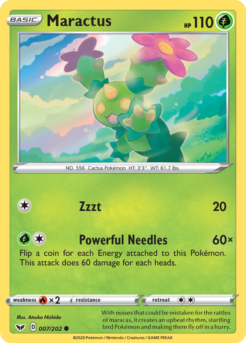
With noises that could be mistaken for the rattles of maracas, it creates an upbeat rhythm, startling bird Pokémon and making them fly off in a hurry.
Sword & Shield
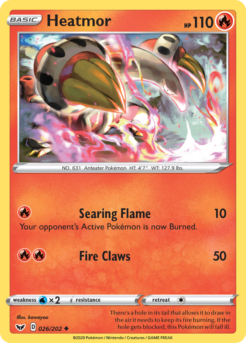
There's a hole in its tail that allows it to draw in the air it needs to keep its fire burning. If the hole gets blocked, this Pokémon will fall ill.