



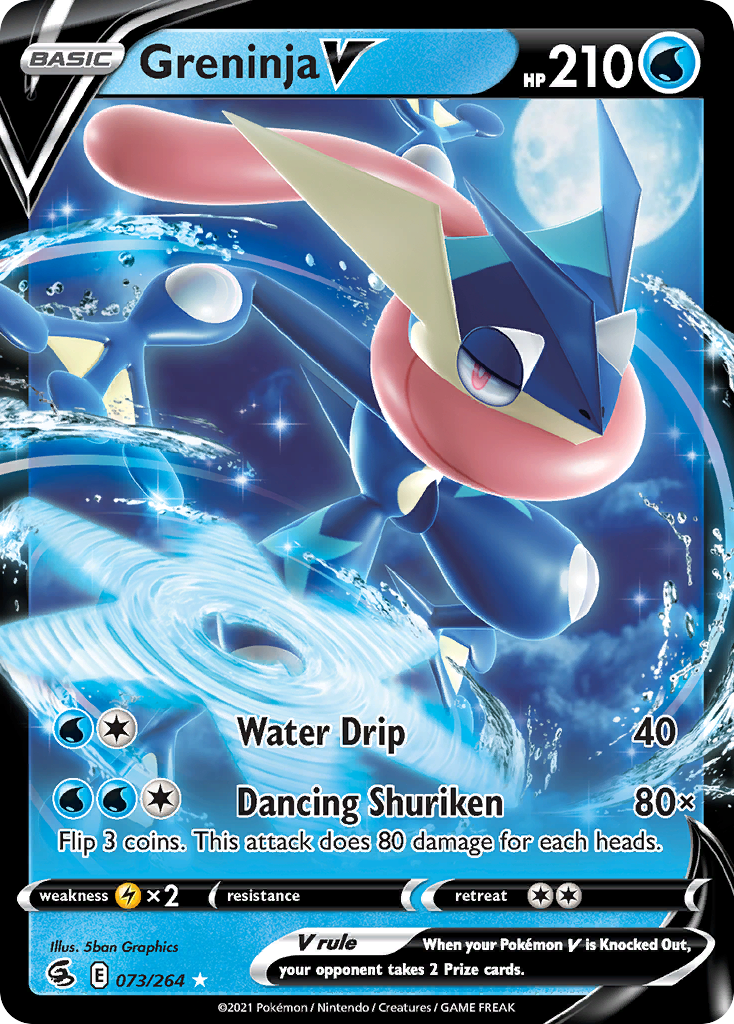
| Supertype | Pokémon |
|---|---|
| Subtype | Basic |
| HP | 210 |
| Types | Water |
| Attack | Water Drip |
| Attack cost | Water |
| Artist | 5ban Graphics |
| Rarity | Rare Holo V |
| Pokédex | 658 |
Vendor Information
- Store Name: DutchGem
- Vendor: DutchGem
-
Address:
gekkestraat
179
2345GT Utrecht
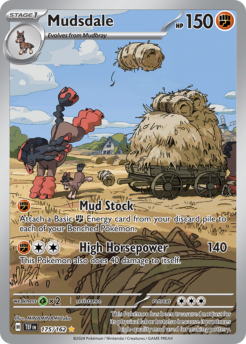
Scarlet & Violet
This Pokémon has been treasured not just for its physical labor but also because it produces high-quality mud used for making pottery.
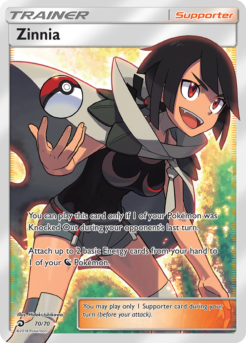

Evolutions
Covered with light blue fur, its hide is thick and tough. It is active in bitter cold of -40 degrees Fahrenheit.
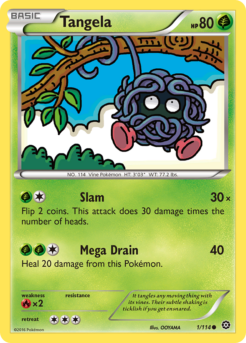
Steam Siege
It tangles any moving thing with its vines. Their subtle shaking is ticklish if you get ensnared.
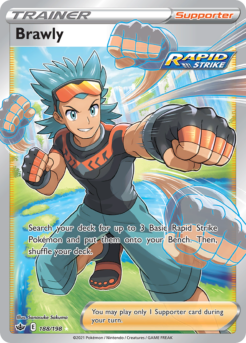
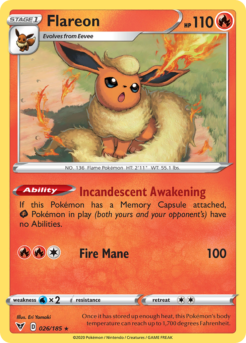
Sword & Shield
Once it has stored up enough heat, this Pokémon's body temperature can reach up to 1,700 degrees Fahrenheit.
Related products
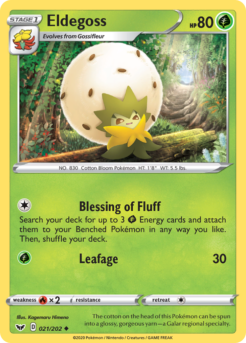
Sword & Shield
The cotton on the head of this Pokémon can be spun into a glossy, gorgeous yarn—a Galar regional specialty.
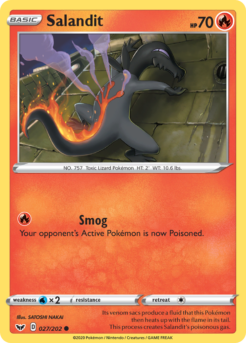
Sword & Shield
Its venom sacs produce a fluid that this Pokémon then heats up with the flame in its tail. This process creates Salandit's poisonous gas.
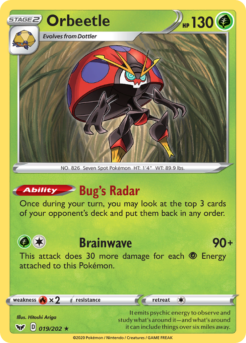
Sword & Shield
It emits psychic energy to observe and study what's around it—and what's around it can include things over six miles away.
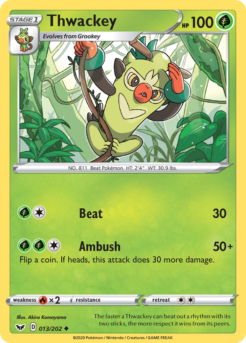
Sword & Shield
The faster a Thwackey can beat out a rhythm with its two sticks, the more respect it wins from its peers.
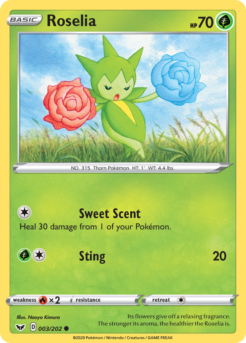
Sword & Shield
Its flowers give off a relaxing fragrance. The stronger its aroma, the healthier the Roselia is.
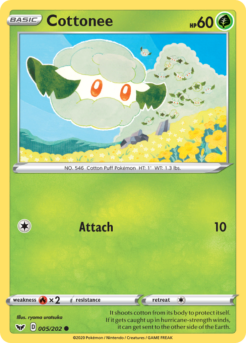
Sword & Shield
It shoots cotton from its body to protect itself. If it gets caught up in hurricane-strength winds, it can get sent to the other side of the Earth.
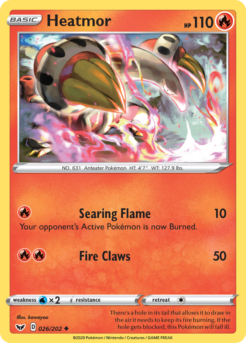
Sword & Shield
There's a hole in its tail that allows it to draw in the air it needs to keep its fire burning. If the hole gets blocked, this Pokémon will fall ill.
Sword & Shield
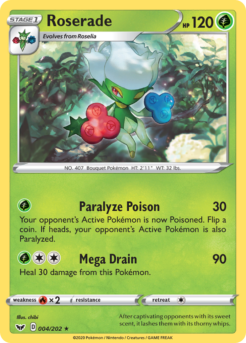
After captivating opponents with its sweet scent, it lashes them with its thorny whips.