



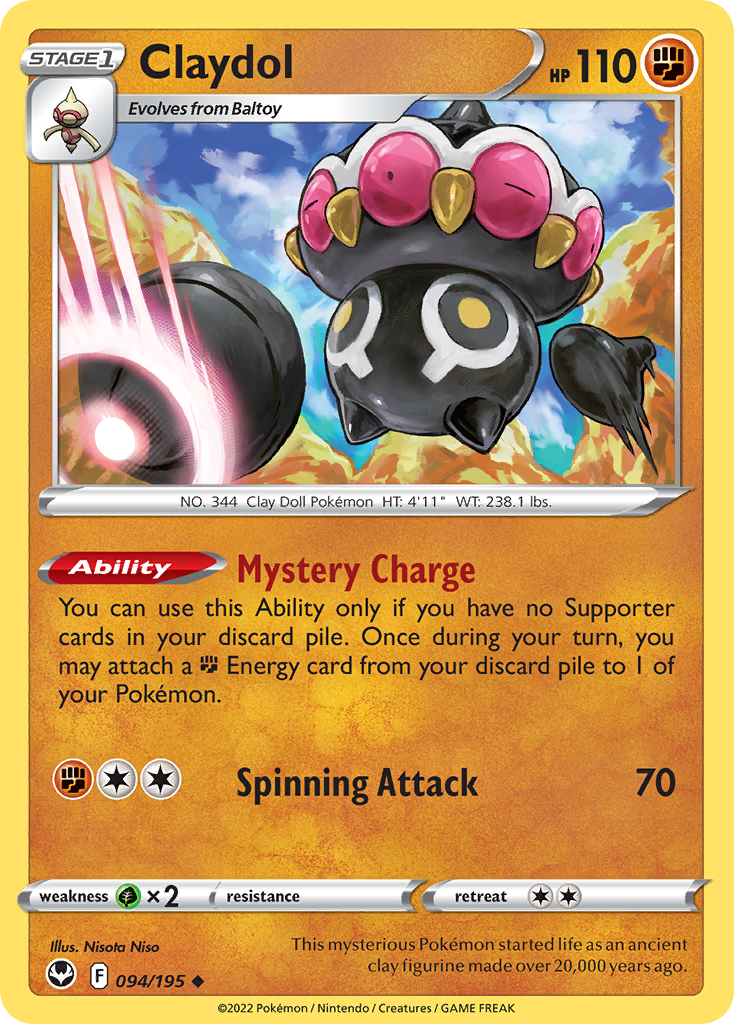
Claydol
This mysterious Pokémon started life as an ancient clay figurine made over 20,000 years ago.
| Supertype | Pokémon |
|---|---|
| Subtype | Stage 1 |
| HP | 110 |
| Types | Fighting |
| Attack | Spinning Attack |
| Attack cost | Fighting |
| Artist | Nisota Niso |
| Rarity | Uncommon |
| Pokédex | 344 |
| Evolves from | Baltoy |
Vendor Information
- Store Name: DutchGem
- Vendor: DutchGem
-
Address:
gekkestraat
179
2345GT Utrecht
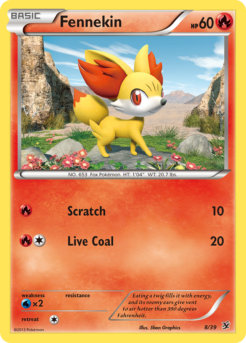
Kalos Starter Set
Eating a twig fills it with energy, and its roomy ears give vent to air hotter than 390 degrees Fahrenheit.
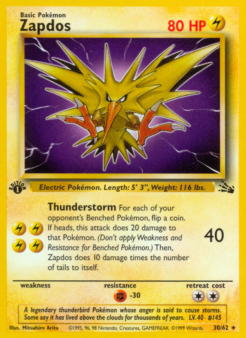
Base
A legendary thunderbird Pokémon whose anger is said to cause storms. Some say it has lived above the clouds for thousands of years.
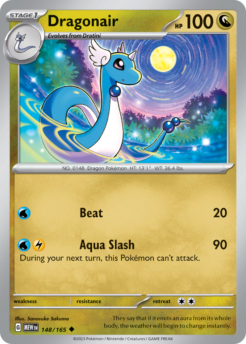
151
They say that if it emits an aura from its whole body, the weather will begin to change instantly.
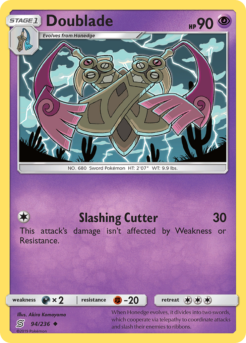
Sun & Moon
When Honedge evolves, it divides into two swords, which cooperate via telepathy to coordinate attacks and slash their enemies to ribbons.
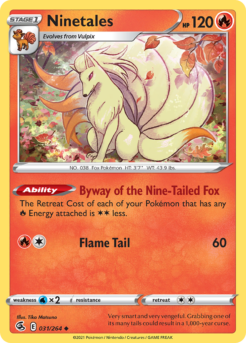
Fusion Strike
Very smart and very vengeful. Grabbing one of its many tails could result in a 1,000-year curse.
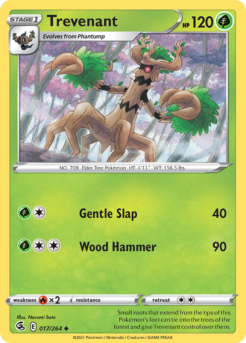
Fusion Strike
Small roots that extend from the tips of this Pokémon's feet can tie into the trees of the forest and give Trevenant control over them.
Related products
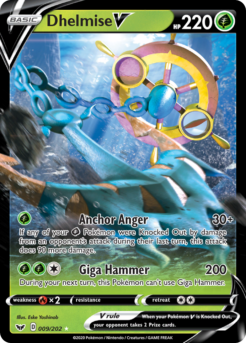
Sword & Shield
If any of your Grass Pokémon were Knocked Out by damage from an opponent’s attack during their last turn, this attack does 90 more damage.
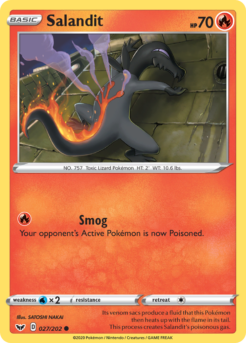
Sword & Shield
Its venom sacs produce a fluid that this Pokémon then heats up with the flame in its tail. This process creates Salandit's poisonous gas.
Sword & Shield
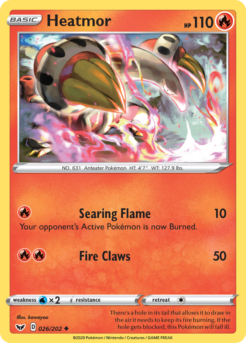
There's a hole in its tail that allows it to draw in the air it needs to keep its fire burning. If the hole gets blocked, this Pokémon will fall ill.
Sword & Shield
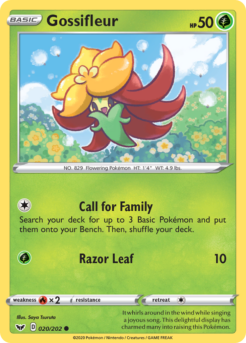
It whirls around in the wind while singing a joyous song. This delightful display has charmed many into raising this Pokémon.
Sword & Shield
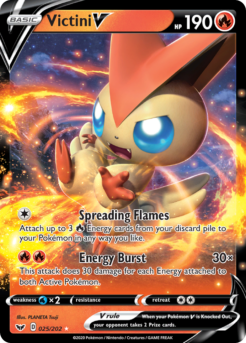
Attach up to 3 Fire Energy cards from your discard pile to your Pokémon in any way you like.
Sword & Shield
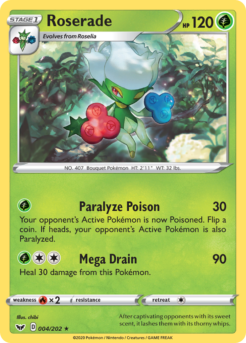
After captivating opponents with its sweet scent, it lashes them with its thorny whips.
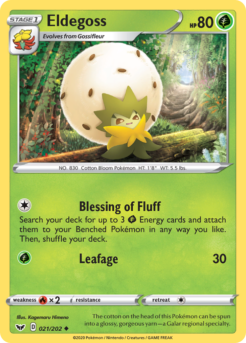
Sword & Shield
The cotton on the head of this Pokémon can be spun into a glossy, gorgeous yarn—a Galar regional specialty.
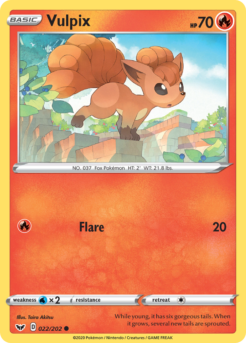
Sword & Shield
While young, it has six gorgeous tails. When it grows, several new tails are sprouted.