



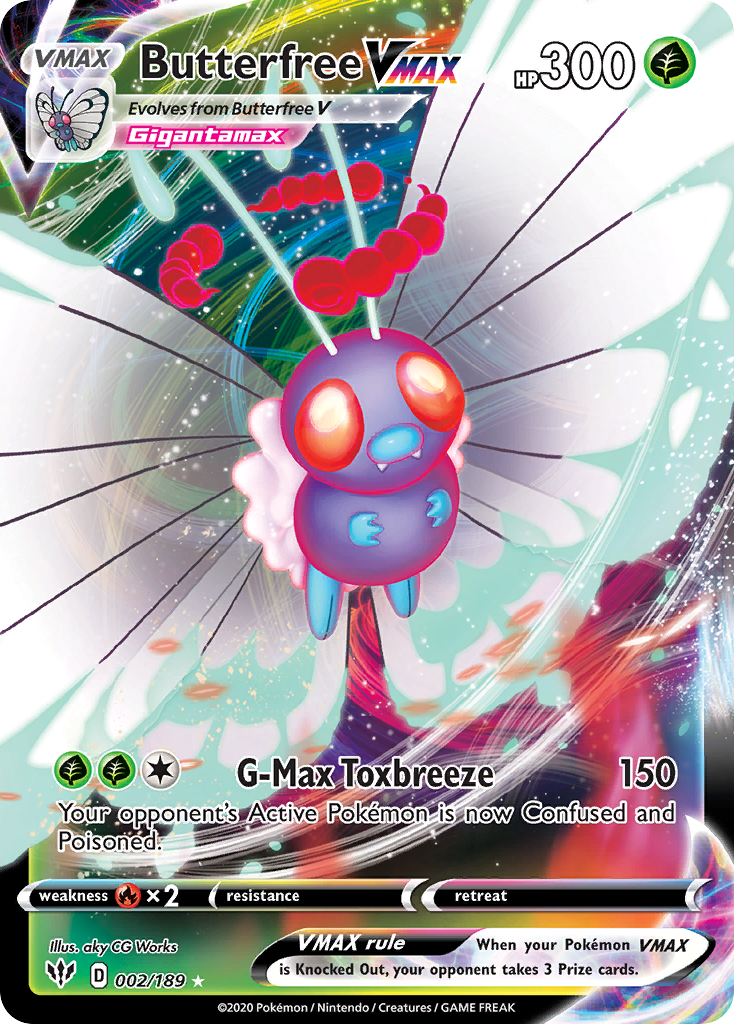
Your opponent’s Active Pokémon is now Confused and Poisoned.
| Supertype | Pokémon |
|---|---|
| Subtype | VMAX |
| HP | 300 |
| Types | Grass |
| Attack | G-Max Toxbreeze |
| Attack cost | Grass |
| Artist | aky CG Works |
| Rarity | Rare Holo VMAX |
| Pokédex | 12 |
| Evolves from | Butterfree V |
Vendor Information
- Store Name: DutchGem
- Vendor: DutchGem
-
Address:
gekkestraat
179
2345GT Utrecht
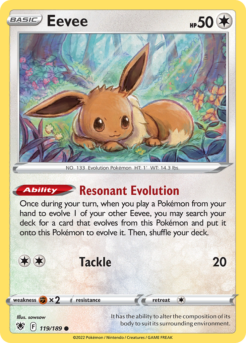
Astral Radiance
It has the ability to alter the composition of its body to suit its surrounding environment.
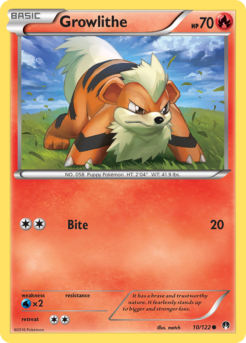
BREAKpoint
It has a brave and trustworthy nature. It fearlessly stands up to bigger and stronger foes.
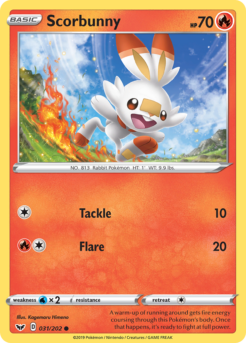
Sword & Shield
A warm-up of running around gets fire energy coursing through this Pokémon's body. Once that happens, it's ready to fight at full power.
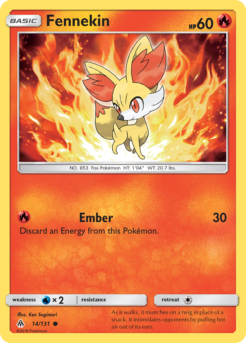
Forbidden Light
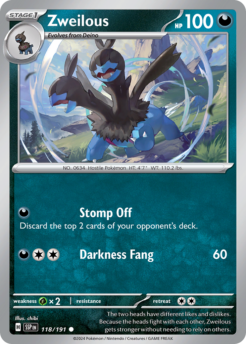
As it walks, it munches on a twig in place of a snack. It intimidates opponents by puffing hot air out of its ears.
Sword & Shield
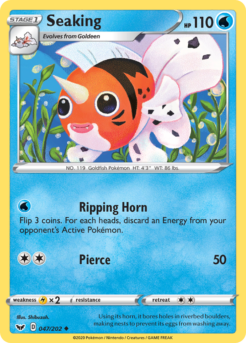
Using its horn, it bores holes in riverbed boulders, making nests to prevent its eggs from washing away.
Related products
Sword & Shield
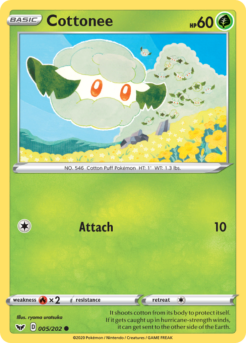
It shoots cotton from its body to protect itself. If it gets caught up in hurricane-strength winds, it can get sent to the other side of the Earth.
Sword & Shield
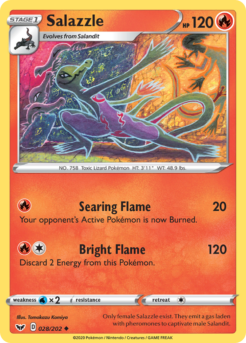
Only female Salazzle exist. They emit a gas laden with pheromones to captivate male Salandit.
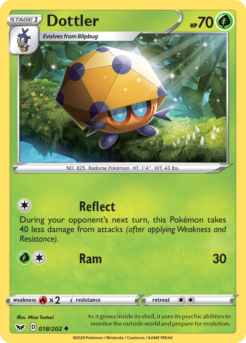
Sword & Shield
As it grows inside its shell, it uses its psychic abilities to monitor the outside world and prepare for evolution.
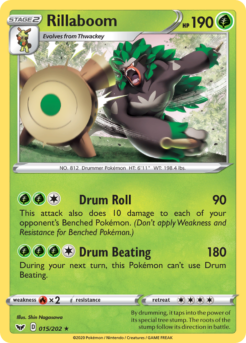
Sword & Shield
By drumming, it taps into the power of its special tree stump. The roots of the stump follow its direction in battle.
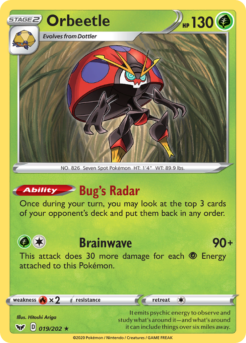
Sword & Shield
It emits psychic energy to observe and study what's around it—and what's around it can include things over six miles away.
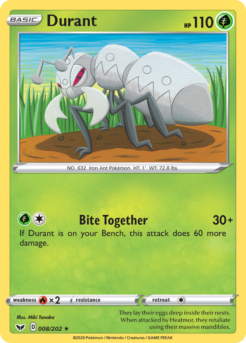
Sword & Shield
They lay their eggs deep inside their nests. When attacked by Heatmor, they retaliate using their massive mandibles.
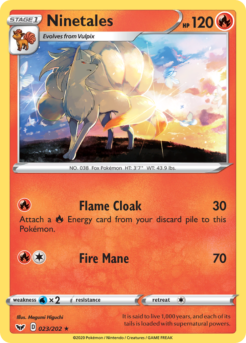
Sword & Shield
It is said to live 1,000 years, and each of its tails is loaded with supernatural powers.
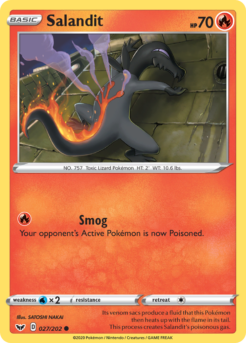
Sword & Shield
Its venom sacs produce a fluid that this Pokémon then heats up with the flame in its tail. This process creates Salandit's poisonous gas.