



Butterfree
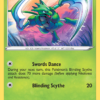
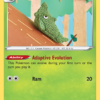
In battle, it flaps its wings at great speed to release highly toxic dust into the air.
Your opponent’s Active Pokémon is now Burned, Confused, and Poisoned.
| Supertype | Pokémon |
|---|---|
| Subtype | Stage 2 |
| HP | 140 |
| Types | Grass |
| Attack | Panic Poison |
| Attack cost | Grass |
| Artist | Taira Akitsu |
| Rarity | Rare |
| Pokédex | 12 |
| Evolves from | Metapod |
Vendor Information
- Store Name: DutchGem
- Vendor: DutchGem
-
Address:
gekkestraat
179
2345GT Utrecht
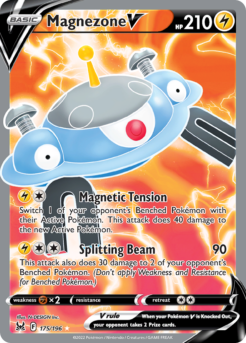
Lost Origin
Switch 1 of your opponent’s Benched Pokémon with their Active Pokémon. This attack does 40 damage to the new Active Pokémon.
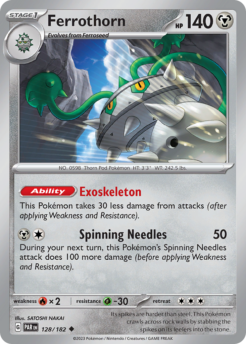
Paradox Rift
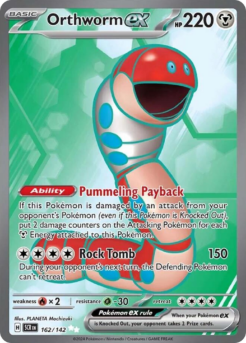
Its spikes are harder than steel. This Pokémon crawls across rock walls by stabbing the spikes on its feelers into the stone.
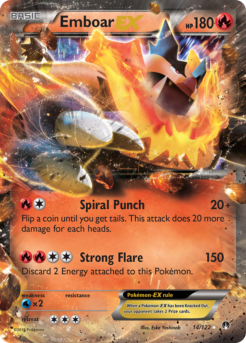
BREAKpoint
Flip a coin until you get tails. This attack does 20 more damage for each heads.
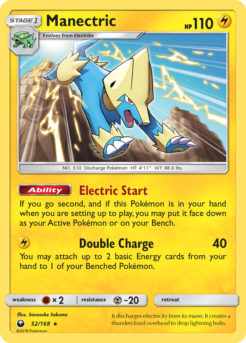
Celestial Storm
It discharges electricity from its mane. It creates a thundercloud overhead to drop lightning bolts.
Related products
Sword & Shield
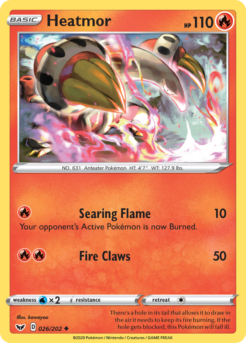
There's a hole in its tail that allows it to draw in the air it needs to keep its fire burning. If the hole gets blocked, this Pokémon will fall ill.
Sword & Shield
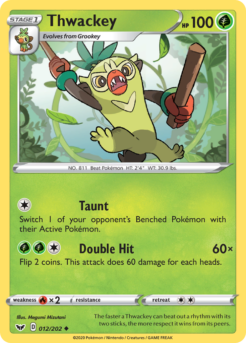
The faster a Thwackey can beat out a rhythm with its two sticks, the more respect it wins from its peers.
Sword & Shield
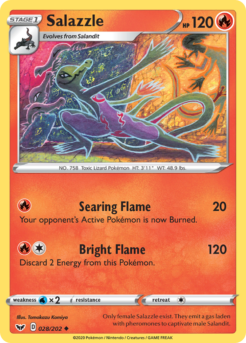
Only female Salazzle exist. They emit a gas laden with pheromones to captivate male Salandit.
Sword & Shield
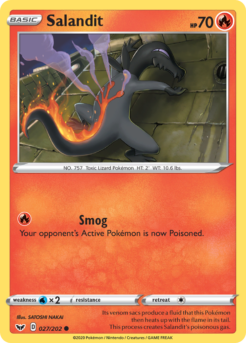
Its venom sacs produce a fluid that this Pokémon then heats up with the flame in its tail. This process creates Salandit's poisonous gas.
Sword & Shield
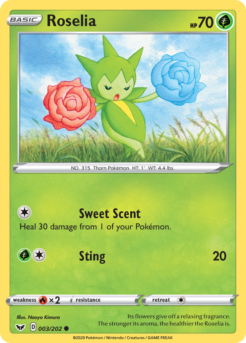
Its flowers give off a relaxing fragrance. The stronger its aroma, the healthier the Roselia is.
Sword & Shield
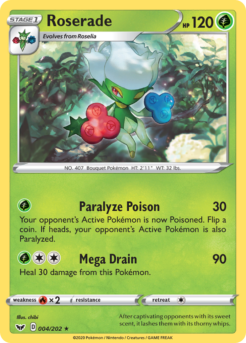
After captivating opponents with its sweet scent, it lashes them with its thorny whips.
Sword & Shield
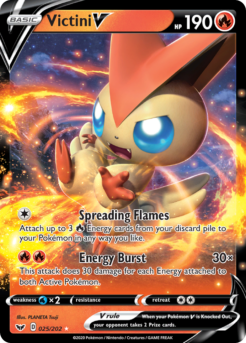
Attach up to 3 Fire Energy cards from your discard pile to your Pokémon in any way you like.
Sword & Shield
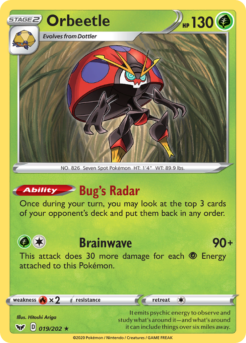
It emits psychic energy to observe and study what's around it—and what's around it can include things over six miles away.