



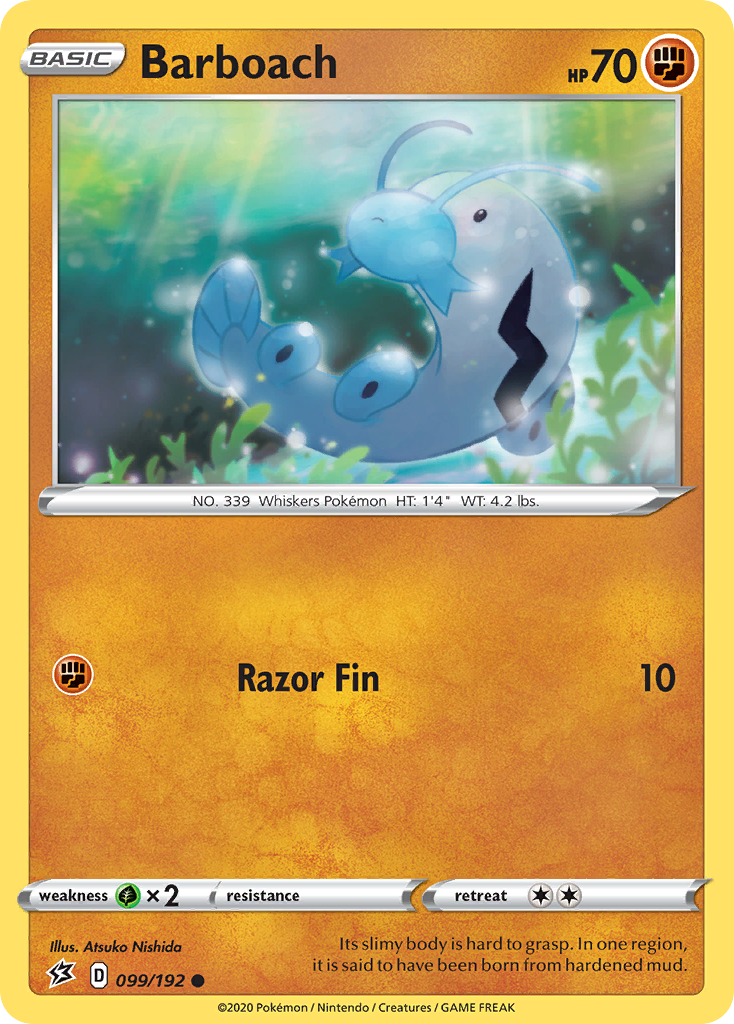
Barboach

Its slimy body is hard to grasp. In one region, it is said to have been born from hardened mud.
| Supertype | Pokémon |
|---|---|
| Subtype | Basic |
| HP | 70 |
| Types | Fighting |
| Attack | Razor Fin |
| Attack cost | Fighting |
| Artist | Atsuko Nishida |
| Rarity | Common |
| Pokédex | 339 |
| Evolves to | Whiscash |
Vendor Information
- Store Name: DutchGem
- Vendor: DutchGem
-
Address:
gekkestraat
179
2345GT Utrecht
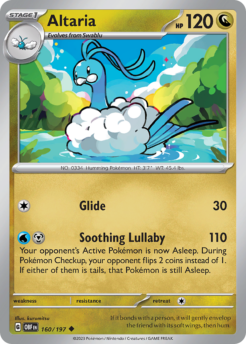
Obsidian Flames
If it bonds with a person, it will gently envelop the friend with its soft wings, then hum.

Guardians Rising
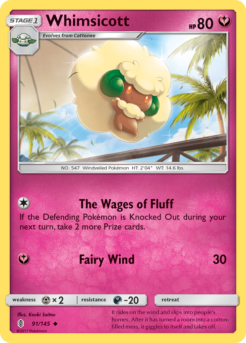
It rides on the wind and slips into people's homes. After it has turned a room into a cotton-filled mess, it giggles to itself and takes off.

Sun & Moon
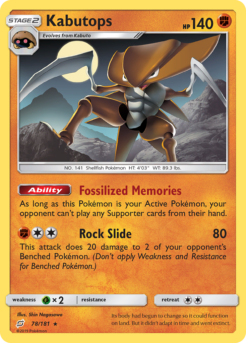
Its body had begun to change so it could function on land. But it didn't adapt in time and went extinct.

Furious Fists
It does its best to be taken seriously by its enemies, but its glare is not sufficiently intimidating. Chewing on a leaf is its trademark.
Related products
Sword & Shield
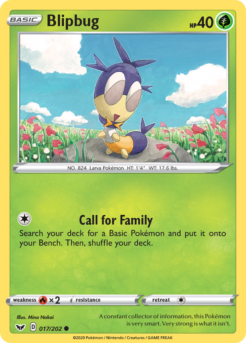
A constant collector of information, this Pokémon is very smart. Very strong is what it isn't.
Sword & Shield
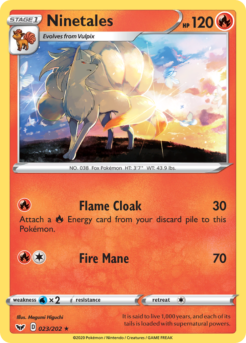
It is said to live 1,000 years, and each of its tails is loaded with supernatural powers.
Sword & Shield
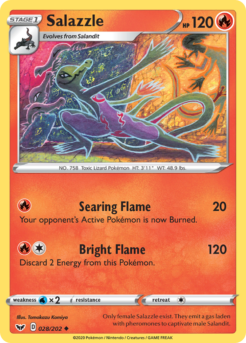
Only female Salazzle exist. They emit a gas laden with pheromones to captivate male Salandit.
Sword & Shield
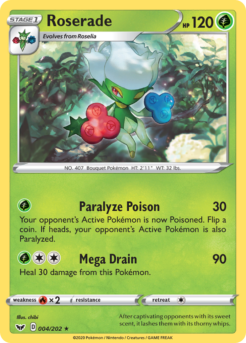
After captivating opponents with its sweet scent, it lashes them with its thorny whips.
Sword & Shield
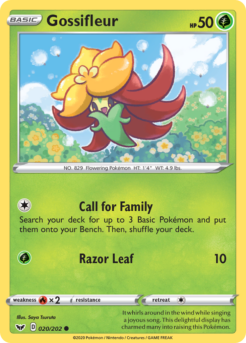
It whirls around in the wind while singing a joyous song. This delightful display has charmed many into raising this Pokémon.
Sword & Shield
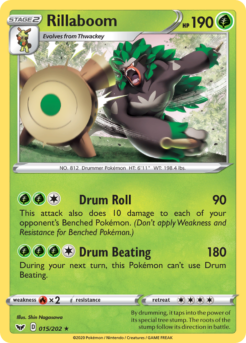
By drumming, it taps into the power of its special tree stump. The roots of the stump follow its direction in battle.
Sword & Shield
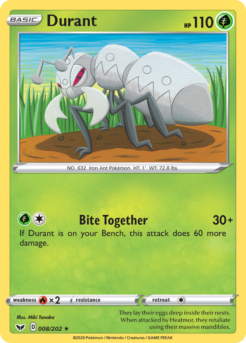
They lay their eggs deep inside their nests. When attacked by Heatmor, they retaliate using their massive mandibles.
Sword & Shield
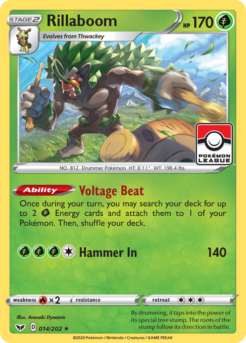
By drumming, it taps into the power of its special tree stump. The roots of the stump follow its direction in battle.