



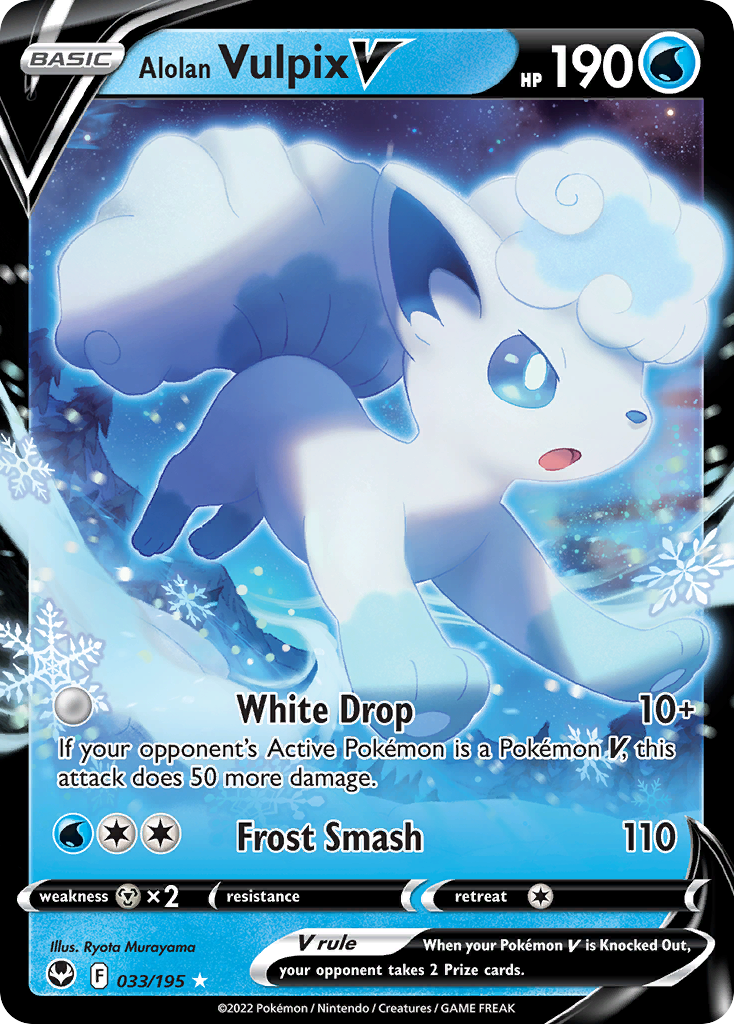
If your opponent’s Active Pokémon is a Pokémon V, this attack does 50 more damage.
| Supertype | Pokémon |
|---|---|
| Subtype | Basic |
| HP | 190 |
| Types | Water |
| Attack | White Drop |
| Artist | Ryota Murayama |
| Rarity | Rare Holo V |
| Pokédex | 37 |
| Evolves to | Ninetales |
Vendor Information
- Store Name: DutchGem
- Vendor: DutchGem
-
Address:
gekkestraat
179
2345GT Utrecht
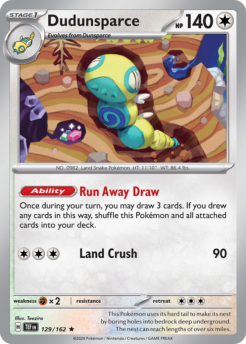
Scarlet & Violet
This Pokémon uses its hard tail to make its nest by boring holes into bedrock deep underground. The nest can reach lengths of over six miles.
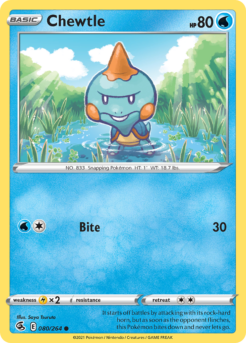
Fusion Strike
It starts off battles by attacking with its rock-hard horn, but as soon as the opponent flinches, this Pokémon bites down and never lets go.
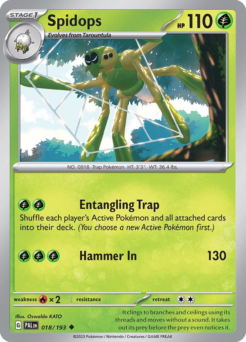
Paldea Evolved
It clings to branches and ceilings using its threads and moves without a sound. It takes out its prey before the prey even notices it.
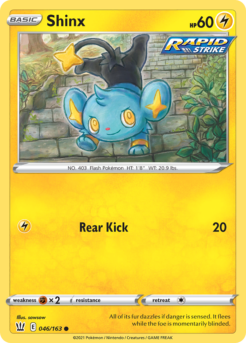
Battle Styles
All of its fur dazzles if danger is sensed. It flees while the foe is momentarily blinded.

Related products
Sword & Shield
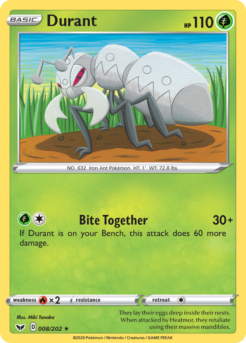
They lay their eggs deep inside their nests. When attacked by Heatmor, they retaliate using their massive mandibles.
Sword & Shield
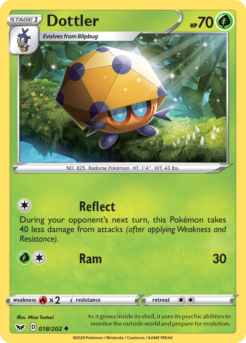
As it grows inside its shell, it uses its psychic abilities to monitor the outside world and prepare for evolution.
Sword & Shield
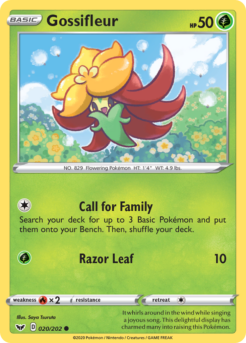
It whirls around in the wind while singing a joyous song. This delightful display has charmed many into raising this Pokémon.
Sword & Shield
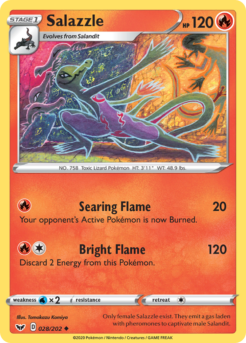
Only female Salazzle exist. They emit a gas laden with pheromones to captivate male Salandit.
Sword & Shield
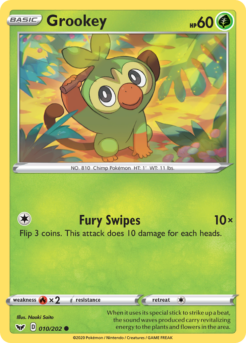
When it uses its special stick to strike up a beat, the sound waves produced carry revitalizing energy to the plants and flowers in the area.
Sword & Shield
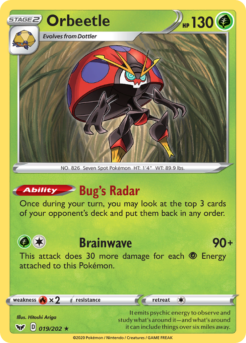
It emits psychic energy to observe and study what's around it—and what's around it can include things over six miles away.
Sword & Shield
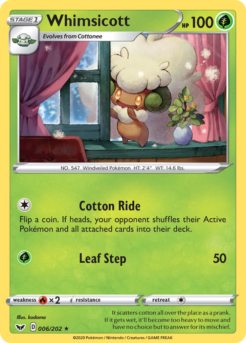
It scatters cotton all over the place as a prank. If it gets wet, it'll become too heavy to move and have no choice but to answer for its mischief.
Sword & Shield
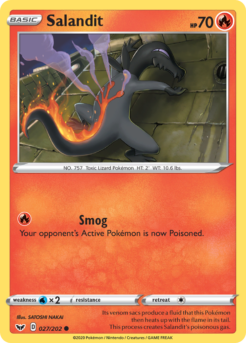
Its venom sacs produce a fluid that this Pokémon then heats up with the flame in its tail. This process creates Salandit's poisonous gas.