



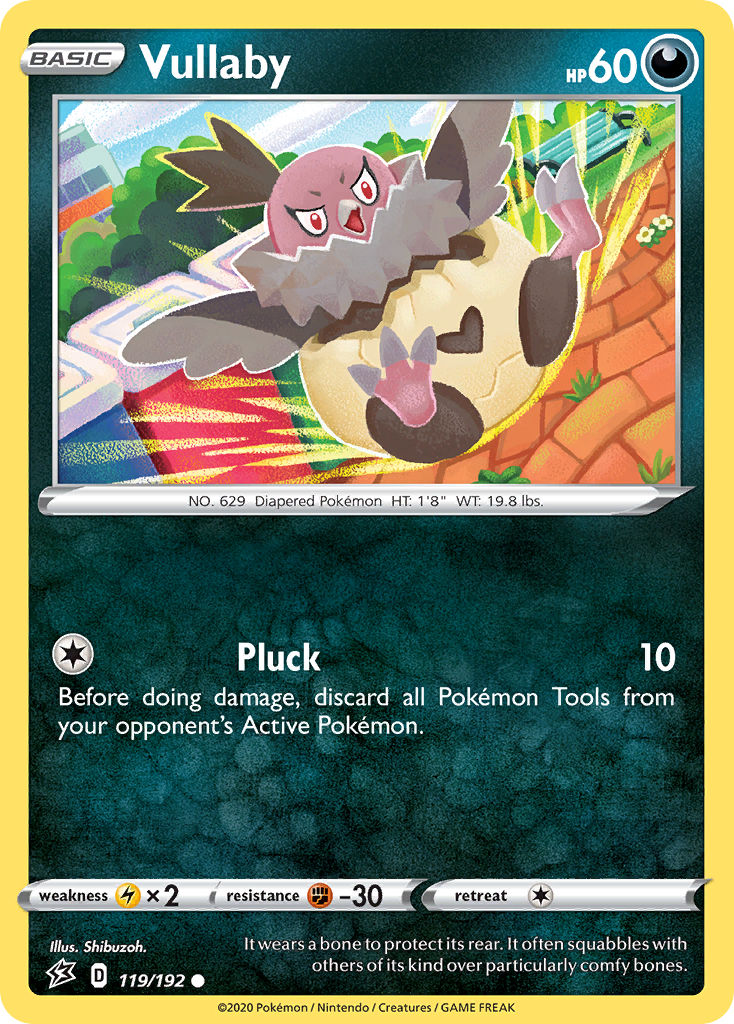
Vullaby

It wears a bone to protect its rear. It often squabbles with others of its kind over particularly comfy bones.
Before doing damage, discard all Pokémon Tools from your opponent’s Active Pokémon.
| Supertype | Pokémon |
|---|---|
| Subtype | Basic |
| HP | 60 |
| Types | Darkness |
| Attack | Pluck |
| Attack cost | Colorless |
| Artist | Shibuzoh. |
| Rarity | Common |
| Pokédex | 629 |
| Evolves to | Mandibuzz |
Vendor Information
- Store Name: DutchGem
- Vendor: DutchGem
-
Address:
gekkestraat
179
2345GT Utrecht
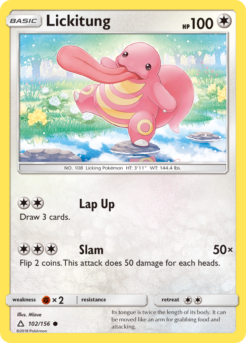
Sun & Moon
Its tongue is twice the length of its body. It can be moved like an arm for grabbing food and attacking.
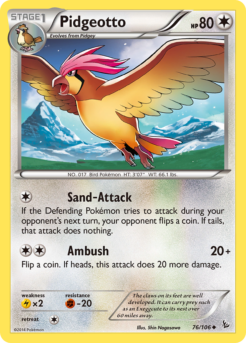
Flashfire
The claws on its feet are well developed. It can carry prey such as an Exeggcute to its nest over 60 miles away.
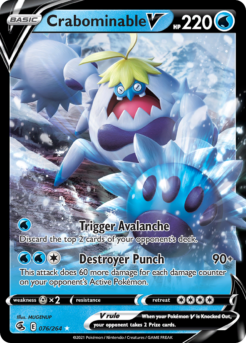

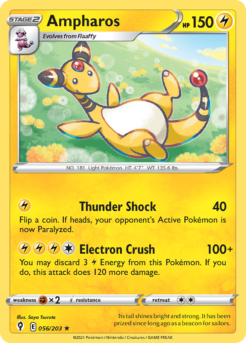
Evolving Skies
Its tail shines bright and strong. It has been prized since long ago as a beacon for sailors.
Related products
Sword & Shield
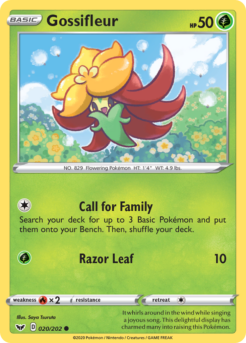
It whirls around in the wind while singing a joyous song. This delightful display has charmed many into raising this Pokémon.
Sword & Shield
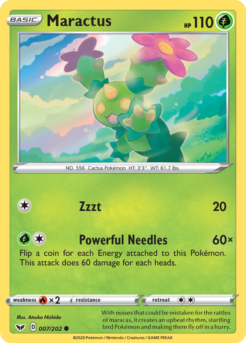
With noises that could be mistaken for the rattles of maracas, it creates an upbeat rhythm, startling bird Pokémon and making them fly off in a hurry.
Sword & Shield
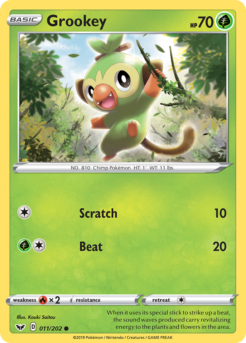
When it uses its special stick to strike up a beat, the sound waves produced carry revitalizing energy to the plants and flowers in the area.
Sword & Shield
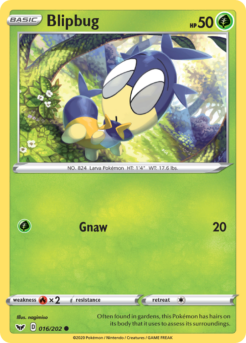
Often found in gardens, this Pokémon has hairs on its body that it uses to assess its surroundings.
Sword & Shield
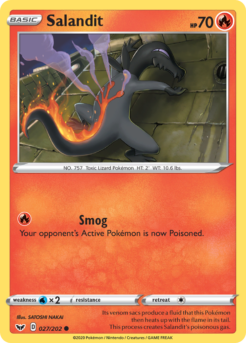
Its venom sacs produce a fluid that this Pokémon then heats up with the flame in its tail. This process creates Salandit's poisonous gas.
Sword & Shield
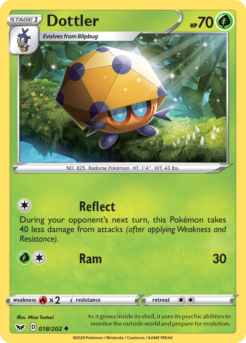
As it grows inside its shell, it uses its psychic abilities to monitor the outside world and prepare for evolution.
Sword & Shield
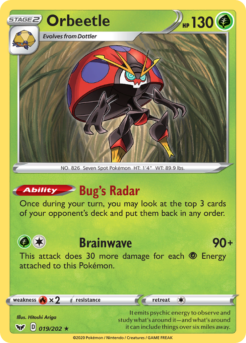
It emits psychic energy to observe and study what's around it—and what's around it can include things over six miles away.
Sword & Shield
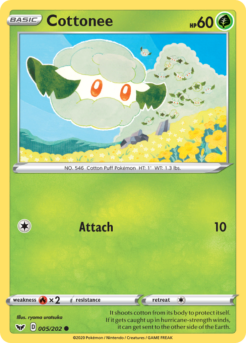
It shoots cotton from its body to protect itself. If it gets caught up in hurricane-strength winds, it can get sent to the other side of the Earth.