



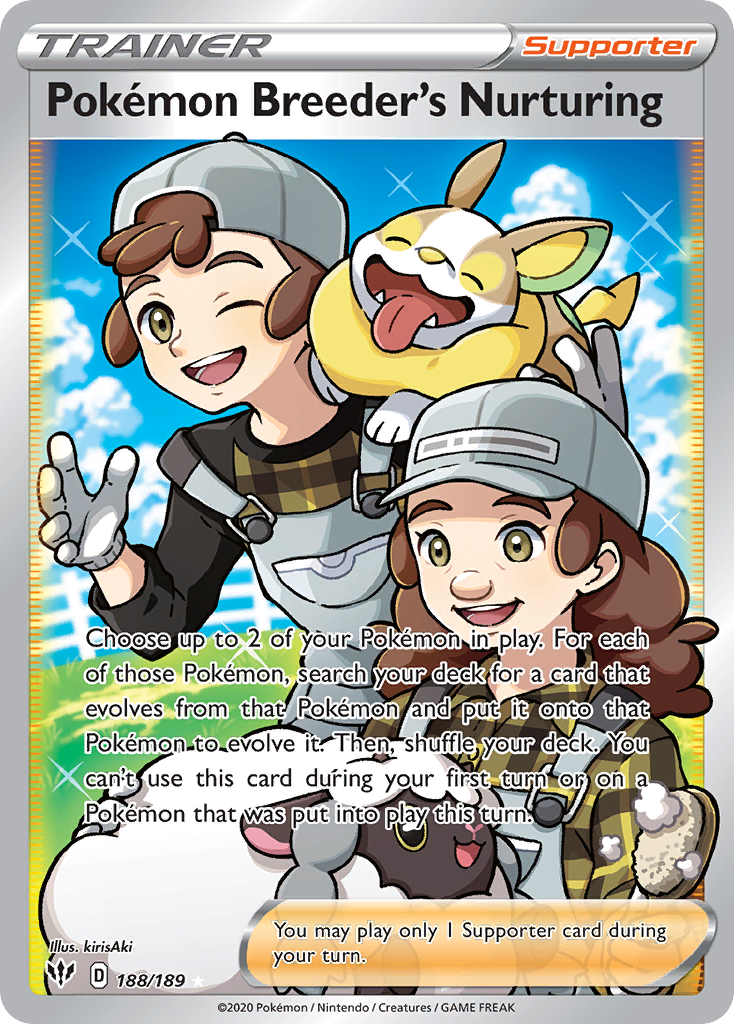

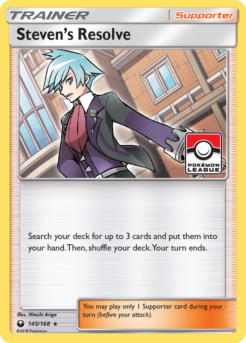
| Supertype | Trainer |
|---|---|
| Subtype | Supporter |
| Artist | kirisAki |
| Rarity | Rare Ultra |
Vendor Information
- Store Name: DutchGem
- Vendor: DutchGem
-
Address:
gekkestraat
179
2345GT Utrecht
Sun & Moon
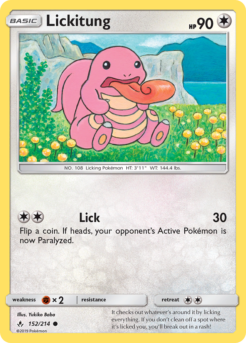
It checks out whatever's around it by licking everything. If you don't clean off a spot where it's licked you, you'll break out in a rash!
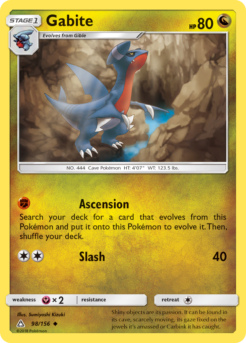
Sun & Moon
Shiny objects are its passion. It can be found in its cave, scarcely moving, its gaze fixed on the jewels it's amassed or Carbink it has caught.
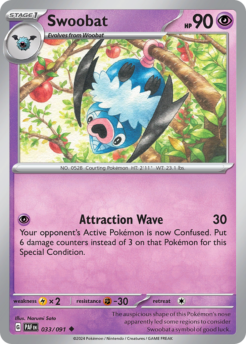
Paldean Fates
The auspicious shape of this Pokémon's nose apparently led some regions to consider Swoobat a symbol of good luck.
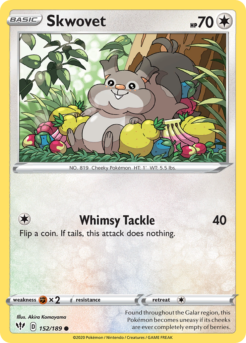
Darkness Ablaze
Found throughout the Galar region, this Pokémon becomes uneasy if its cheeks are ever completely empty of berries.
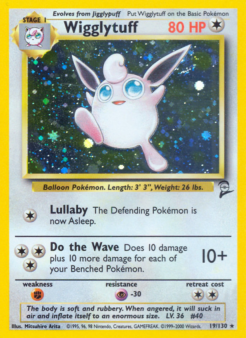
Base
The body is soft and rubbery. When angered, it will suck in air and inflate itself to an enormous size.
Related products
Sword & Shield
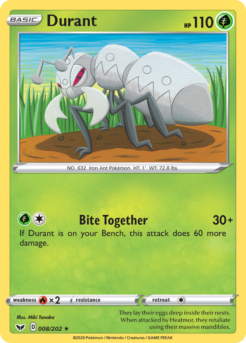
They lay their eggs deep inside their nests. When attacked by Heatmor, they retaliate using their massive mandibles.
Sword & Shield
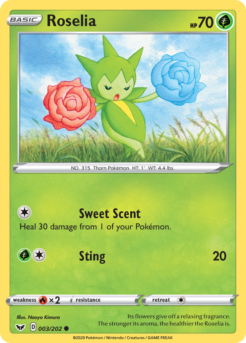
Its flowers give off a relaxing fragrance. The stronger its aroma, the healthier the Roselia is.
Sword & Shield
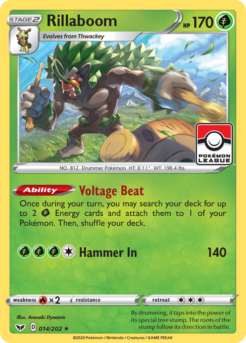
By drumming, it taps into the power of its special tree stump. The roots of the stump follow its direction in battle.
Sword & Shield
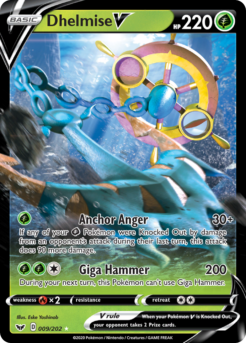
If any of your Grass Pokémon were Knocked Out by damage from an opponent’s attack during their last turn, this attack does 90 more damage.
Sword & Shield
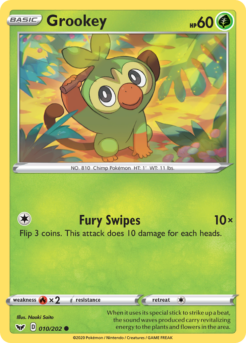
When it uses its special stick to strike up a beat, the sound waves produced carry revitalizing energy to the plants and flowers in the area.
Sword & Shield
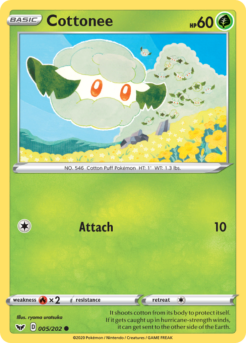
It shoots cotton from its body to protect itself. If it gets caught up in hurricane-strength winds, it can get sent to the other side of the Earth.
Sword & Shield
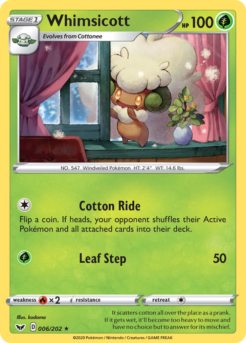
It scatters cotton all over the place as a prank. If it gets wet, it'll become too heavy to move and have no choice but to answer for its mischief.
Sword & Shield
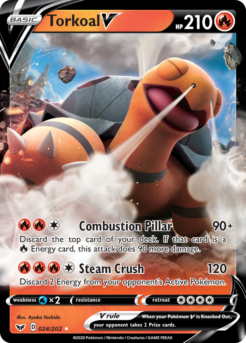
Discard the top card of your deck. If that card is a Fire Energy card, this attack does 90 more damage.