



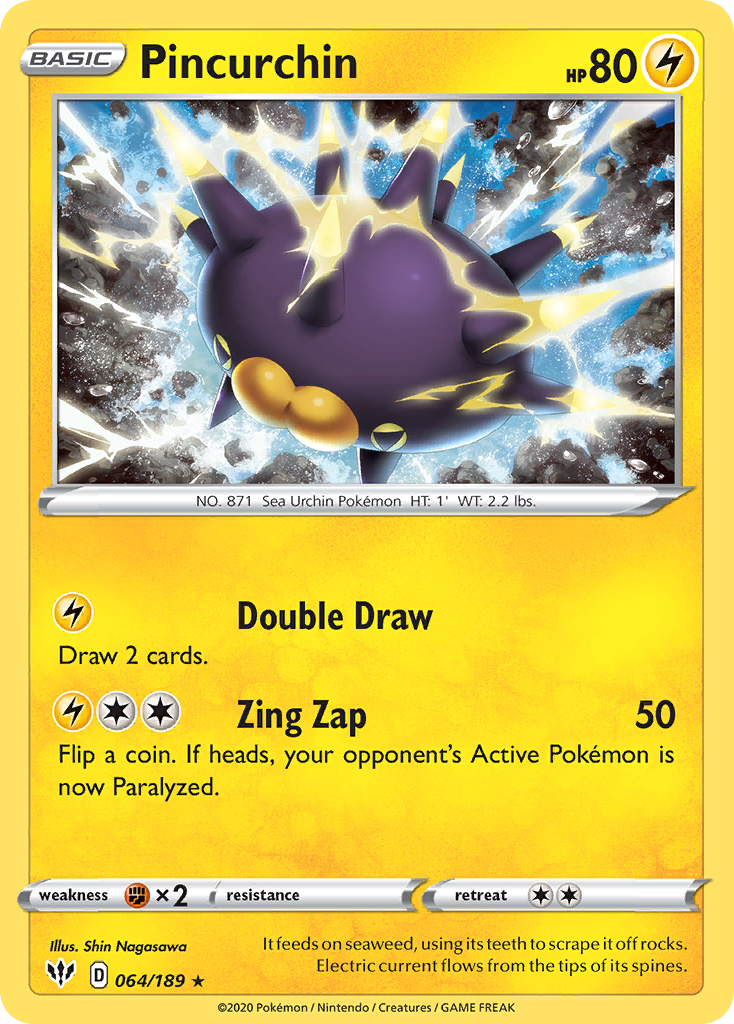
Pincurchin
It feeds on seaweed, using its teeth to scrape it off rocks. Electric current flows from the tips of its spines.
Draw 2 cards.
| Supertype | Pokémon |
|---|---|
| Subtype | Basic |
| HP | 80 |
| Types | Lightning |
| Attack | Double Draw |
| Attack cost | Lightning |
| Artist | Shin Nagasawa |
| Rarity | Rare Holo |
| Pokédex | 871 |
Vendor Information
- Store Name: DutchGem
- Vendor: DutchGem
-
Address:
gekkestraat
179
2345GT Utrecht
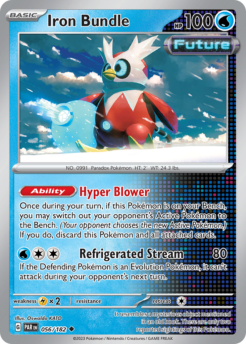
Paradox Rift
It resembles a mysterious object mentioned in an old book. There are only two reported sightings of this Pokémon.
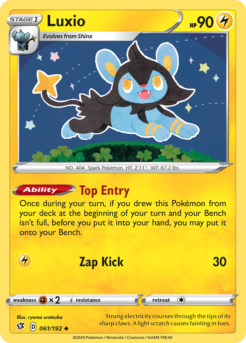
Rebel Clash
Strong electricity courses through the tips of its sharp claws. A light scratch causes fainting in foes.
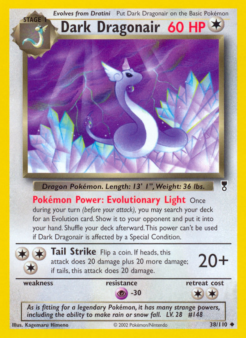
Base
As is fitting for a legendary Pokémon, it has many strange powers, including the ability to make rain or snow fall.
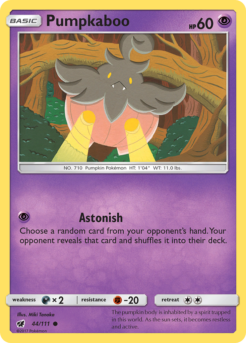
Crimson Invasion
The pumpkin body is inhabited by a spirit trapped in this world. As the sun sets, it becomes restless and active.
Silver Tempest
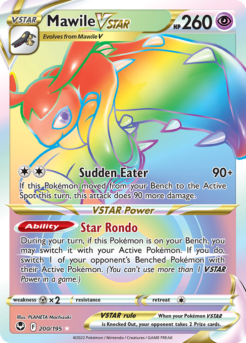
If this Pokémon moved from your Bench to the Active Spot this turn, this attack does 90 more damage.
Sword & Shield
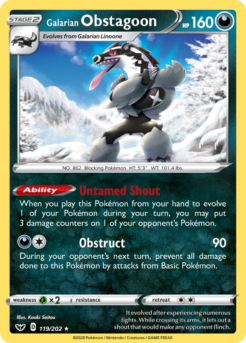
It evolved after experiencing numerous fights. While crossing its arms, it lets out a shout that would make any opponent flinch.
Related products
Sword & Shield
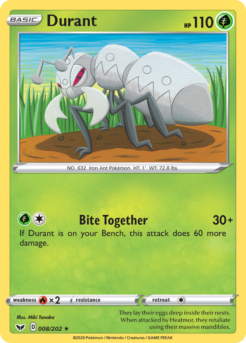
They lay their eggs deep inside their nests. When attacked by Heatmor, they retaliate using their massive mandibles.
Sword & Shield
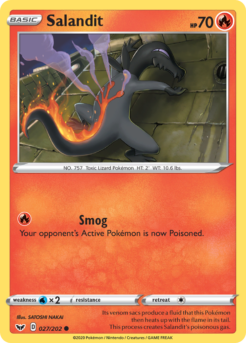
Its venom sacs produce a fluid that this Pokémon then heats up with the flame in its tail. This process creates Salandit's poisonous gas.
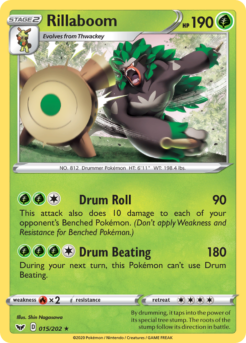
Sword & Shield
By drumming, it taps into the power of its special tree stump. The roots of the stump follow its direction in battle.
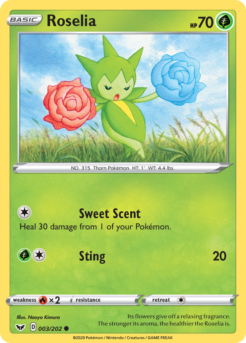
Sword & Shield
Its flowers give off a relaxing fragrance. The stronger its aroma, the healthier the Roselia is.

Sword & Shield
Attach up to 3 Fire Energy cards from your discard pile to your Pokémon in any way you like.
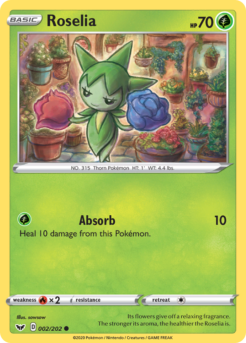
Sword & Shield
Its flowers give off a relaxing fragrance. The stronger its aroma, the healthier the Roselia is.
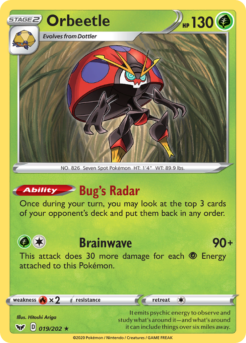
Sword & Shield
It emits psychic energy to observe and study what's around it—and what's around it can include things over six miles away.
Sword & Shield
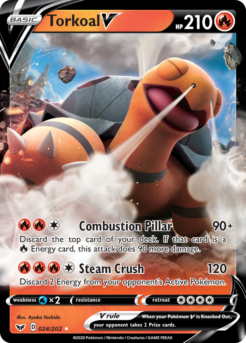
Discard the top card of your deck. If that card is a Fire Energy card, this attack does 90 more damage.