



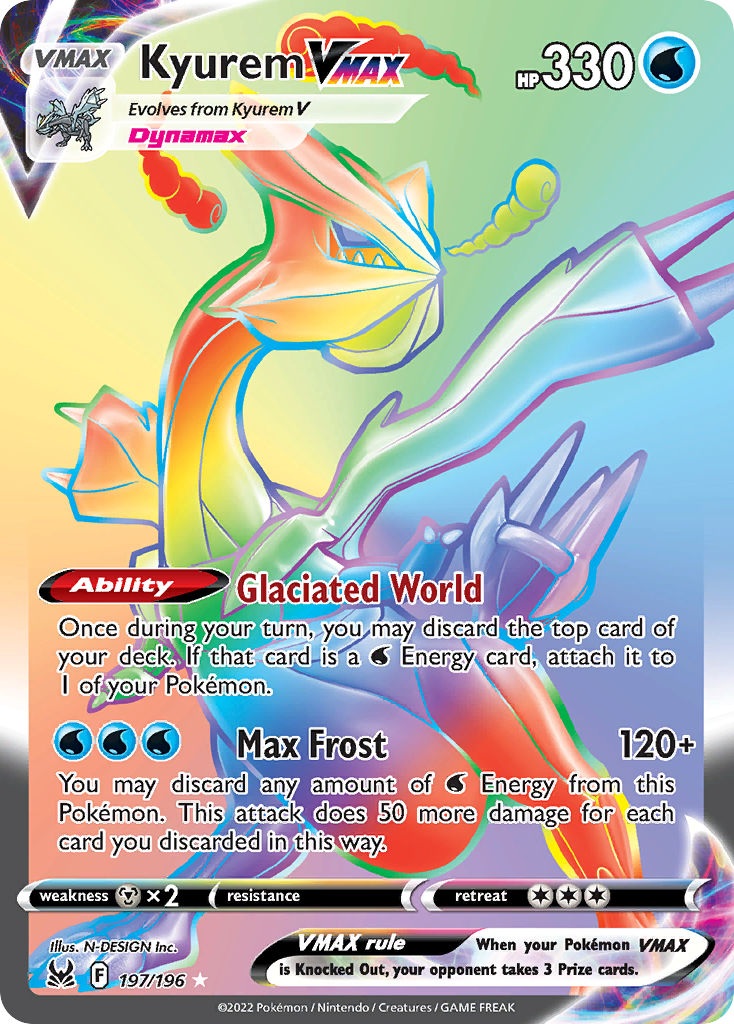


You may discard any amount of Water Energy from this Pokémon. This attack does 50 more damage for each card you discarded in this way.
| Supertype | Pokémon |
|---|---|
| Subtype | VMAX |
| HP | 330 |
| Types | Water |
| Attack | Max Frost |
| Attack cost | Water |
| Artist | N-DESIGN Inc. |
| Rarity | Rare Rainbow |
| Pokédex | 646 |
| Evolves from | Kyurem V |
Vendor Information
- Store Name: DutchGem
- Vendor: DutchGem
-
Address:
gekkestraat
179
2345GT Utrecht
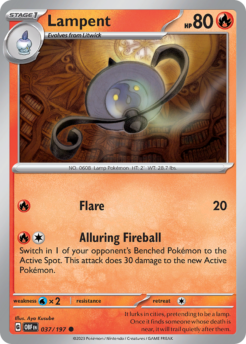
Obsidian Flames
It lurks in cities, pretending to be a lamp. Once it finds someone whose death is near, it will trail quietly after them.

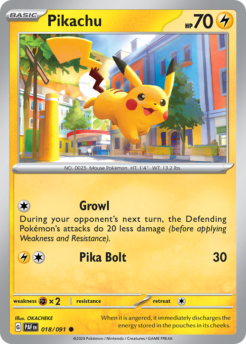
Paldean Fates
When it is angered, it immediately discharges the energy stored in the pouches in its cheeks.
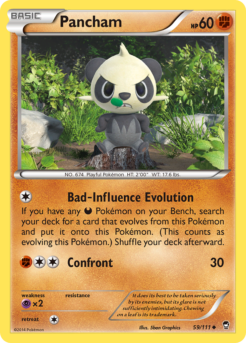
Furious Fists
It does its best to be taken seriously by its enemies, but its glare is not sufficiently intimidating. Chewing on a leaf is its trademark.
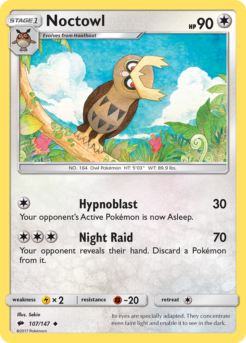
Burning Shadows
Its eyes are specially adapted. They concentrate even faint light and enable it to see in the dark.
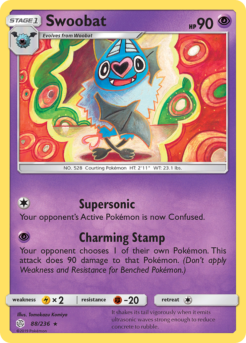
Cosmic Eclipse
It shakes its tail vigorously when it emits ultrasonic waves strong enough to reduce concrete to rubble.
Related products
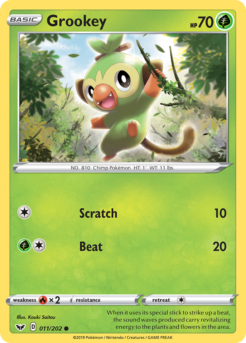
Sword & Shield
When it uses its special stick to strike up a beat, the sound waves produced carry revitalizing energy to the plants and flowers in the area.
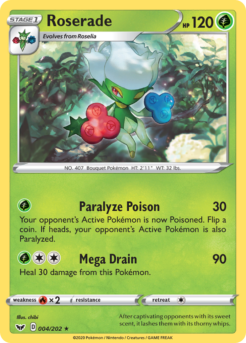
Sword & Shield
After captivating opponents with its sweet scent, it lashes them with its thorny whips.
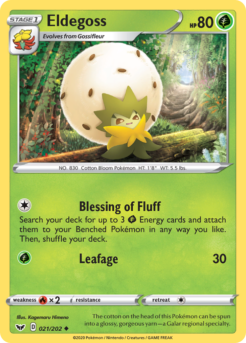
Sword & Shield
The cotton on the head of this Pokémon can be spun into a glossy, gorgeous yarn—a Galar regional specialty.
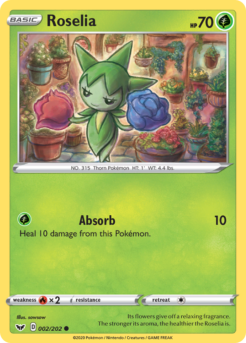
Sword & Shield
Its flowers give off a relaxing fragrance. The stronger its aroma, the healthier the Roselia is.
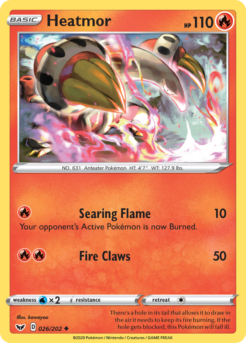
Sword & Shield
There's a hole in its tail that allows it to draw in the air it needs to keep its fire burning. If the hole gets blocked, this Pokémon will fall ill.
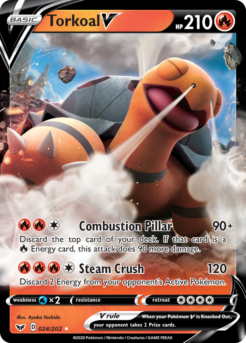
Sword & Shield
Discard the top card of your deck. If that card is a Fire Energy card, this attack does 90 more damage.
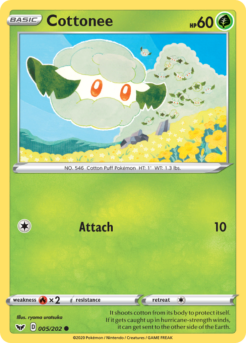
Sword & Shield
It shoots cotton from its body to protect itself. If it gets caught up in hurricane-strength winds, it can get sent to the other side of the Earth.
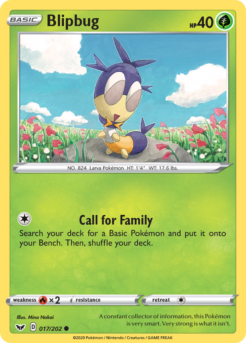
Sword & Shield
A constant collector of information, this Pokémon is very smart. Very strong is what it isn't.