



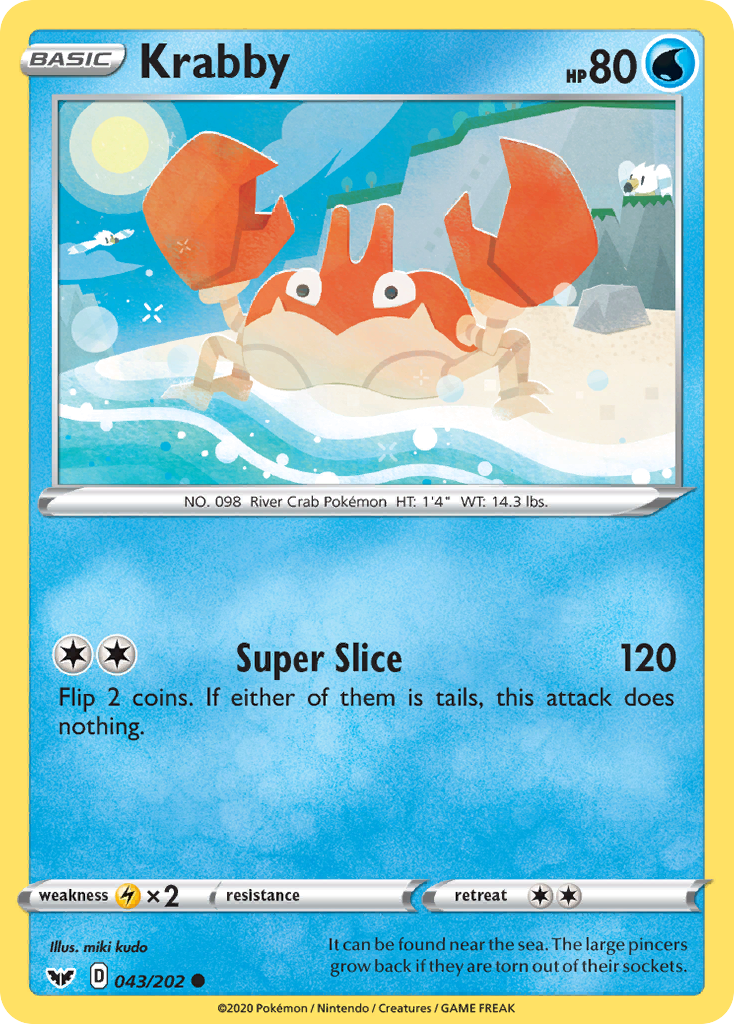
Krabby
It can be found near the sea. The large pincers grow back if they are torn out of their sockets.
Flip 2 coins. If either of them is tails, this attack does nothing.
| Supertype | Pokémon |
|---|---|
| Subtype | Basic |
| HP | 80 |
| Types | Water |
| Attack | Super Slice |
| Attack cost | Colorless |
| Artist | miki kudo |
| Rarity | Common |
| Pokédex | 98 |
| Evolves to | Kingler |
Vendor Information
- Store Name: DutchGem
- Vendor: DutchGem
-
Address:
gekkestraat
179
2345GT Utrecht
Cosmic Eclipse
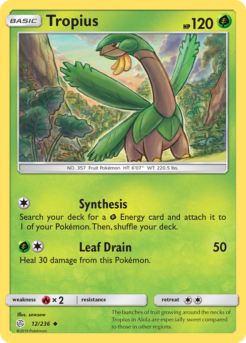
The bunches of fruit growing around the necks of Tropius in Alola are especially sweet compared to those in other regions.
BREAKthrough
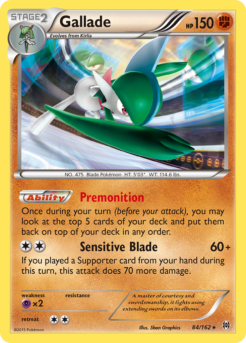
A master of courtesy and swordsmanship, it fights using extending swords on its elbows.
Sun & Moon
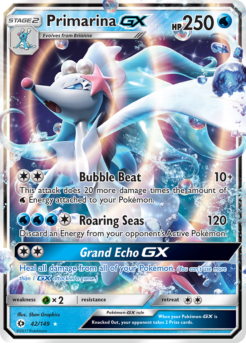
This attack does 20 more damage times the amount of Water Energy attached to your Pokémon.
Ancient Origins
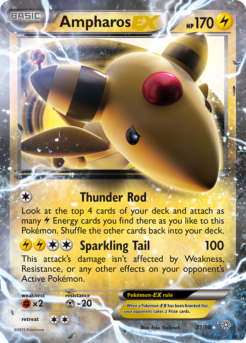
Look at the top 4 cards of your deck and attach as many Lightning Energy cards you find there as you like to this Pokémon. Shuffle the other cards back into your deck.
Base
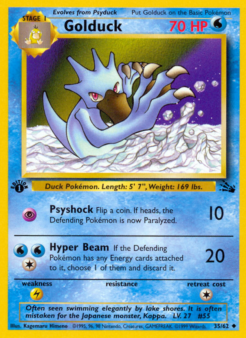
Often seen swimming elegantly by lake shores. It is often mistaken for the Japanese monster, Kappa.
Related products
Sword & Shield
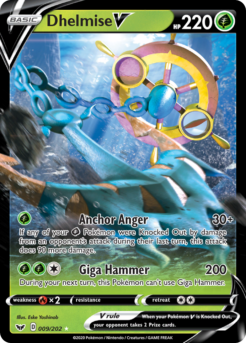
If any of your Grass Pokémon were Knocked Out by damage from an opponent’s attack during their last turn, this attack does 90 more damage.
Sword & Shield
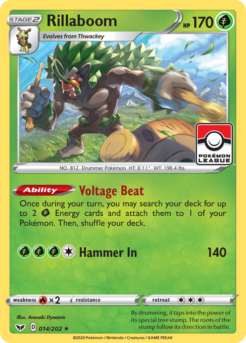
By drumming, it taps into the power of its special tree stump. The roots of the stump follow its direction in battle.
Sword & Shield
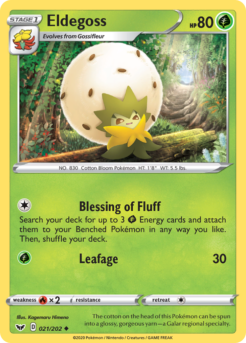
The cotton on the head of this Pokémon can be spun into a glossy, gorgeous yarn—a Galar regional specialty.
Sword & Shield
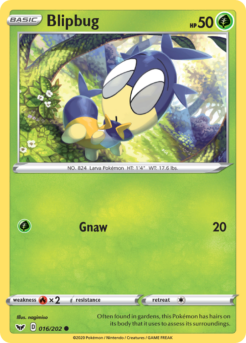
Often found in gardens, this Pokémon has hairs on its body that it uses to assess its surroundings.
Sword & Shield
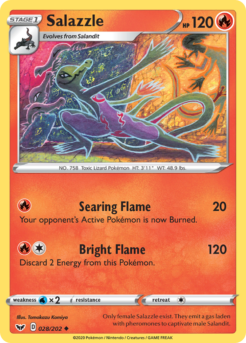
Only female Salazzle exist. They emit a gas laden with pheromones to captivate male Salandit.
Sword & Shield
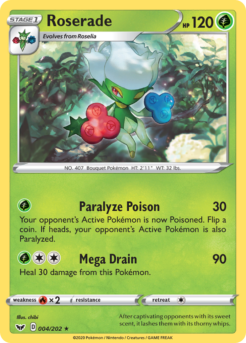
After captivating opponents with its sweet scent, it lashes them with its thorny whips.
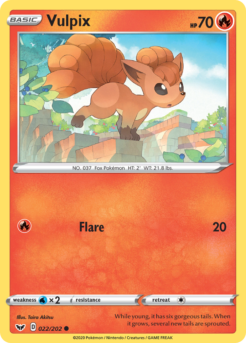
Sword & Shield
While young, it has six gorgeous tails. When it grows, several new tails are sprouted.
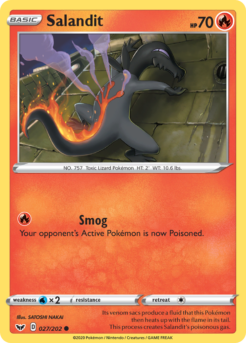
Sword & Shield
Its venom sacs produce a fluid that this Pokémon then heats up with the flame in its tail. This process creates Salandit's poisonous gas.