



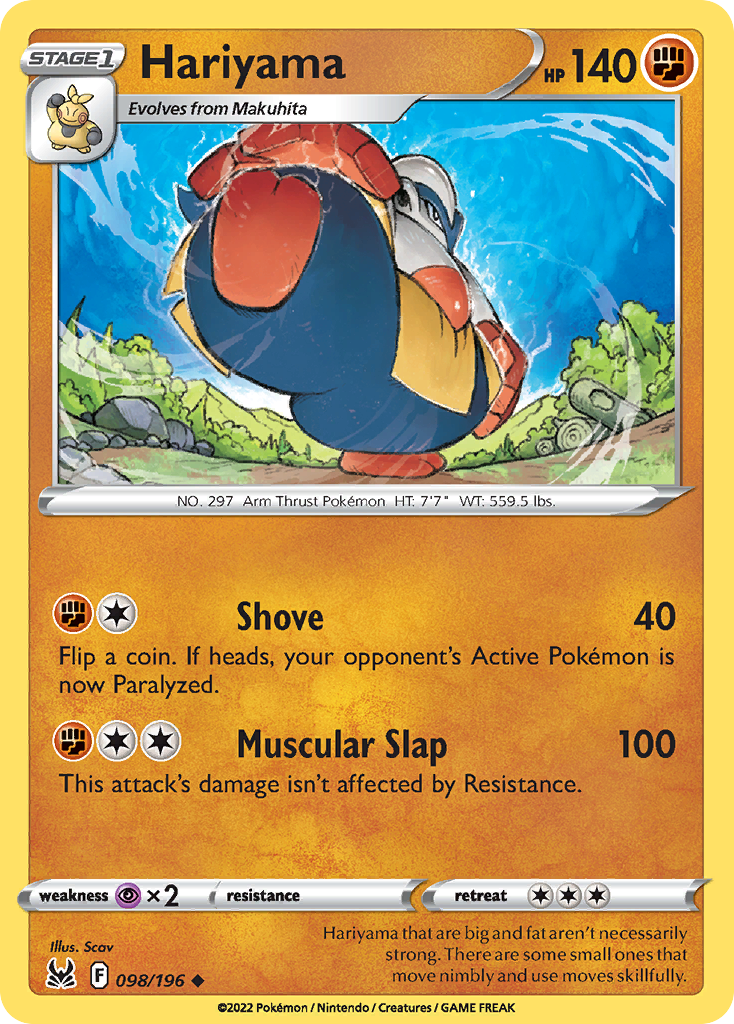
Hariyama
Hariyama that are big and fat aren’t necessarily strong. There are some small ones that move nimbly and use moves skillfully.
Flip a coin. If heads, your opponent’s Active Pokémon is now Paralyzed.
| Supertype | Pokémon |
|---|---|
| Subtype | Stage 1 |
| HP | 140 |
| Types | Fighting |
| Attack | Shove |
| Attack cost | Fighting |
| Artist | Scav |
| Rarity | Uncommon |
| Pokédex | 297 |
| Evolves from | Makuhita |
Vendor Information
- Store Name: DutchGem
- Vendor: DutchGem
-
Address:
gekkestraat
179
2345GT Utrecht
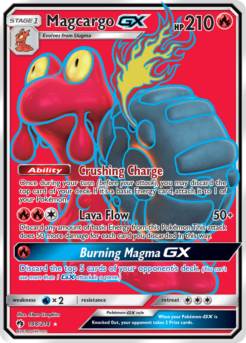
Lost Thunder
Discard any amount of basic Energy from this Pokémon. This attack does 50 more damage for each card you discarded in this way.
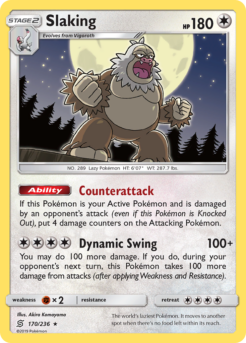
Sun & Moon
The world's laziest Pokémon. It moves to another spot when there's no food left within its reach.
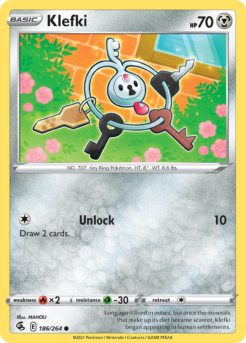
Fusion Strike
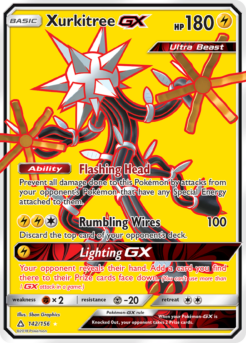
Long ago it lived in mines, but once the minerals that make up its diet became scarcer, Klefki began appearing in human settlements.
Base
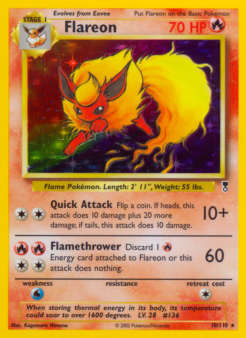
When storing thermal energy in its body, its temperature could soar to over 1600 degrees.
Related products
Sword & Shield
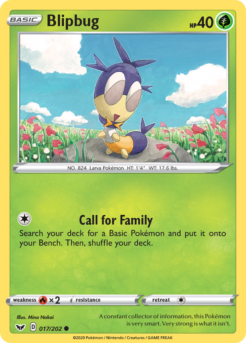
A constant collector of information, this Pokémon is very smart. Very strong is what it isn't.
Sword & Shield
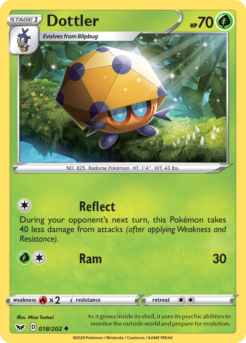
As it grows inside its shell, it uses its psychic abilities to monitor the outside world and prepare for evolution.
Sword & Shield
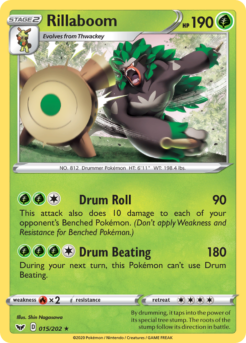
By drumming, it taps into the power of its special tree stump. The roots of the stump follow its direction in battle.
Sword & Shield
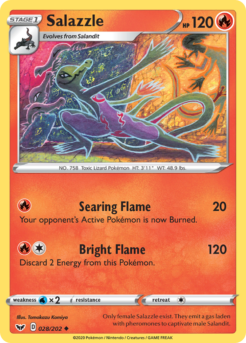
Only female Salazzle exist. They emit a gas laden with pheromones to captivate male Salandit.
Sword & Shield
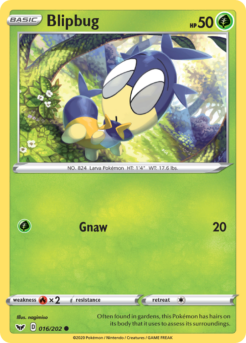
Often found in gardens, this Pokémon has hairs on its body that it uses to assess its surroundings.
Sword & Shield
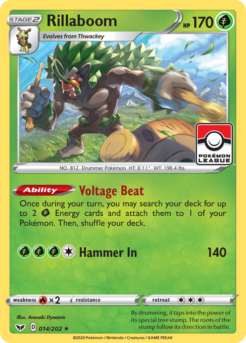
By drumming, it taps into the power of its special tree stump. The roots of the stump follow its direction in battle.
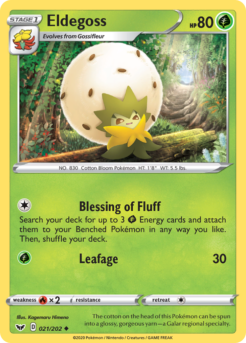
Sword & Shield
The cotton on the head of this Pokémon can be spun into a glossy, gorgeous yarn—a Galar regional specialty.
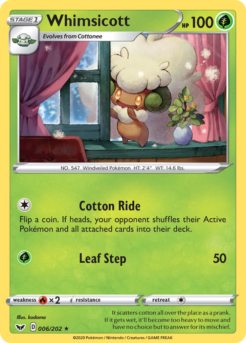
Sword & Shield
It scatters cotton all over the place as a prank. If it gets wet, it'll become too heavy to move and have no choice but to answer for its mischief.